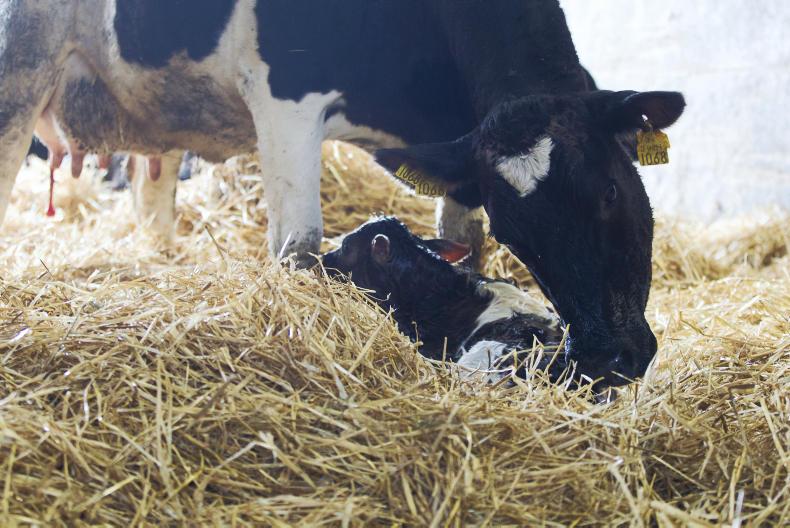
Aidan Brennan says farmers should make sure they have enough colustrum to hand once calving starts.
ADVERTISEMENT
1. Bed the calving area and calf sheds. This will mean one less job to do when cows start calving.
2. Collect milk cartons for storing colostrum. Colostrum is usually scarce in the first week of calving as it is mostly heifers that calve first. Collect colostrum in clean containers and store it in a fridge.
3. Split up cows into different groups depending on calving date. Have an area for calved cows and colostrum cows on cubicles too.
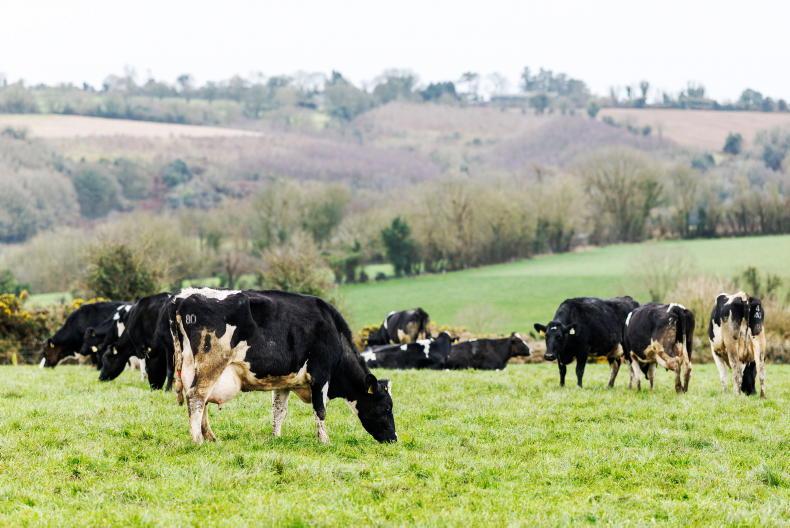
4. Check the electric fencer. While land is very wet now, in a few weeks’ time cows will be going out. Check wires around paddocks and make sure there’s a good shock in the fencer.
5. Turn on water to cow paddocks and check and repair leaks.
6. Turn off scrapers at night time in case a cow calves unexpectedly. Scrapers can injure a new-born calf.
7. Set up a calving camera and make sure it is working correctly.
8. Have a dedicated cupboard or table near the calving shed for storing tags, tagger, diary, naval spray and stomach tube.
9. Check teats on all calf feeders. Sometimes they can perish over the summer and leak. It’s a slow job changing teats so give yourself plenty of time to get it right.
10. If turning out calves to grass in March or April, maybe now is a good time to get that paddock set up. Letting calves out saves a huge amount of time and it can be healthier for calves too.
Also, remember to check all gates and penning in the calf shed and make sure they are functional and secure, and make sure each group pen has access to water.
This content is available to digital subscribers and loyalty code users only. Sign in to your account, use the code or subscribe to get unlimited access.
The reader loyalty code gives you full access to the site from when you enter it until the following Wednesday at 9pm. Find your unique code on the back page of Irish Country Living every week.
CODE ACCEPTED
You have full access to the site until next Wednesday at 9pm.
CODE NOT VALID
Please try again or contact support.
1. Bed the calving area and calf sheds. This will mean one less job to do when cows start calving.
2. Collect milk cartons for storing colostrum. Colostrum is usually scarce in the first week of calving as it is mostly heifers that calve first. Collect colostrum in clean containers and store it in a fridge.
3. Split up cows into different groups depending on calving date. Have an area for calved cows and colostrum cows on cubicles too.
4. Check the electric fencer. While land is very wet now, in a few weeks’ time cows will be going out. Check wires around paddocks and make sure there’s a good shock in the fencer.
5. Turn on water to cow paddocks and check and repair leaks.
6. Turn off scrapers at night time in case a cow calves unexpectedly. Scrapers can injure a new-born calf.
7. Set up a calving camera and make sure it is working correctly.
8. Have a dedicated cupboard or table near the calving shed for storing tags, tagger, diary, naval spray and stomach tube.
9. Check teats on all calf feeders. Sometimes they can perish over the summer and leak. It’s a slow job changing teats so give yourself plenty of time to get it right.
10. If turning out calves to grass in March or April, maybe now is a good time to get that paddock set up. Letting calves out saves a huge amount of time and it can be healthier for calves too.
Also, remember to check all gates and penning in the calf shed and make sure they are functional and secure, and make sure each group pen has access to water.
If you would like to speak to a member of our team, please call us on 01-4199525.
Link sent to your email address
We have sent an email to your address. Please click on the link in this email to reset your password. If you can't find it in your inbox, please check your spam folder. If you can't find the email, please call us on 01-4199525.
ENTER YOUR LOYALTY CODE:
The reader loyalty code gives you full access to the site from when you enter it until the following Wednesday at 9pm. Find your unique code on the back page of Irish Country Living every week.






SHARING OPTIONS