Concrete costs have risen astronomically in the last six years. Between January 2021 and January 2024, prices rose by an average of 46.6%.
While timber and steel rose in the same time period, they have since contracted in price, bar in recent months when a slight price increase has been witnessed.
Concrete and cement however, have continued to rise, with a variety of factors pushing the cost further out of the grasp of farmers.
What exactly has been the cause of all of this, with ready-mix concrete costs not broaching €150m³?
Cement, concrete and associated quarry works is a relatively large industry in Ireland, with the cement industry alone valued at over €460 million. Across the country, there are over 500 licensed quarries in operation, supporting over 6,000 jobs.
Of these, there are over 200 operating ready-mix concrete plants, 40 with asphalt plants with €200 million in export sales of pre cast concrete materials. In 2024, four million m3 of concrete was produced for sale, with 120 million concrete blocks manufactured.
It’s clear to see from these figures that concrete is big business in Ireland, and while many of the larger.
Who are the big players in the cement game?
As a whole, the cement industry is extremely consolidated. The industry is dominated by three main domestic manufacturers: Irish Cement, Mannok Cement, and Breedon Group. While the exact percentage of market share of each manufacturer is unknown, over 80% of all cement manufactured in the country is produced by the following companies.
Irish Cement: The largest manufacturer in the country, operating major plants in Platin, Co Meath, and Co Limerick. It is a subsidiary of the CRH Group and commands the largest single portion of the domestic market, estimated at roughly 50%.Mannok Cement: Headquartered in Derrylin, County Fermanagh, this operator holds an estimated 25% share of the Irish cement market.Breedon Group and Ecocem: The remaining market volume is primarily supplied by the UK-based Breedon Group (which operates extensive ready-mix and cement operations in Ireland) and Ecocem Ireland, a major player specialising in low-carbon, slag-based cementsIt can be argued that the current cement market is too consolidated, with the two top players accounting for approximately three quarters of all Irish cement manufactured.
While Portland cement manufacture is still the bread and butter of many cement manufacturing plants, the greater focus on carbon emissions from the production of cement is forcing more and more manufacturers to look at alternative, low-carbon options.
Production of cement is a carbon-heavy process, with approximately 900kg of CO² produced for every tonne of cement manufactured. Unsurprisingly, the EU has recognised this and have looked to curtail carbon emissions from manufacturing plants.
The EU Emissions Trading System (EU ETS) has now forced cement plants to surrender permits for every tonne of CO2 they emit. Historically, cement producers received free emission allocations to remain competitive with manufacturers outside of the EU. However, these free allowances are steadily phasing out, increasing domestic production costs.
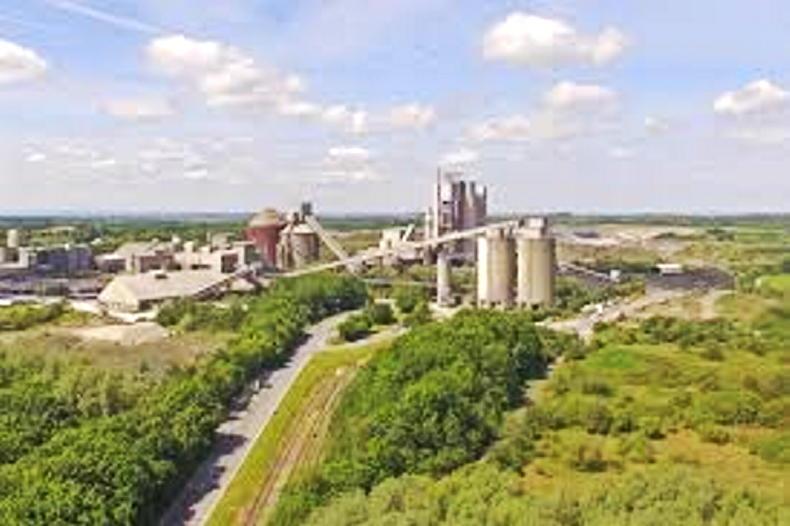
The Irish Cement factory in Co. Limerick. Irish Cement are estimated to produce 50% of all the Irish manufactured cement. \ Irish Cement
Carbon Border Adjustment Mechanism (CBAM) is mostly known to farmers due to fertiliser price hikes, but it also affects cement production. To prevent “carbon leakage” – where production shifts to countries with weaker environmental laws—the EU imposes a carbon levy on imported cement. Importers face charges of up to €70–€80 per tonne of embedded carbon, ensuring that outside products bear the same environmental cost as EU-made cement, with carbon tax in Ireland sitting at €71/tonne.
Exactly how much cost can be attributed to the carbon tax? Approximately 310kg of cement is needed for 37N concrete, with 350kg required for 42N, generally associated with silage bases and any concrete tanks that come in to contact with silage effluent. Based off a figure of €71/tonne, 37N concrete can attribute €22/m2 of costs to carbon taxes on the cement alone, with €24.85/m² being attributed for 42N concrete.
These figures do not include the additional cost for quarries from carbon tax, with electricity and fuel costs having a further influence on the overall price of a m2 of concrete. Carbon tax was first introduced in 2010 at a rate of €15/tonne, with aims to bring the tax to €100/tonne by 2030, which will increase costs further.
The defective concrete products levy (DCPL) and VAT also come in to the fold here. The DCPL puts a cost of 5% extra across both poured concrete and pre cast concrete products (including blocks), while two different VAT rates apply for concrete.
Poured concrete receives a VAT rate of 13.5%, but any poured concrete product (slats, feed bunkers etc) have a VAT rate of 23%. However, while there is nothing that can be done for the DCPL, farmers (both registered and unregistered) can reclaim the VAT on purchases of concrete and concrete products for farm infrastructure.
As such, the cost of VAT to the system is negated, but there is the upfront cost to farmers purchasing concrete and awaiting the VAT rebatement.
Where to next with costs?
The Irish Farmers Journal has been contacted in recent weeks by quarry and ready mix plant owners regarding ongoing price increases of bulk cement. We viewed letters that were sent to buyers of Irish Cement were contacted in writing in October 2025 advising of a cost increase of €14.95/tonne for normal cement, with a cost increase of €16.40/tonne for rapid hardening cement.
The EU-ETS was lauded as the cause for this price increase, with the phasing out of Carbon allowances beginning in 2026.
In March of this year, Irish Cement sent out a second letter to buyers, informing of a further price increase of €12.50/tonne on bulk cement orders, citing ‘substantial volatility’ and ‘significant upward inflationary pressure’.
‘’In particular, we are experiencing significant cost increases on electricity, diesel and imported materials. Unfortunately, Irish Cement cannot absorb this inflationary pressure’’
It is understood that other cement manufacturers have written similar letter to their customers.
As it stands, the phased elimination of carbon allowances for cement manufacture and the increasing cost of carbon tax look set to further increase the cost of concrete going forward.
Even where alternatives to clinker (an intermediary product in the manufacture of Portland cement which is attributed to much of the carbon emissions of cement manufacture) can be found, what will the cost of these be?
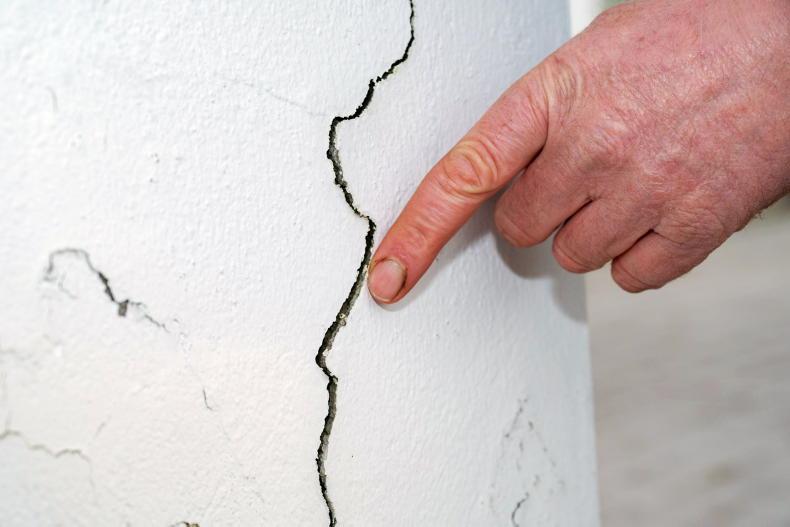
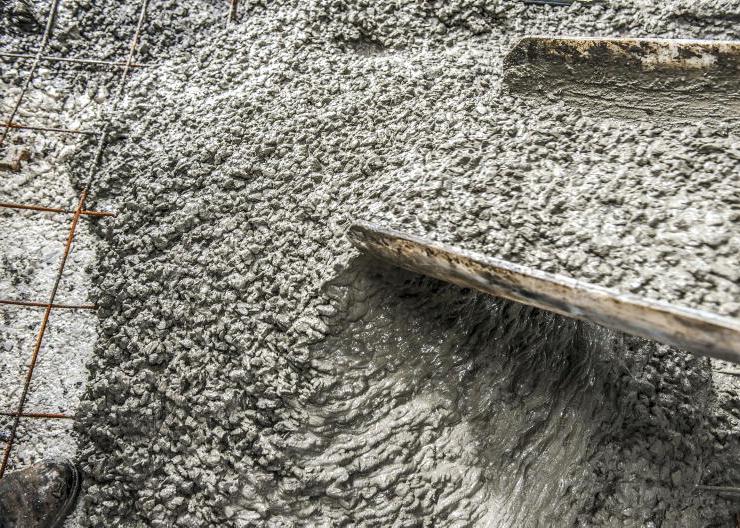
The DCPL has added an additional 5% to the cost of ready mix concrete and concrete products. \ Clive Wasson
Concrete costs have risen astronomically in the last six years. Between January 2021 and January 2024, prices rose by an average of 46.6%.
While timber and steel rose in the same time period, they have since contracted in price, bar in recent months when a slight price increase has been witnessed.
Concrete and cement however, have continued to rise, with a variety of factors pushing the cost further out of the grasp of farmers.
What exactly has been the cause of all of this, with ready-mix concrete costs not broaching €150m³?
Cement, concrete and associated quarry works is a relatively large industry in Ireland, with the cement industry alone valued at over €460 million. Across the country, there are over 500 licensed quarries in operation, supporting over 6,000 jobs.
Of these, there are over 200 operating ready-mix concrete plants, 40 with asphalt plants with €200 million in export sales of pre cast concrete materials. In 2024, four million m3 of concrete was produced for sale, with 120 million concrete blocks manufactured.
It’s clear to see from these figures that concrete is big business in Ireland, and while many of the larger.
Who are the big players in the cement game?
As a whole, the cement industry is extremely consolidated. The industry is dominated by three main domestic manufacturers: Irish Cement, Mannok Cement, and Breedon Group. While the exact percentage of market share of each manufacturer is unknown, over 80% of all cement manufactured in the country is produced by the following companies.
Irish Cement: The largest manufacturer in the country, operating major plants in Platin, Co Meath, and Co Limerick. It is a subsidiary of the CRH Group and commands the largest single portion of the domestic market, estimated at roughly 50%.Mannok Cement: Headquartered in Derrylin, County Fermanagh, this operator holds an estimated 25% share of the Irish cement market.Breedon Group and Ecocem: The remaining market volume is primarily supplied by the UK-based Breedon Group (which operates extensive ready-mix and cement operations in Ireland) and Ecocem Ireland, a major player specialising in low-carbon, slag-based cementsIt can be argued that the current cement market is too consolidated, with the two top players accounting for approximately three quarters of all Irish cement manufactured.
While Portland cement manufacture is still the bread and butter of many cement manufacturing plants, the greater focus on carbon emissions from the production of cement is forcing more and more manufacturers to look at alternative, low-carbon options.
Production of cement is a carbon-heavy process, with approximately 900kg of CO² produced for every tonne of cement manufactured. Unsurprisingly, the EU has recognised this and have looked to curtail carbon emissions from manufacturing plants.
The EU Emissions Trading System (EU ETS) has now forced cement plants to surrender permits for every tonne of CO2 they emit. Historically, cement producers received free emission allocations to remain competitive with manufacturers outside of the EU. However, these free allowances are steadily phasing out, increasing domestic production costs.

The Irish Cement factory in Co. Limerick. Irish Cement are estimated to produce 50% of all the Irish manufactured cement. \ Irish Cement
Carbon Border Adjustment Mechanism (CBAM) is mostly known to farmers due to fertiliser price hikes, but it also affects cement production. To prevent “carbon leakage” – where production shifts to countries with weaker environmental laws—the EU imposes a carbon levy on imported cement. Importers face charges of up to €70–€80 per tonne of embedded carbon, ensuring that outside products bear the same environmental cost as EU-made cement, with carbon tax in Ireland sitting at €71/tonne.
Exactly how much cost can be attributed to the carbon tax? Approximately 310kg of cement is needed for 37N concrete, with 350kg required for 42N, generally associated with silage bases and any concrete tanks that come in to contact with silage effluent. Based off a figure of €71/tonne, 37N concrete can attribute €22/m2 of costs to carbon taxes on the cement alone, with €24.85/m² being attributed for 42N concrete.
These figures do not include the additional cost for quarries from carbon tax, with electricity and fuel costs having a further influence on the overall price of a m2 of concrete. Carbon tax was first introduced in 2010 at a rate of €15/tonne, with aims to bring the tax to €100/tonne by 2030, which will increase costs further.
The defective concrete products levy (DCPL) and VAT also come in to the fold here. The DCPL puts a cost of 5% extra across both poured concrete and pre cast concrete products (including blocks), while two different VAT rates apply for concrete.
Poured concrete receives a VAT rate of 13.5%, but any poured concrete product (slats, feed bunkers etc) have a VAT rate of 23%. However, while there is nothing that can be done for the DCPL, farmers (both registered and unregistered) can reclaim the VAT on purchases of concrete and concrete products for farm infrastructure.
As such, the cost of VAT to the system is negated, but there is the upfront cost to farmers purchasing concrete and awaiting the VAT rebatement.
Where to next with costs?
The Irish Farmers Journal has been contacted in recent weeks by quarry and ready mix plant owners regarding ongoing price increases of bulk cement. We viewed letters that were sent to buyers of Irish Cement were contacted in writing in October 2025 advising of a cost increase of €14.95/tonne for normal cement, with a cost increase of €16.40/tonne for rapid hardening cement.
The EU-ETS was lauded as the cause for this price increase, with the phasing out of Carbon allowances beginning in 2026.
In March of this year, Irish Cement sent out a second letter to buyers, informing of a further price increase of €12.50/tonne on bulk cement orders, citing ‘substantial volatility’ and ‘significant upward inflationary pressure’.
‘’In particular, we are experiencing significant cost increases on electricity, diesel and imported materials. Unfortunately, Irish Cement cannot absorb this inflationary pressure’’
It is understood that other cement manufacturers have written similar letter to their customers.
As it stands, the phased elimination of carbon allowances for cement manufacture and the increasing cost of carbon tax look set to further increase the cost of concrete going forward.
Even where alternatives to clinker (an intermediary product in the manufacture of Portland cement which is attributed to much of the carbon emissions of cement manufacture) can be found, what will the cost of these be?

The DCPL has added an additional 5% to the cost of ready mix concrete and concrete products. \ Clive Wasson
SHARING OPTIONS