



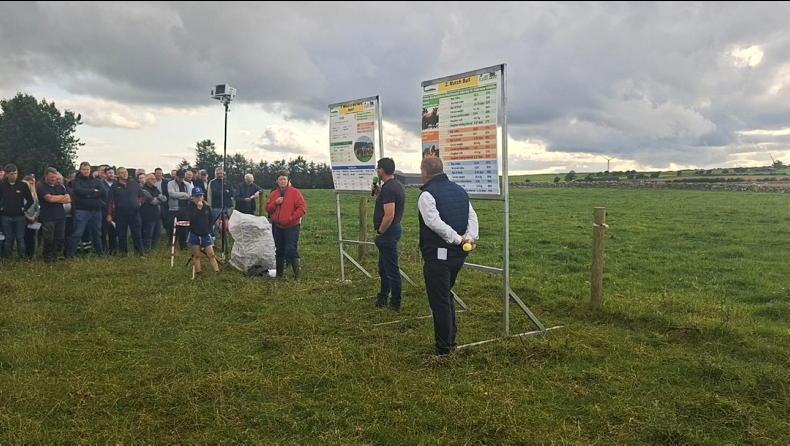
On Wednesday, Roscommon farmer Olivia Hynes opened the gates of her farm in Kilcash, Co Roscommon, to host a Future Beef farm walk.
Olivia was a finalist in the Teagasc/FBD Environmental Sustainability Awards in 2025.
Opening the night was Olivia's local Teagasc adviser Brian Daly from Roscommon, who gave a rundown of the farm and an insight into how Olivia operates her systems.
The farm consists of 170 acres (70ha) split across two blocks located 18km apart, running a mixed suckler and sheep enterprise. The farm is all in permanent grassland and mostly owned land, with just 14 acres (5.5ha) rented.
Olivia is running 50 suckler cows alongside 230 ewes. The cows are mostly continental-cross cows made up of Limousin and Simmental genetics.
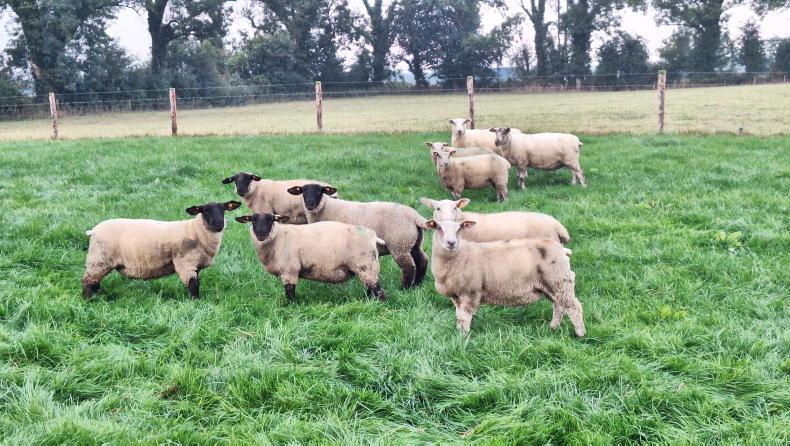
The sheep flock consists of 230 ewes lambing down in February, with all lambs finished through Kepak.
Financial performance
The farm delivered a gross margin of €1,019/ha in 2025 and when fixed costs of €390/ha were deducted, this resulted in a net margin of €629/ha. This excluded premia, with beef and sheep premia totaling €222/ha.
This improved farm performance in 2025 is driven by two main factors – the rise in weanling price achieved and an increase in weanling weights resulting in increased output.
The biggest variable costs on farm in 2025 were fertiliser, contractor charges and purchased concentrates and minerals, totalling a combined €531/ha and equating to 62% of the farm's variable costs in 2025.
Over the coming years, Olivia has plans to increase farm output while also trying to reduce operating costs.
The main plans are to try to increase farm performance by increasing the number of lambs reared per ewe to 1.7 through the introduction of Belclare breeding and also reducing the number of bought-in replacement heifers.
Olivia operated a closed farm, with the exception of purchasing breeding bulls and rams. However, in 2023 a sub-fertile bull resulted in a poor breeding season, which is still having a knock-on effect on farm performance.
“I lost some great breeding cows in 2023 as a result of the bull not working and as a result had to fork out and purchase in replacements. Since then, I have gone 100% AI and have tried hard to select replacements from my best cows and thankfully we're now back on track, with 15 heifers kept for replacements this year,” said Olivia.
By getting back to breeding her own replacements and not planning on purchasing replacements in the coming years, Olivia's farm performance is expected to improve future performance.
The sucklers
Olivia does something a little different to most farms in that she lambs the ewes first and when they're done faces into calving her 50 suckler cows.
Cows are calved from March onwards, with the ewes lambs in February, with Olivia's system of selling weanlings in Roscommon Mart.
There is a strong continental focus on the farm, with Limousin and Simmental genetics making up the bulk of the cows, with cows then crossed back to Charolais and Limousin AI bulls.
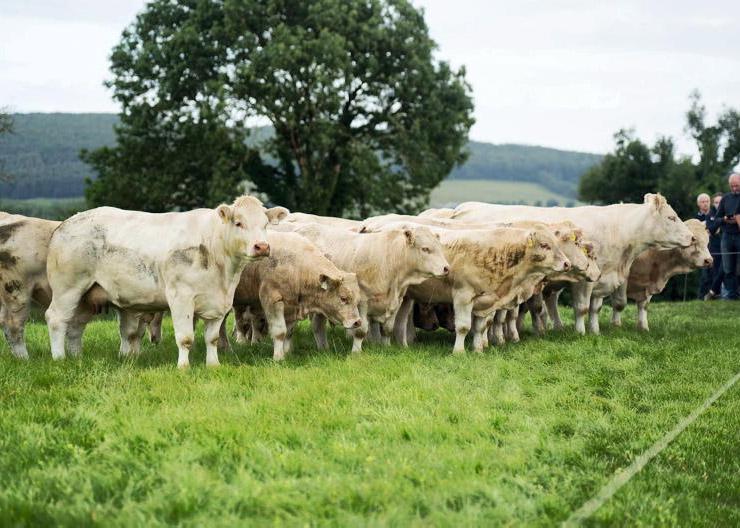
“The customers like the golden Charolais in Roscommon and they cross well back on my type of cows with a lot of red in them. I've improved my breeding decisions the last few years to try to get an easy-calved weanling that will grow into the 350kg to 400kg again I sell them,” said Olivia.
“In 2024 when I first started going 100% AI, I selected bulls that were slightly on the harder calved side and as a result ended up with six C-sections. This was expensive and had a knock-on effect on them cows going back in-calf,” commented Olivia.
“Since then, I got to understand the figures and breeding a little more. I now look for an easy calving bull, but also a bull that has good carcase weight and carcase conformation figures when breeding a terminal animal.
"It's about getting balance right between calving and performance. On the replacements, I breed from my best cows that are quiet and try to select bulls that will keep milk in the cow lines.
"I have a tendency to select for Simmental, as I like what it's doing on my farm.
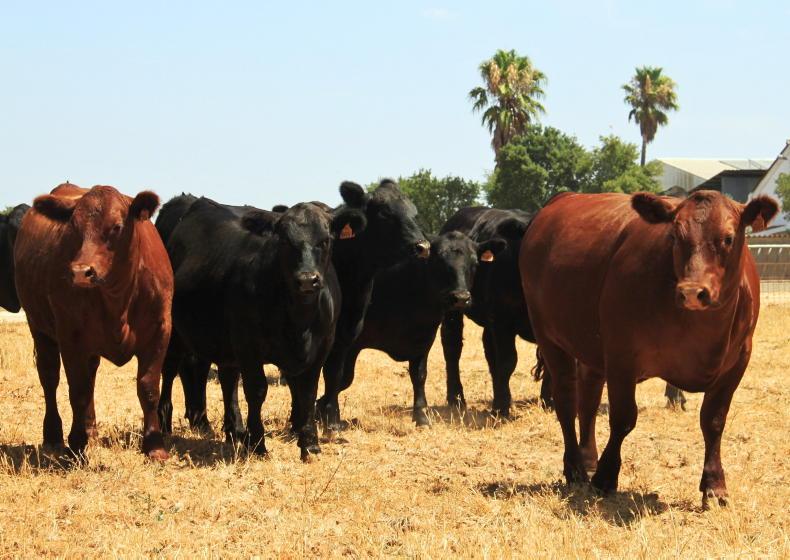
"Last year, we tried something different and served the replacement heifers to a red Angus – we always went with Limousin, but just felt some of the heifers were on the muscly side, so opted to try the red Angus and it has worked very well.”
Cow size
Olivia's cow size has remained constant the last number of years, with cows typically weighing from 660kg to 680kg on average.
In 2025, her bull calves recorded a weight gain on average of 1.21kg/day, with the heifer calves not far behind at 1.20kg/day.
For 2025, Olivia's bull weanlings recorded an average selling weight of 361kg, with heifers selling at an average weight of 359kg.
Donal Fahy discussed with Olivia the decisions around selecting heifers and how she can get them calved down at 24 months of age.
“Heifers all calve down at 24 months. This year, we synced our replacement heifer and it seems to have worked well.
"I don’t breed a heifer if they are not heavy enough at breeding, as they will always remain small. This year, we had two heifers that didn’t make the weight and I opted to just cull them instead of breeding.
"They will receive some meal over the first winter, but after that it's good grass and management to keep them in good condition. They do take extra work, but I’m getting a calf a year earlier from them,” said Olivia.
Roscommon Mart manager Tony Conry outlined to the crowd that these are the type of weanling selling the best.
“We have both farmer and exporters buying weanlings from 330kg to 420kg and these types of weanlings – especially the bull weanlings – are achieving the highest price per kilo.
"The export trade is strong at the moment for bull weanlings, especially red Limousin bulls, with, in many cases, bulls weighing from 330kg to 420kg selling from €5/kg upward, with top lots crossing €6/kg regularly."
The sheep operation
Alongside her 50 cows, Olivia lambs down 230 breeding ewes each year, while also keeping 70 ewe lambs as replacements that lamb down as hoggets.
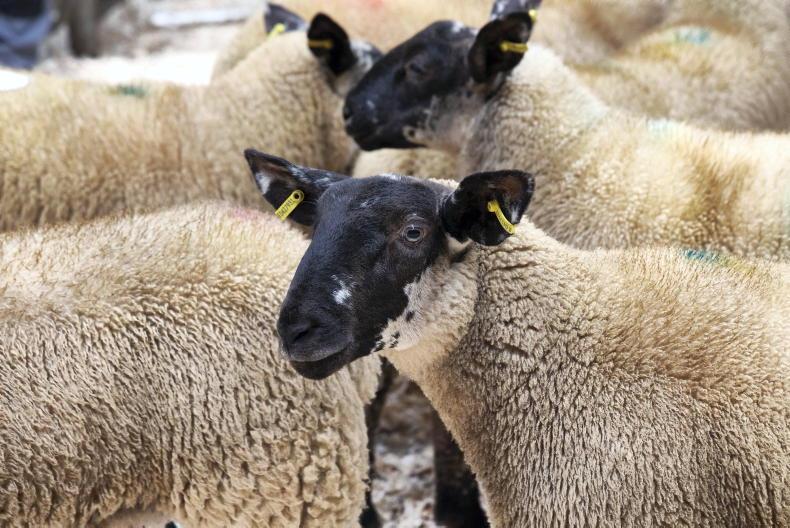
The sheep system remains fully closed, with the exception of purchased rams. Ewe type mainly consists of Suffolk, Texel, Charollais and, in recent years, Belclare genetics.
Olivia aims to finish all lambs on farm through Kepak Athleague, with some stores sold, depending on the year.
Lambing takes place in February before the cows start to calf, as Olivia outlined.
“I'm busy in spring and when the ewes come home, they spend a couple of weeks around the home block for lambs, but once they lamb, we try and let them out to grass on the out-farm. This leaves us under pressure to have covers built up over the winter months for grazing in early February.”
When looking at the farm finances, splitting both the cattle and sheep out separately, it shows that while the cattle performed well in 2025 on the back of a strong beef price year, the sheep enterprise actually outperformed the cattle in 2024, delivering €50/ha more of a net margin.
This highlights the importance of the mixed enterprises on farm and how they work well together.
Michael Conry from Teagasc Roscommon took farmers through selecting ewes for the upcoming breeding season. The main culling reason on Olivia's farm will be very similar across all sheep farms with teeth, feet and udders the big three, with ewes that gave reproduction issues at lambing also getting culled.
Farmers need to now be selecting out their ewes for breeding and have their replacements to keep also selected to give time for ewes to be in good condition at mating.
“A ewe going to the ram in a poor body condition score will lamb down thin also – this adds to the problems coming lambing time,” said Michael.


SHARING OPTIONS