



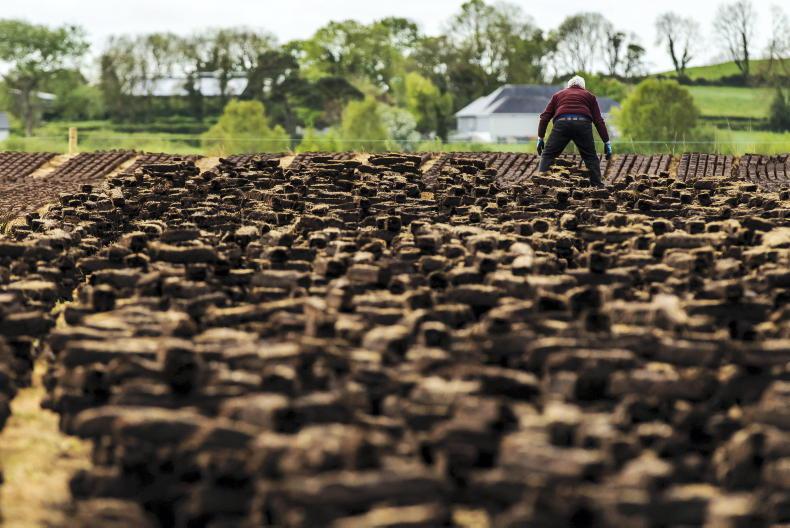
The Environmental Protection Agency (EPA) has called for a “decisive shift” away from the solid fuels for home heating and the quicker adoption of electric vehicles to improve air quality.
The call came after the agency’s publication of the Air Quality in Ireland 2024 report, which found that Ireland’s air quality was “generally good and was compliant with 2024 air quality standards”.
The report signalled that more stringent EU standards will enter into force in 2030 which Ireland is “projected to fall short of”.
The primary sources of air pollution in Ireland are the burning of solid fuels and traffic emissions, according to the EPA.
It also cited the European Environment Agency’s estimate that poor air quality is responsible for around 1,700 premature deaths in the country each year through its links with cardiovascular and respiratory diseases, dementia, type 2 diabetes and neonatal mortality.
The stricter air quality standards coming down the tracks form part of an EU directive that seeks to cut premature deaths from air pollution by 55% by 2030.
“Achieving these goals will require a decisive shift away from solid fuel burning, alongside the adoption of electric vehicles, efforts to reduce traffic and encouraging the use of public transport,” said the EPA’s environmental monitoring and surveillance manager Roni Hawe.
The agency warned that Ireland faces “significant challenges in meeting these targets” as compliance levels of just 93% are anticipated for fine particulates (PM2.5) and 78% for nitrogen dioxide (NO2).
“Many of us have grown up with the comfort of an open fire and limited alternatives to travelling by car – but these familiar habits contribute to poor air quality,” stated the EPA’s office of radiation protection and environmental monitoring director Pat Byrne.
“Supporting people to shift towards cleaner heating and more sustainable travel isn’t about giving something up – it’s about gaining healthier air and healthier lives.”
The EPA’s www.airquality.ie website provides hourly-updated information on air quality, as well as three-day air quality forecasts intended to allow members of the public to make choices to protect their health during periods of poor air quality.





SHARING OPTIONS