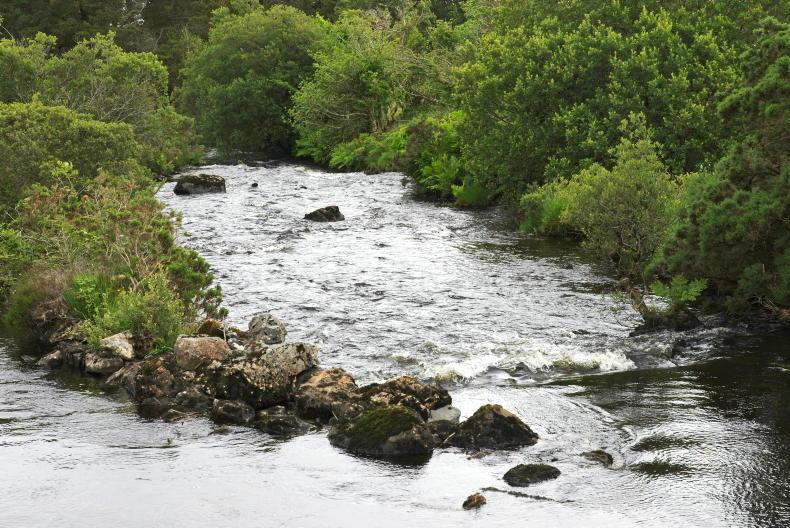
Over 80% of respondents to a DAERA public consultation agree with proposals to increase the maximum penalty for those convicted of causing water pollution from £20,000 to £50,000.
The consultation on proposals relating to protection of water within a new Fisheries and Water Environment Bill closed to responses in November 2025.
A summary published by DAERA shows that 63 organisations and individuals responded to the consultation, with 81.4% agreeing that current penalties for water pollution are “far too low to deter major offenders”.
Among the remainder, views were split between those who want higher fines and others who believe the increase is excessive.
There was also overwhelming support (over 90%) for unlimited fines for those convicted of serious pollution offences at a Crown Court, with fines potentially linked to turnover within a business and the offender’s capacity to pay.
Fixed notice
As well as increasing maximum penalties, the 2025 consultation also suggested the new Bill should include powers to make regulations at a later date which introduce fixed penalty notices and variable monetary fines for “minor to moderate” breaches of water regulations.
If that system was introduced, it would mean polluters could be fined without the lengthy process of going to court.
A high proportion of respondents to the consultation expressed strong support for a flexible enforcement system, including fixed penalty notices.
However, some respondents argued that the main issue is not the lack of penalties, but actually a failure by DAERA and the NI Environment Agency (NIEA) to effectively apply existing powers.
Concerns were also raised about the risk of double penalties for farmers, given that a non-compliance with Farm Sustainability Standards can also lead to a cut to direct payments.
Assembly
Last month Agriculture Minister Andrew Muir indicated he intended bringing forward the Fisheries and Water Environment Bill to the Assembly in May 2026.