




It is in everyone’s interests, including the department, that an independent review of what happened in and around the cull of cattle outside Fivemiletown is published as quickly as is reasonably possible.
What eventually unfolded was a public relations disaster for DAERA, while further deepening the divide between the department and farmers.
When the full facts are known, only then will it be possible to properly assess the decisions taken and what reasonable alternatives might have existed. However, even if the alternatives were limited, it is difficult to understand why DAERA officers continued with the cull when it was clear they were losing control of the situation.
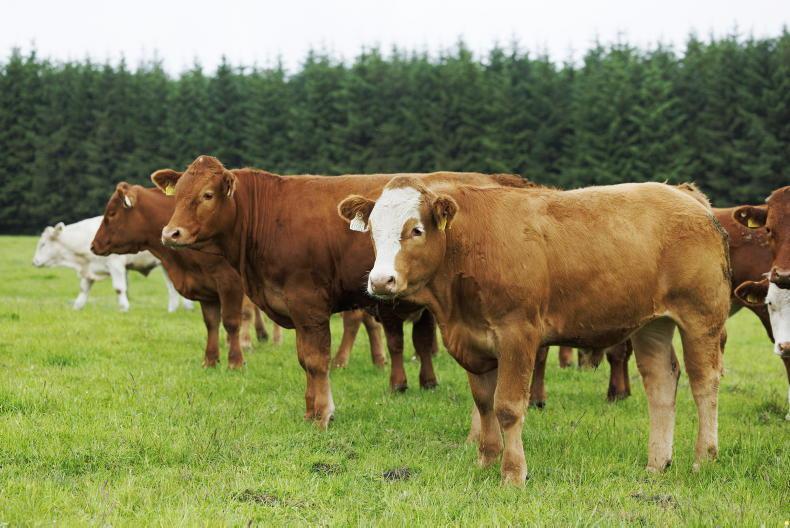
There also seems to have been a lack of planning around what facilities might have been needed and how the animals might respond – anyone who has ever worked with beef cattle will know that they can be very unpredictable in a stressful situation.
At the end of this process a better way has to be found in the rare event that a court bans a livestock keeper from owning cattle – even if that means rounding the animals up and taking them to an unknown location to be destroyed. A similar situation can’t occur again where cattle are shot in fields in full view of the general public.
At the same time, we also have to recognise there are a very small number of farmers who shouldn’t be keeping any livestock. Often something has gone badly wrong behind the scenes, leaving people unable to cope with the daily pressures of running the business.
It is not during summer months when these issues are evident, but in the winter when cattle need to be cared for on a daily basis. Allied to that are often failures to keep on top of traceability, TB testing, removing fallen animals and general veterinary care. These can be incredibly complex situations for the department to deal with.
But there is also a need for a wider review into how DAERA vets communicate with livestock farmers – too often the department move straight to warning letters and threats of enforcement, rather than reminders and advice. It does little to foster good relationships between the department and farmers.



SHARING OPTIONS