



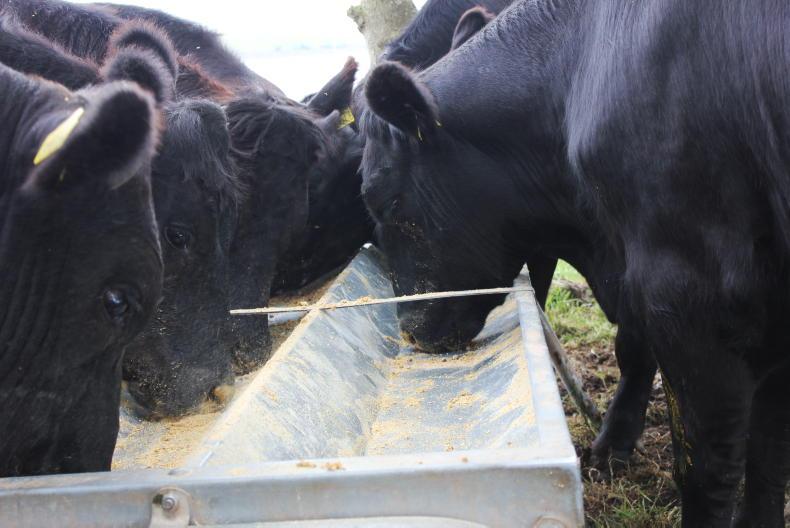
Prime NI cattle slaughtered at under 30 months from January onwards are eligible for the new Beef Carbon Reduction Scheme (BCRS).
The scheme heralds the start of the biggest shake-up in farm payments since the move to area-based schemes back in 2005. But to be fair to DAERA, the changes being made are gradual, with the basic payment scheme remaining in place during 2024, ahead of the start of a transition to a new Farm Sustainability Payment in 2025.
By 2026, we can expect a full rollout of new agri-environment measures as part of a Farming With Nature scheme. Ultimately, there is no new pot of money and these new schemes will be funded by top slicing of area-based payments.
That includes the new suckler cow scheme due to begin in 2025, which will come with eligibility requirements around age at first calving for heifers and calving interval for mature cows. The aim is to improve the productivity of the existing herd.
But it already looks more complicated than the BCRS and that is before we start to consider what sort of system DAERA will put in place to prevent the scheme leading to an increase in suckler stock on farms (which isn’t the desired policy outcome for DAERA).
One option is to set a limit at NI level and scale back payments per head if this number is breached.
However, the preferred option to date has been a limit at farm level, which effectively means a quota based on suckler cow numbers kept on the farm. When consulting on policy changes in late 2021, it was suggested this historic period would be before 2021.
But in 2020 there were 479 more suckler herds than there are now, so do these farmers get allocated a quota? And looking beyond that, will there be a limit on the number of first-calved heifers that can be claimed or rules that penalise farmers for keeping more cows than their quota? More clarity should emerge in the early part of 2024.


SHARING OPTIONS