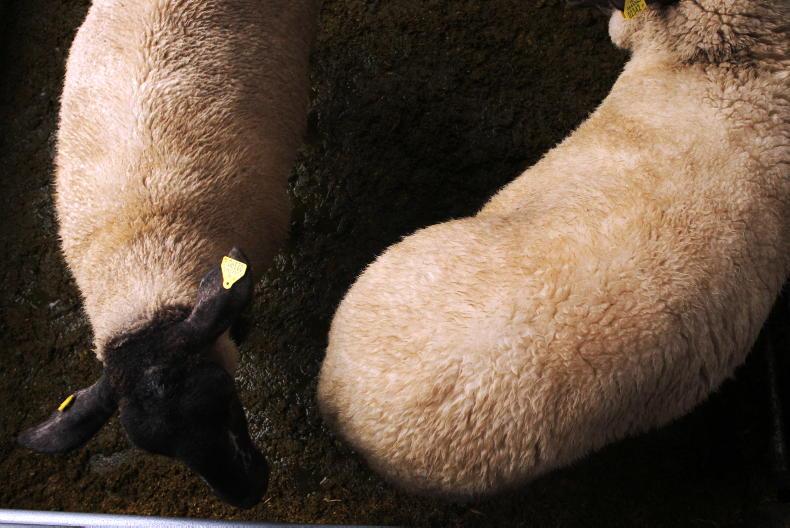
Bluetongue virus (BTV-3) has been detected in three sheep on a farm in County Down, Northern Ireland’s Minister for Agriculture Andrew Muir has confirmed.
These are the first cases of the virus in Northern Ireland this season. Case numbers have reached over 100 in the Republic of Ireland this season.
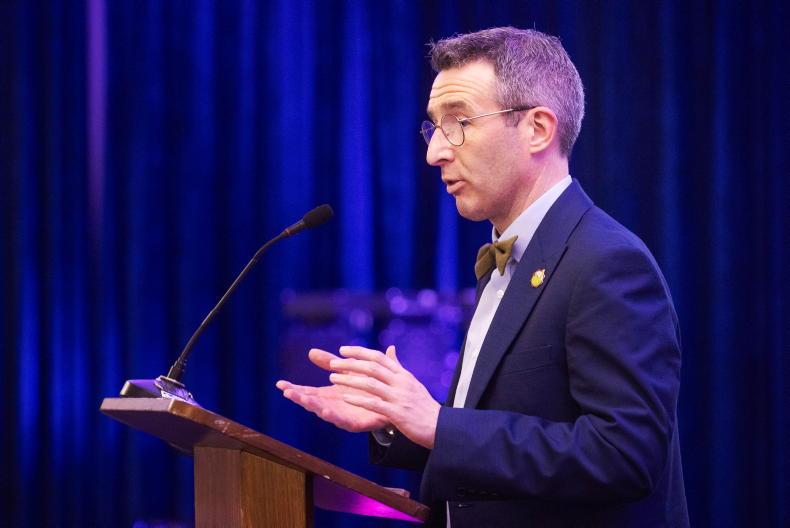
“While it is disappointing to see this confirmed case of BTV-3 in Northern Ireland, it is not unexpected, given the spread of BTV-3 across Britain and Ireland this season,” the Minister said.
“Continued vigilance and strict biosecurity measures remain of paramount importance and I would once again urge all farmers to report any suspicion of disease to DAERA.
“It is important that I reiterate that bluetongue poses no threat to public health nor to food safety – milk and meat are safe to consume,” he said.
Surveillance
Bluetongue affects cattle and sheep as well as goats, deer, llamas and alpacas and is primarily transmitted through infected biting midges which are most active from April to November.
The replication of the virus can only occur in the midge in temperatures above 12-15°C, with spread of the virus less likely to occur during the winter and early spring.
Chief veterinary officer Brian Dooher added: “As BTV-3 was confirmed in Northern Ireland in November 2025, further disease control measures such as movement restrictions and disease control zones will not be applied in response to this case.
“I would encourage farmers to be extra vigilant for any signs of the virus in their flocks or herds and report any suspect cases to DAERA. Active surveillance is ongoing at abattoirs alongside post-import testing of susceptible animals imported from mainland EU countries. I also want to stress the importance of safe and responsible sourcing of animals.”
DAERA said that if farmers have any concerns, they should contact their local divisional veterinary office or the DAERA helpline on 0300 200 7840.