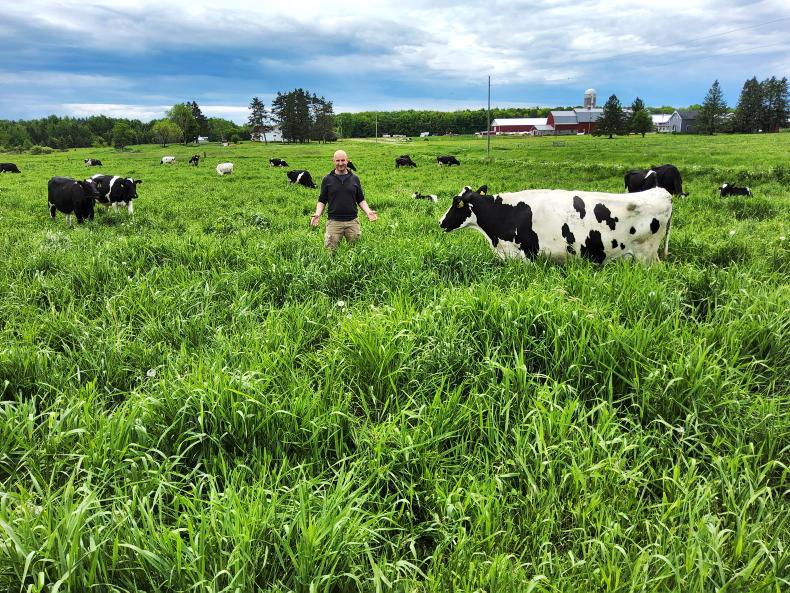
I’m a dairy farmer from north Antrim who, like everyone else, was tired of the endless pessimism in the mainstream media surrounding the negative environmental impact of the farming industry.
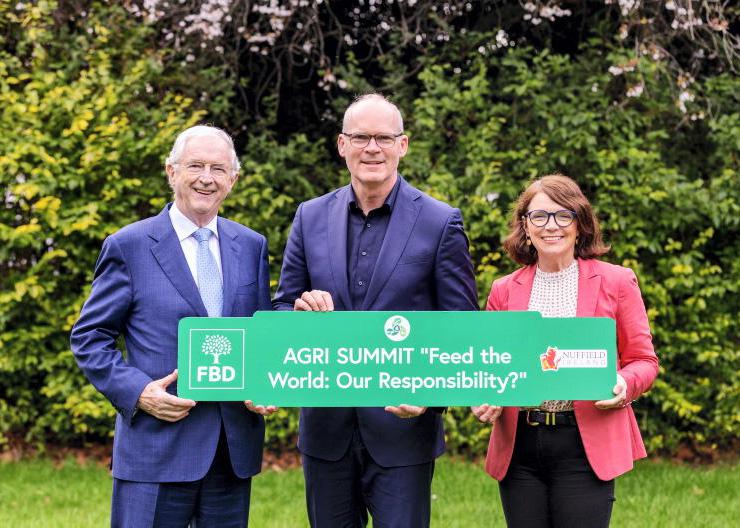
Curious to understand why this was the case, I decided to apply for a Nuffield farming scholarship in the spring of 2020, during the first COVID-19 lockdown.
At that time, everyone believed that six months or so would see the pandemic done and dusted and we could all move on with our lives – how wrong we were.
Interviews for places to be accepted on the Nuffield programme are usually done in person, taking place in London. However, for the first time ever, they were carried out on Zoom.
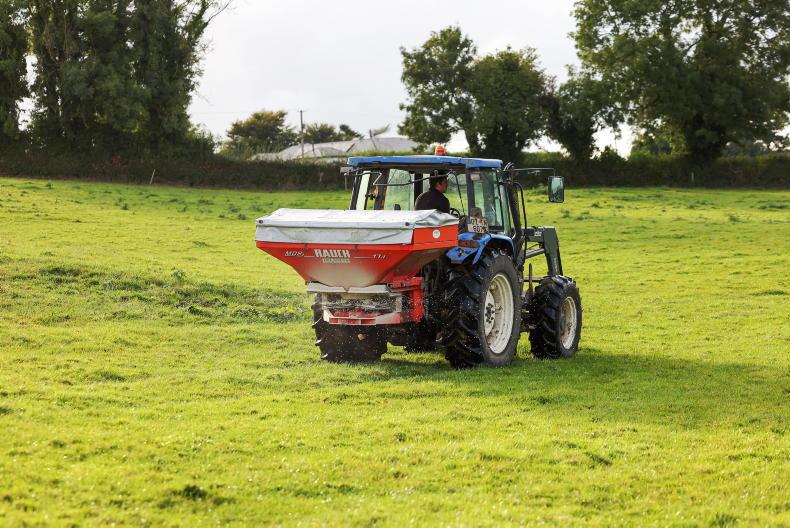
My topic was ‘Breaking dairy farming’s addiction to inorganic fertiliser, the road to rehabilitation’.
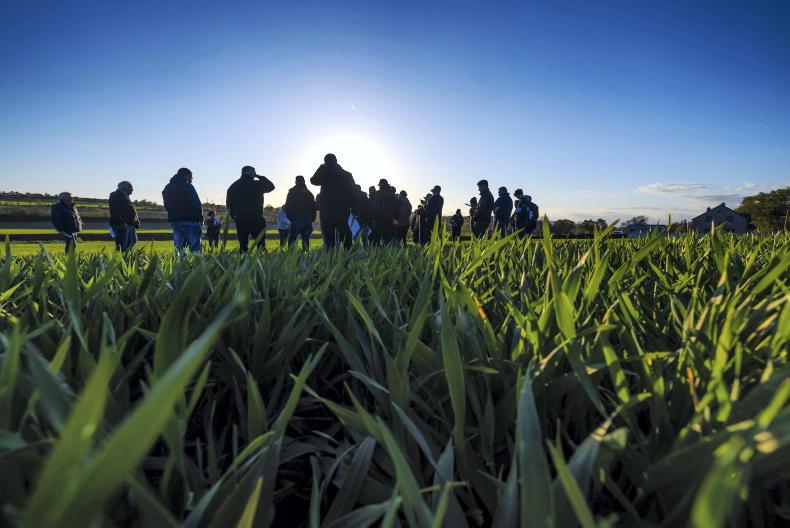
Due to COVID-19 restrictions, it was six months before I met the other 19 scholars in my UK year group, and a further year before I got to meet the rest of the scholars from across the globe at the Scholars conference held in Norfolk.
It was a fantastic week, with 120 scholars who were a diverse bunch of individuals, from a Jackfruit grower in Australia, a camel dairy farmer in the Netherlands, a pig farmer from Zimbabwe to a vegetable grower in the US.
Their farms ranged in sizes from 1ha to the thousands. There were other scholars there from associated industries too, such as agronomy or veterinary.
The hectic week included a great range of speakers and daily visits to various businesses and Norwich Research Park.
US visit
A few weeks later, I left for my own study. It was a four-week trip to the US. Some of my visits were to dairy farms containing 80 to 800 cows, a composting facility, organic veg farms, a worm farm, a meat-packing plant and an urban farms project in Pittsburgh.
I’m still in the process of coming to conclusions around my topic and I have some visits I wish to carry out in Europe; my aim is to report at the annual Nuffield conference in November.
It’s clear that farming without chemical fertiliser is possible, but it does have its challenges and will not be a one-size-fits-all solution.
My scholarship was made possible thanks to the Thomas Henry Foundation, to whom I’m grateful.
Read more
Milking cows in multiple locations in Down
Nuffield report looks at meat alternatives
I’m a dairy farmer from north Antrim who, like everyone else, was tired of the endless pessimism in the mainstream media surrounding the negative environmental impact of the farming industry.
Curious to understand why this was the case, I decided to apply for a Nuffield farming scholarship in the spring of 2020, during the first COVID-19 lockdown.
At that time, everyone believed that six months or so would see the pandemic done and dusted and we could all move on with our lives – how wrong we were.
Interviews for places to be accepted on the Nuffield programme are usually done in person, taking place in London. However, for the first time ever, they were carried out on Zoom.
My topic was ‘Breaking dairy farming’s addiction to inorganic fertiliser, the road to rehabilitation’.
Due to COVID-19 restrictions, it was six months before I met the other 19 scholars in my UK year group, and a further year before I got to meet the rest of the scholars from across the globe at the Scholars conference held in Norfolk.
It was a fantastic week, with 120 scholars who were a diverse bunch of individuals, from a Jackfruit grower in Australia, a camel dairy farmer in the Netherlands, a pig farmer from Zimbabwe to a vegetable grower in the US.
Their farms ranged in sizes from 1ha to the thousands. There were other scholars there from associated industries too, such as agronomy or veterinary.
The hectic week included a great range of speakers and daily visits to various businesses and Norwich Research Park.
US visit
A few weeks later, I left for my own study. It was a four-week trip to the US. Some of my visits were to dairy farms containing 80 to 800 cows, a composting facility, organic veg farms, a worm farm, a meat-packing plant and an urban farms project in Pittsburgh.
I’m still in the process of coming to conclusions around my topic and I have some visits I wish to carry out in Europe; my aim is to report at the annual Nuffield conference in November.
It’s clear that farming without chemical fertiliser is possible, but it does have its challenges and will not be a one-size-fits-all solution.
My scholarship was made possible thanks to the Thomas Henry Foundation, to whom I’m grateful.
Read more
Milking cows in multiple locations in Down
Nuffield report looks at meat alternatives





SHARING OPTIONS