



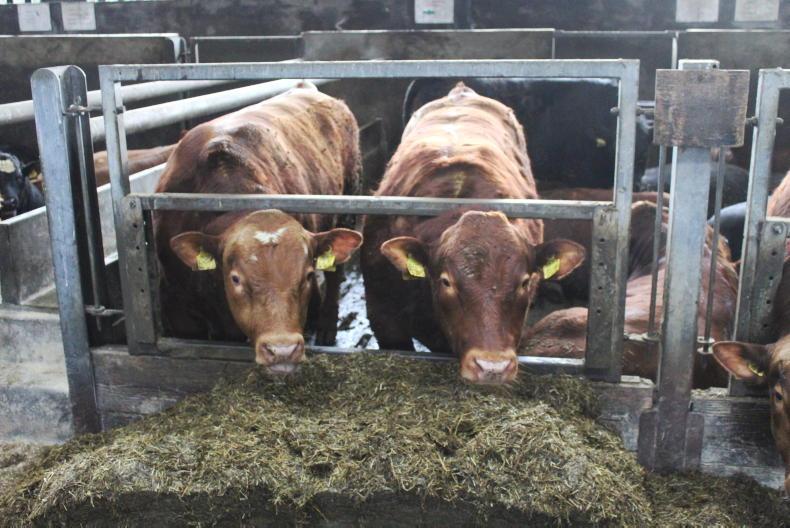
The Department has decided not to follow independent advice on reducing greenhouse gas (GHG) emissions from NI farming and instead will initially rely on schemes and policies being rolled out as part of its new Sustainable Agriculture Programme (SAP).
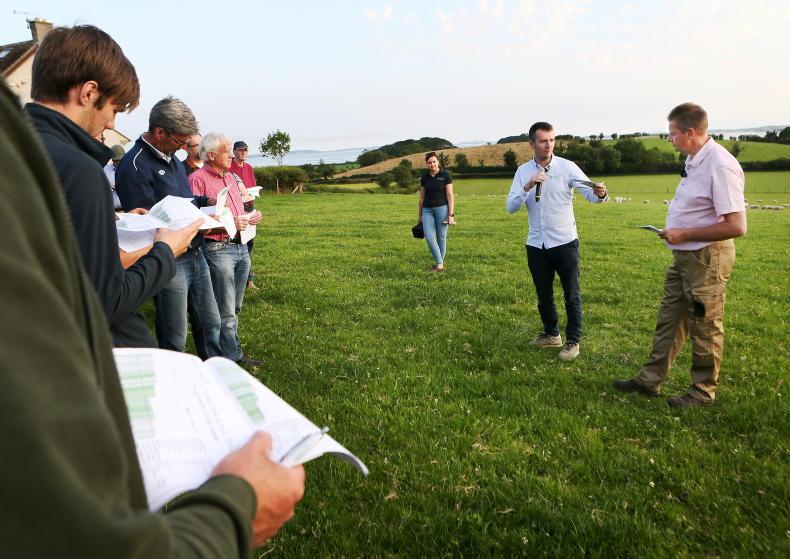
At a public consultation event on Tuesday, DAERA officials outlined their draft climate action plan designed to meet GHG targets set for the five-year period between 2023 and 2027.
Over the period, NI must achieve an annual average reduction of 33% in emissions when compared with 1990. Between 1990 and 2022, GHG emissions fell by just over 26%.
However, agriculture emissions are up 14.9% since 1990 and it is now the largest GHG emitting sector in NI, accounting for 29.1% of the total. Over half of GHG emissions from agriculture consist of methane from ruminant animals.
There are also more exacting targets coming for all of NI as set out in the Climate Change Act passed by Stormont politicians in 2022. That includes a 48% reduction in GHGs by 2030 and a 77% cut by 2040, ahead of the legal requirement for NI to achieve net zero emissions by 2050.
Livestock cut
To achieve 2030 targets, experts on the UK Climate Change Committee (CCC) had suggested it will be necessary for NI to cut livestock numbers by around 20% by that date. Despite that, it is not a policy being adopted at present. “DAERA has taken the decision not to follow the CCC advice,” confirmed Martin Mulholland from the Department.
Instead, within a raft of detailed documents published as part of the public consultation, are policies and proposals that DAERA expect will contribute to lower GHG emissions from agriculture. When combined, they will ensure farming contributes to the 33% reduction in total NI emissions required between 2023 and 2027.
Fertiliser and feed
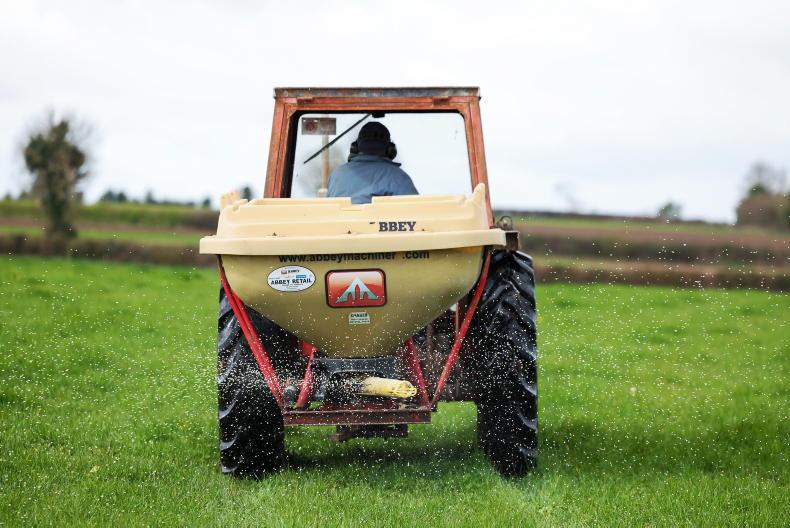
The largest, accounting for over 32% of the total emissions savings, is due to farmers displacing nitrogen fertiliser use by growing much more clover and herbs by 2027.
The second largest contributor (over 22%) comes from offering methane-suppressing feed additives to dairy and beef cattle, with the Department assuming 50% uptake in the dairy sector and 35% uptake in beef by 2027.
Next is the Beef Carbon Reduction (BCR) scheme, with DAERA expecting it will lead to a reduction in slaughter ages of prime cattle from a baseline of 26.2 months to 23.6 months by 2027, helping to contribute 18.6% of the required cut to emissions.
The impact of the suckler cow scheme is much less, contributing around 4.4% to lower emissions by encouraging farmers to calve heifers at younger ages and not keep poor fertility cows.
Dairy
As well as beef, the Department intends to encourage more dairy farmers to calve down heifers at 24 months and improve cow fertility, taking 15 days off the average calving interval in their herds. A 50% uptake of the advice/new technology would contribute 8% to emission savings.
Just behind that is a 7.5% contribution that would come from a major switch by all farmers from CAN to protected urea fertiliser by 2027.
Young bulls
There is also a proposal to encourage more farmers to finish male cattle as young bulls. Increasing the number of males finished as bulls from 12% to 24% by 2027 would help contribute 2.2% of the overall required emissions cut.
Land use
Outside of agriculture, land use, land-use change and forestry (LULUCF) accounts for 10.1% of NI GHG emissions. To help deliver against the first carbon budget, DAERA plans to create 9,000ha of new woodland by 2030.
There are also plans to restore/rewet peatland, with 10,000ha to be “on the road to recovery” by 2027.
Delayed
Whether all the various policies and proposals included within the DAERA documents can be rolled out and fully in place by the end of the current carbon budget period in 2027, looks questionable.
The climate action plan for the first budget period should have been published in 2024, so there is already limited time to roll out new policies, etc.
According to Claire Cockerill from DAERA, the whole process has been delayed for several reasons, including that it is new legislation cutting across all of government and the lack of a functioning Stormont Executive between 2022 and 2024. “We appreciate it is not ideal,” she said.
Coming fast on the heels is the next five-year carbon budget period for 2027 to 2032, which inevitably will come with more exacting targets and a new climate action plan from DAERA.
“We don’t want to be coming out in the middle of the second budget period with a climate action plan,” acknowledged Cockerill.
The public consultation on the first climate action plan closes to responses at midnight on Wednesday 8 October 2025.


SHARING OPTIONS