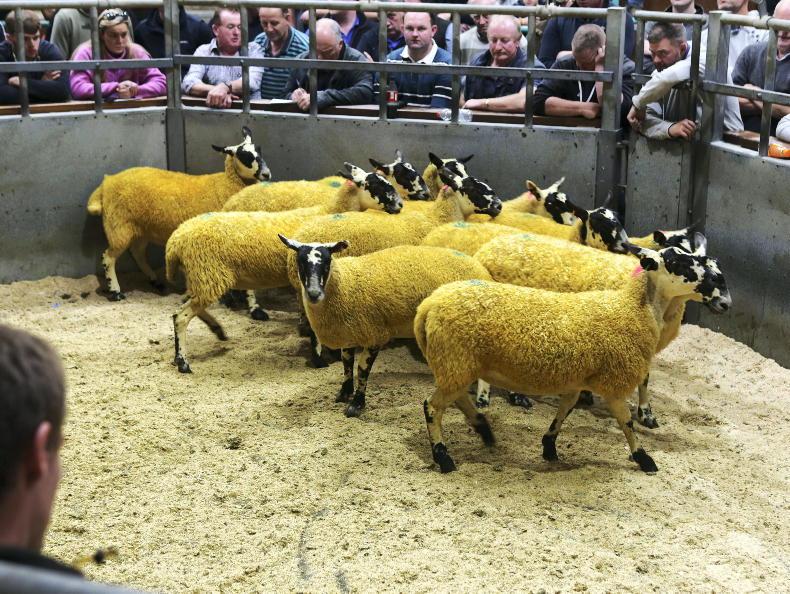
The average price paid for Mule hoggets at an annual sale in Ballymena Mart has risen by almost £100/head within the past two years.
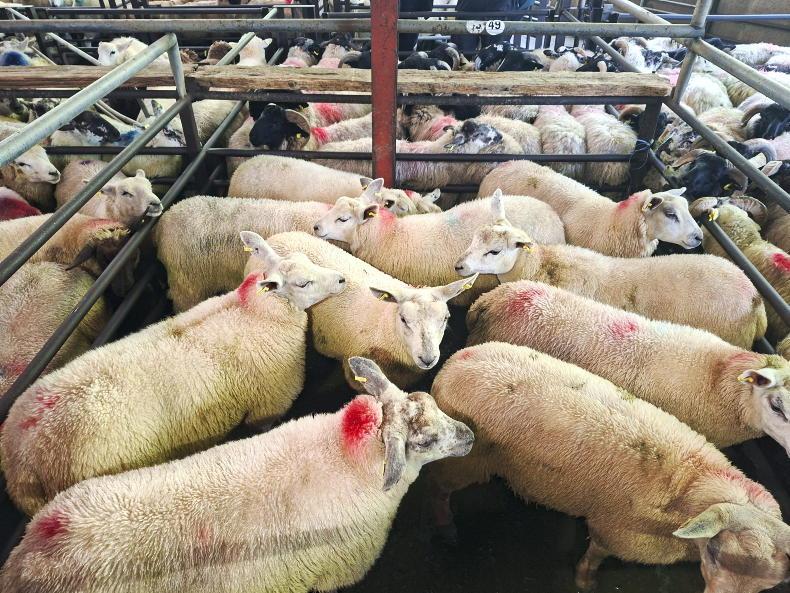
Over 2,750 hoggets were sold at the mart on Saturday and made an average price of £273. The figure is up £61 on last year’s sale and is £99 higher than the 2023 average.
Looking at historic prices from the sale, the average price has almost doubled during the past 10 years, although the biggest jumps have been over the past two years.
The top price for hoggets at this year’s sale was £380 paid to Ian Young from Coleraine for a pen of Suffolk Cheviots.
The highest priced Mules on the day were exhibited by Packie Donnelly from Rathkenny who received £375.
In the ewe lamb ring, a total of 926 lambs averaged £222, which is up £53 on last year’s sale and is an increase of £73 on the 2023 auction.
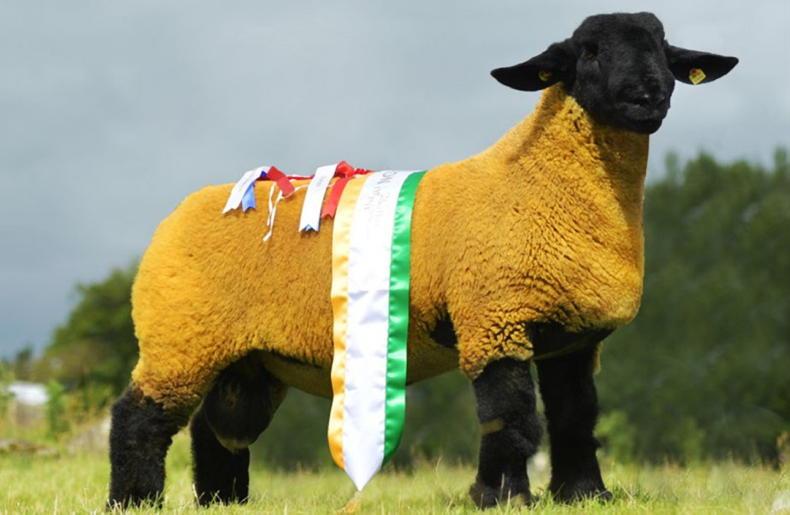
The top-priced lot was a single Suffolk Cheviot ewe lamb with show potential which was exhibited by Robert Workman from Larne and made £388.
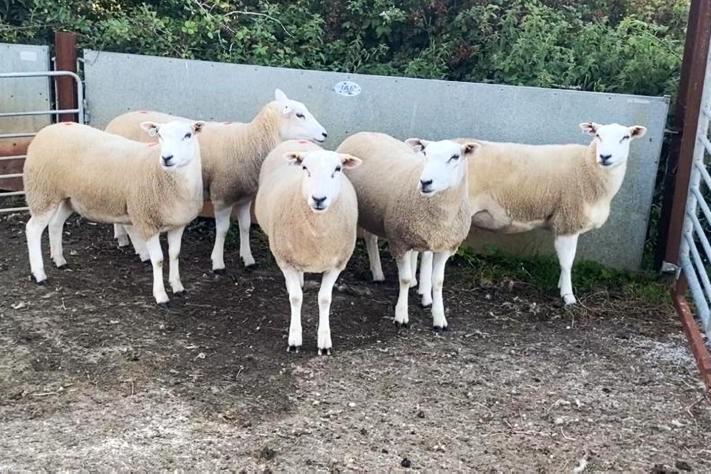
The highest-priced pen of ewe lambs was a batch of 12 Suffolk Cheviots shown by the Wilson family from Islandmagee which sold for £340.
Other sales
The major lift in prices for both breeding and store sheep this season has also been seen at other sales across NI.
At Swatragh last Thursday, hoggets reached a high of £320, breeding ewe lambs sold to £164 and stores lambs to £136.
At Markethill on Monday, breeding hoggets sold to £315, with the run of good quality lots making from £240 to £290.
Then at Ballymena on Monday evening, the top breeding hoggets made £310, ewe lambs reached £176 and store lambs sold to £138.
Sheep scab risk at peak sale season
Farmers are being advised to be vigilant for signs of sheep scab as the peak season for sheep movements is under way across NI.
DAERA is reminding farmers that early detection of scab is critical for eradicating the highly contagious disease from flocks.
Signs to look out for in sheep include rubbing against fence posts, nibbling at fleeces and broken areas of wool where sheep have been biting and scratching.
“If you suspect sheep scab in your flock you should seek veterinary advice and notify your local DAERA Direct Office,” reads new guidance from the department.