


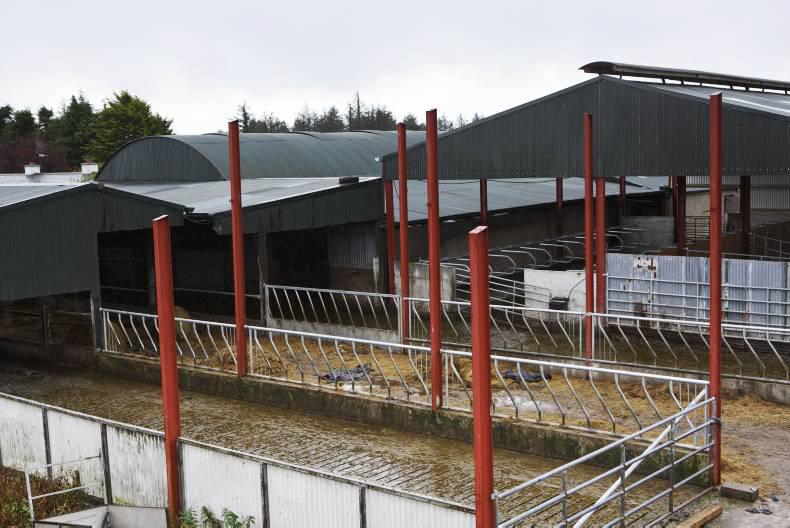
The business case for the capital grant element of the Farm Business Improvement Scheme, known as the Business Investment Scheme (BIS), is expected to be passed to the Department of Finance and Personnel (DFP) for approval shortly.
Speaking at the Optimise agricultural conference organised by the Young Farmers’ Clubs of Ulster in Templepatrick on Saturday, Ciaran Cunningham from DARD said that approval from DFP is expected relatively quickly as the Department is already familiar with the scheme.
Agriculture Minister Michelle O’Neill has previously said that she would launch the BIS in March.
However, her Department will have to wait on DFP approval, which is required as funding for the scheme is coming from the NI Executive at Stormont. Once that approval is received, they will then have to invite tenders from bodies interested in administering the first part of the scheme (our understanding is that the administration of Tier 1 will be outsourced).
It could be the summer before Tier 1 opens to applicants.
At the Assembly’s agriculture committee on Tuesday, Graeme Wilkinson from DARD said that there will be a phased introduction to the scheme with the second tier opening later in the year.
The £200m grant scheme will provide 40% funding in Tier 1 for projects costing between £5,000 and £30,000. Tier 2 is to provide grant funding of between £30,000 and £250,000 to cover 40% of project costs.
On Saturday in Templepatrick, Cunningham confirmed that a decision on young farmers receiving an increased grant of 50% is due to be made soon. “If this does not happen, it is possible that young farmers could be preferentially treated in applications for funding,” he suggested.
Price escalation
When questioned about the cost of projects to farmers increasing once grants are available, he said that a “value for money” element could be included in selection criteria when applying for funding.
This would see applications receive a higher score when the total cost is lower than other applications for the same project or item.
The aim is to incentivise suppliers to keep costs down to farmers.
For construction projects, Cunningham pointed out that under Construction Design and Management (CDM) legislation, a certified project manager is required. He added that this can be the applicant if they have appropriate certification. All structural steel used by contractors making items such as trusses and slats must be CE (European conformity) marked.
For Tier 1 and 2 applicants, a business plan and completion of farm health and safety training will be required to accompany the application.
Currently, CAFRE is developing template business plans and the detail in plans will be proportionate to the level of spend on a project.
A co-funding letter from a bank will also be required to confirm that the applicant can raise sufficient funds to cover their part of the expenditure, along with planning permission, if applicable (buildings over 500m2).
When asked about funding investments during the current time of low profitability on farms, Cunningham said: “Projects have to be viable, but if business plans are not realistic, we won’t approve them.”



SHARING OPTIONS