



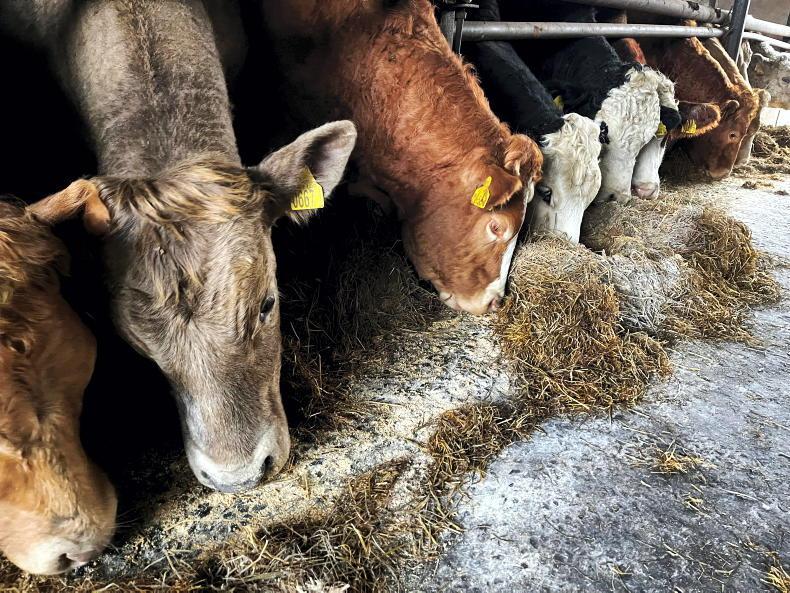
Feed mills across NI have indicated there is no scope for further feed price cuts over the winter period, due to rising markets for some key ingredients.
A major factor behind the jump surrounds the EU recently announcing that new deforestation laws will take effect at the end of 2025.
The EU previously suggested that the law, which aims to stop products entering the trade bloc from deforested land, would be delayed by a further 12 months. The latest development has added jitters to spot markets for key straights. For example, reports suggest traders have quoted soya at over £380/t, which is up £80/t since early October.
Markets got another lift last week when US President Donald Trump announced that China is to resume buying US soya before the end of 2025.
Local feed mills that have little forward buying cover are most exposed, with some indicating that ration prices will need to rise unless markets settle.
With most mills applying cuts of £5 to £10/t earlier in the autumn, there was hope that more price cuts could come to fruition if markets remained stable.
The latest outlook is that ration prices will at best remain steady in the short term, with a significant degree of uncertainty hanging over the new year.
The key issue over the coming weeks will be if lobbying efforts to delay the EU deforestation laws are successful, or if the new regulations take effect as planned at the end of 2025.
At present, a typical dairy ration with supplements and buffers is costing NI farmers £300/t to £315/t.
Lower spec rations are available for around £290/t and, at the top end, high protein rations with a full suite of supplements and buffers are costing £330 to £340/t.
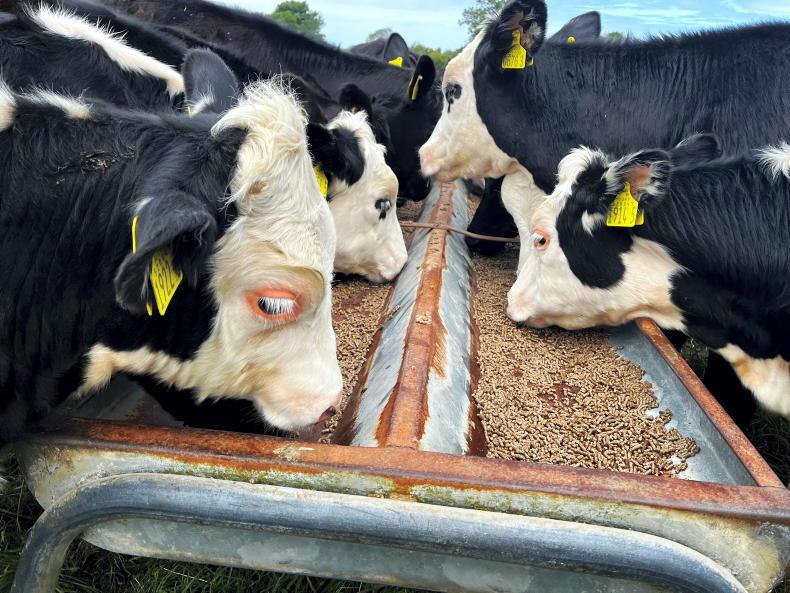
Prices for beef rations also depend on ingredients and supplements, but a typical beef mix is now being quoted at £250 to £260/t.
In general, there is little difference in price between most store cattle rations and high maize beef finisher mixes.



SHARING OPTIONS