



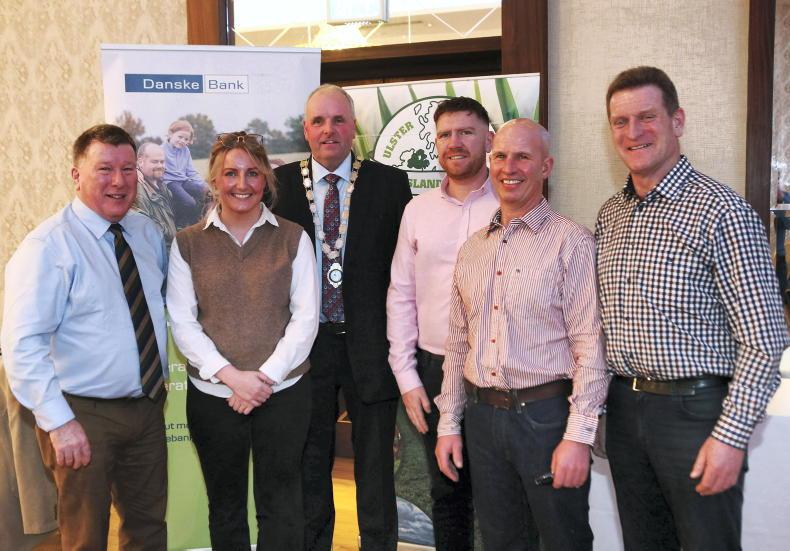
A representative of British supermarket chain Morrisons has defended a decision by the company to start offering cheap Australian beef in its stores during 2025.
Co Down native Emma Nelson, who is a senior commercial manager at the company, told the Ulster Grassland Society (UGS) annual conference on Tuesday that the trial has not impacted the volumes of British beef sold through its stores.
She said the imported beef is clearly marked as Australian and is sold at a lower price point, so is attractive to customers who might not normally purchase beef. “Maybe when they come back to a store, they will upgrade to the next level and buy British,” suggested Nelson.
Outlook
Looking ahead to the market for beef in 2026, she said it is a “steady” outlook, which means supermarkets can be much more confident about retail pricing and decisions on whether to push volumes. “2025 was really difficult to make big decisions because of price volatility. As soon as the price goes up on the shelf, we sell less volume,” she said.
That price volatility, which saw farmgate returns for U3 cattle start out 2025 at around 530p/kg and quickly rise to 690p/kg by the end of April, seems to have had an impact on buying policies. During the year, a number of supermarkets reneged on previous commitments to stock 100% British beef.
“I think supermarkets will use it [Australian beef] as a way to manage volatility in the market in the future,” acknowledged Nelson.
Emissions
Beef is supplied to Morrisons via its manufacturing arm, Myton Food Group, with 10% of weekly processing being a dairy beef product from an integrated supply chain, which now comes with a claim it has 40% lower greenhouse gas emissions than industry standards.
When that claim was advertised on packs it did improve sales, said Nelson, although she accepted that at present, most customers are driven by price and not the push for net zero.
“However, when they come out of a cost-of-living crisis the next thing they will look for is sustainability credentials. We can prepare now for what is coming next,” she said.
Myton Food Group
She maintained that Morrisons sources more fresh food from British farmers than any other supermarket, with over half of its fresh food offering coming from 19 processing sites operated by Myton Food Group. Within that group of companies is meat business, Woodhead Bros and the egg packer, Chippindale Foods.
In NI, there are now 11 suppliers to Chippindale, with eggs pooled in Dungannon before being shipped to England.
Invest in the land you own, says McCluggage
With farmers willing to pay around £20,000 per acre in many areas and up to £30,000 in some cases, it begs the question whether farmers are doing enough to ensure they get the best out of the land they own.
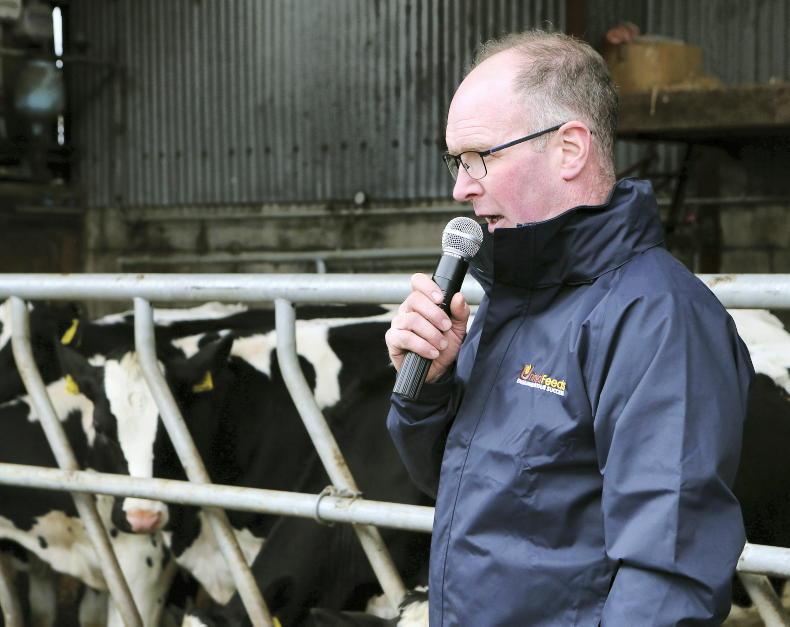
“The soil fertility figures say you are not, and when did you last carry out some drainage, clean sheughs, check out compaction?” asked former CAFRE adviser Ian McCluggage.
During his presentation at the UGS conference McCluggage urged farmers to seek advice on managing grass. He pointed out that increasing grass utilisation from the current industry average of 5.5t/ha to 8t/ha, equates to an additional 27,500MJ of energy, which is the equivalent of 2.2t of concentrate.
Doing so will also help bring costs under control.
“Have we lost sight of cost control? For some farmers, it is taking over 40p to produce milk. What do you think is going to happen when you are getting 30p for it in April? Cost control is essential and that sits with you,” he said.




SHARING OPTIONS