



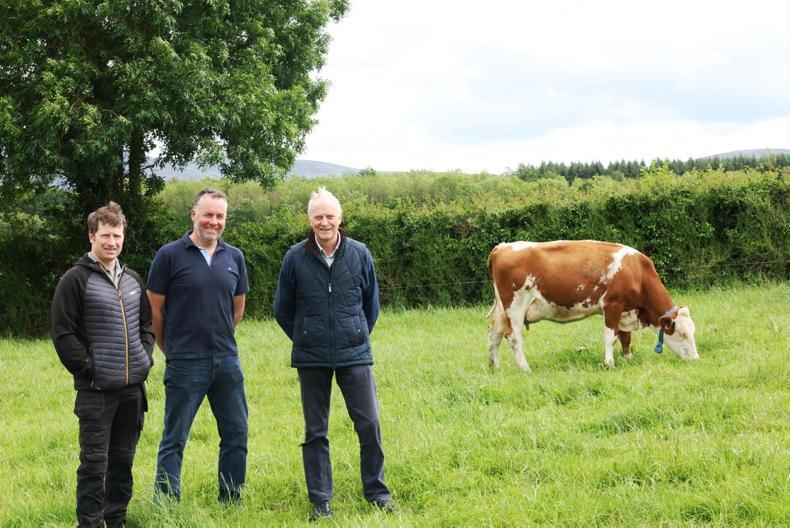
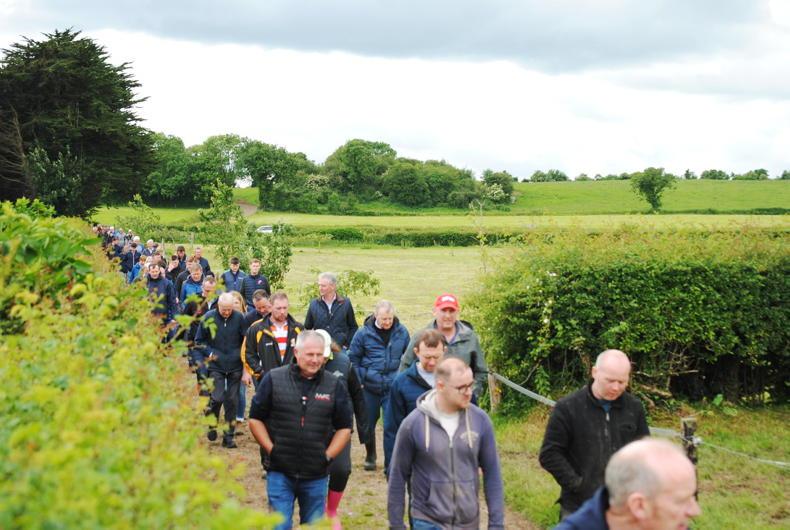
On Wednesday 10 June Fleckvieh Ireland in conjunction with Celtic Sires held an informative open day on the Farm of John and Chloe Caplice, Burncourt, Cahir, Co Tipperary.
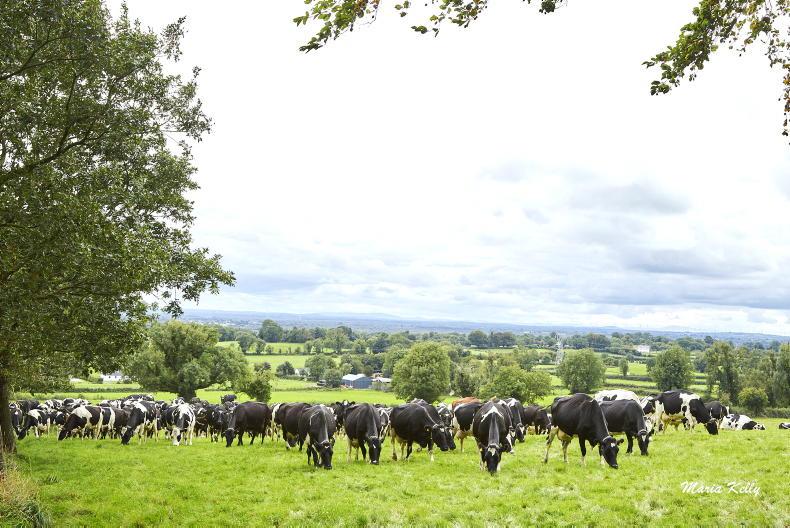
Lifelong dairy farmers, the Caplice family have carefully built up their herd to just over 140 milking cows.
Operated in three blocks, the farm consists of 230 acres, of which 130 is owned. The farm is totally grass-based and during dry periods can be prone to drought.
To counteract this, all silage is baled which allows great flexibility both in terms of harvesting and using during drought periods.
Fleckvieh influence
About eight years ago, John started using Fleckvieh genetics, a decision he has been pleased with ever since.
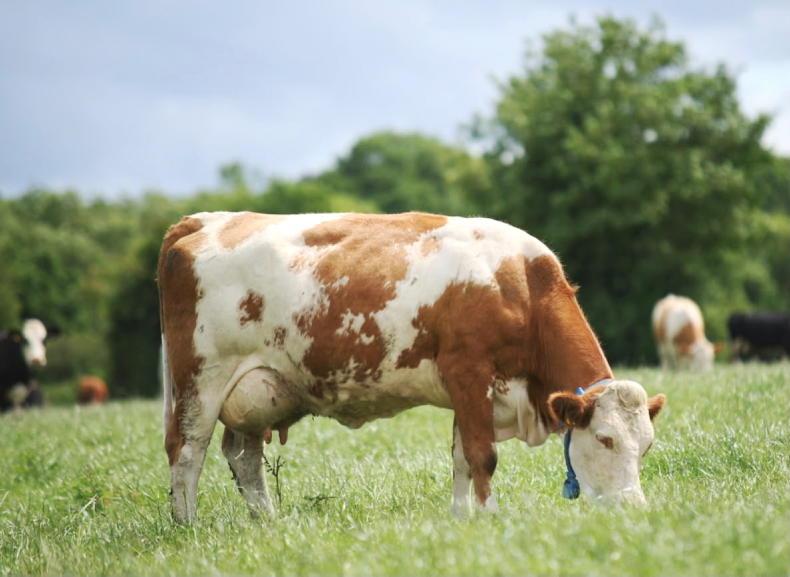
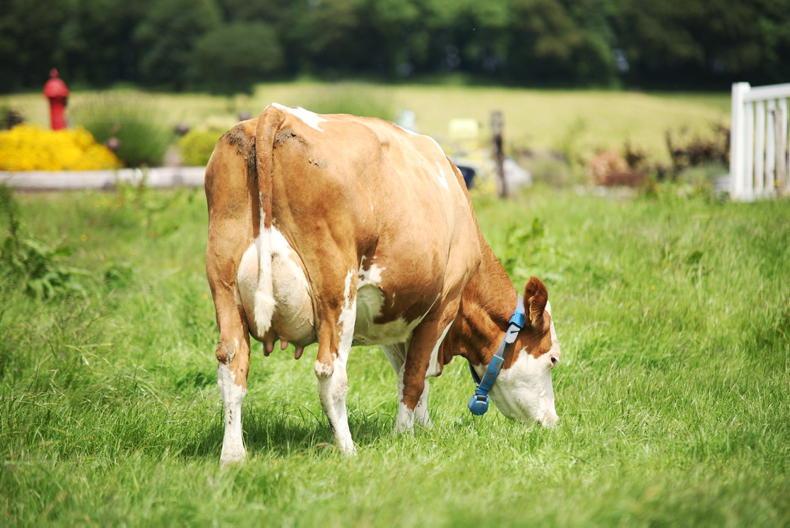
Today, the make-up of the cows is half- or three-quarter-bred Fleckvieh, coming from a British Friesian base. Over the coming years, John plans to increase the use of Fleckvieh genetics, as he sees first hand the improvements which have been made since he first introduced Fleckvieh genetics to the herd.
Performance
The herd is currently averaging 6,243 litres at 4.2% fat and 3.6% protein, which is well up on what the herd was producing before John started using Fleckvieh sires.
When selecting bulls, John focuses on solids and production based on their Austrian evaluations, with the objective of improving milk yield.
He finds the Austrian data very accurate and highlights that there is no requirement to use a team of bulls. To assist in the use of AI, John is using a collar system this year.
This move to collars will also allow John to use more beef bulls including Belgian Blue and Charolais, once he has bred for his replacements.
Calf price
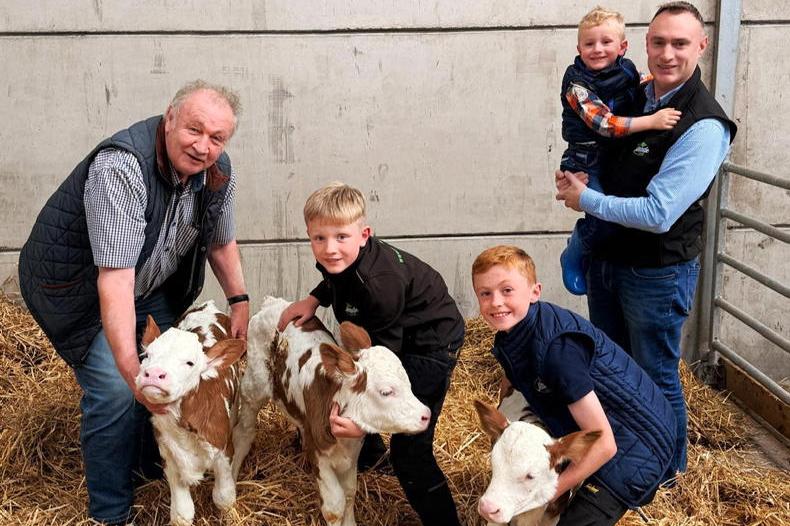
The ability of Fleckvieh cows to produce better quality beef calves is a key profit driver for the Caplice family. Selling calves at prices as high as €800 is not uncommon and according to John, this additional income is vital for any dairy farm. “Calf price must play a larger role in dairy profit monitors as it takes the pressure off a farm requiring extremely high milk prices.”
The longevity of Fleckvieh cows is another critically important tool John has identified.
Fleckvieh cows in Austria have an average recorded longevity of 4.9 lactations, compared to the average of 3.4 for dairy herds in Ireland. Experts from Austria were present on the day and gave a detailed demonstration on how cows are evaluated in Austria and what physical features are most important to ensure profitable cows which last a long time.
According to leading expert, Johannes Penz, “if you have the correct cow type, she will last longer and be more profitable”.
Another positive attribute of Fleckvieh cows which was highlighted at the event is their docility.
Many dairy farmers present, who had no experience of the breed, were very quick to comment on the extremely docile nature of the cows.
In a time when dairy herd performance and sustainability must go hand in hand, this farm walk clearly demonstrated that the Fleckvieh breed can match milk performance with the added advantage of breeding calves which will be sought after by beef farmers.



SHARING OPTIONS