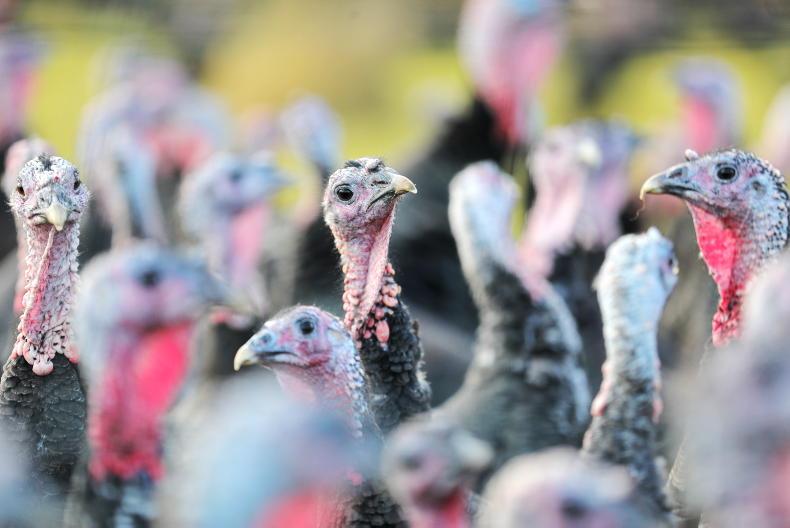
The IFA recently held a webinar for poultry producers to help them understand avian influenza and what they can do to avoid the virus hitting their farm.
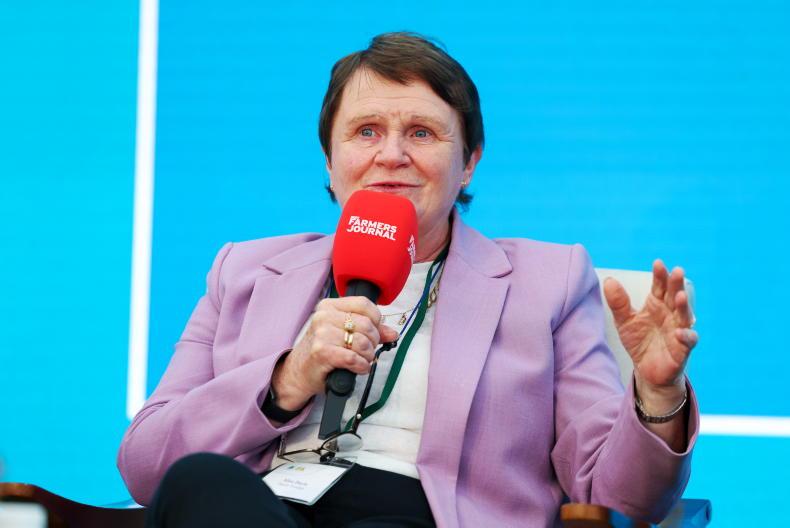
Dr Aonghus Lane from St David’s Veterinary was the key speaker for the event and he shared expert, practical guidance on biosecurity, highlighting what’s working on farms, where gaps are often found and how to strengthen defences before the virus reaches the door.
Alan Johnson from the National Disease Control Centre (NDCC) also provided an update on the current avian influenza situation, surveillance efforts and supports available for producers.
Nigel Sweetnam, national poultry chair, IFA, said: “I believe that maintaining rigorous protocols is essential to safeguarding the health of our flocks and it’s very important that all poultry farmers, both big and small, adhere to the recent housing order to protect everyone’s livelihoods.”
Questions and answers
Backyard flocks: what if birds cannot be housed?
Many smaller producers asked what to do when housing their birds indoors simply isn’t possible.
Alan Johnson was clear: housing is always the ideal scenario, but if it cannot be done, the flock must at least be fully fenced and covered to prevent contact with wild birds or their faeces. He advised using mesh and a waterproof layer to reduce risk as much as possible, while acknowledging that these measures are not perfect.
How do the current confirmed cases compare to previous outbreaks?
According to Johnson, Ireland has not seen highly pathogenic avian influenza in poultry since November 2022.
The recent cases detected are similar in nature to those last recorded outbreaks, although low-pathogenic strains have appeared sporadically since.
This reinforces the need for producers to stay alert and maintain strict protocols.
Are vaccines on the horizon?
Dr Lane explained that some countries already use vaccines, but challenges remain:
Nonetheless, he believes that as science improves, vaccination will become a more realistic tool – though not a replacement for strict biosecurity.
Another of the evening’s speakers, Teagasc Poultry Advisor Rebecca Tierney, emphasised this, noting that overreliance on vaccines abroad had sometimes led farmers to relax other defences, with damaging consequences.
Do restriction zones in Northern Ireland affect farms in the Republic of Ireland?
Yes. Surveillance and restriction zones generally operate on a cross-border basis, and if a 10km zone in Northern Ireland overlaps the Republic, the same protocol applies – but it does depend on the risk level.
Birds being moved across the border undergo inspection to ensure no potentially infectious flocks are transported.
Reducing wild bird presence on farms
When asked how producers can deter wild birds from their sites, , James Greaves, broiler and broiler breeder consultant, highlighted that good housekeeping is the single most important factor.
This includes eliminating feed spillages, removing attractants and ensuring bins do not leak dust, which is a major source of attraction for crows and other species.
Aonghus Lane added practical advice: using cyclones under feed blow-pipes reduces feed dust that attracts wild birds.
What about farm pets and backyard flocks?
Sarah Hanley reminded producers that farm pets – especially those with access to poultry houses – can be a risk factor in spreading contamination.
She also stressed the importance of registering backyard flocks with the Department of Agriculture so owners receive alerts, guidance and disease-prevention information.
What about egg sales and visitors?
Free-range egg producers do not need to modify packing practices during the housing order, according to Brendan Soden. However, he strongly advised preventing unnecessary visitors from entering poultry areas.
For direct-sale customers, he recommended arranging collections at the house or another safe point, rather than allowing anyone near the poultry sheds.
A final message: biosecurity and farmer wellbeing
Rebecca Tierney concluded with a reminder that biosecurity is only as strong as its weakest link and must continue after media attention fades.
Nigel Sweetnam closed the session by stressing the human side of the crisis: the mental burden on farmers, the isolation created by movement restrictions, and the overwhelming consequences when a flock is infected.
He urged farmers to keep in touch with one another, follow every rule diligently, and remember that the stakes — bird welfare, public health and the food chain — are high and prevention is better than cure.