The Department of Agriculture was a major blocker to the development of biomethane, as it was concerned about disrupting Ireland’s agricultural ecosystem. Around five years ago, when the industry began ramping up lobbying for the technology, both the Department of Agriculture (DAFM) and Department of Environment, Climate and Communications (DECC) were not interested and said no.
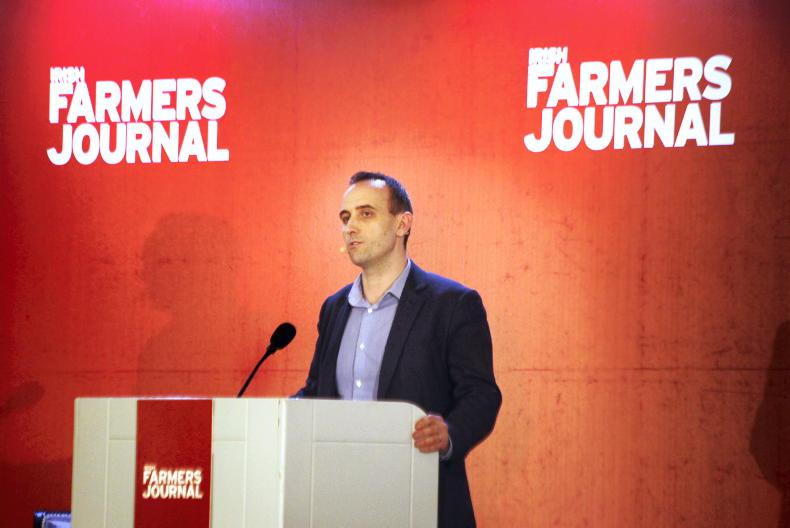
This was according to KPMG’s Russell Smyth, who took the stage at the recent Renewable Gas Conference in Belfast. While discussing Northern Ireland’s challenges, Smyth offered a rare, candid look inside the closed-door conversations that have shaped Ireland’s new approach to biomethane.
Just a few years ago, Smyth recalled, there was no enthusiasm for biomethane in Dublin.
“There was no appetite, no policy push, no sense that this was a priority,” he said.
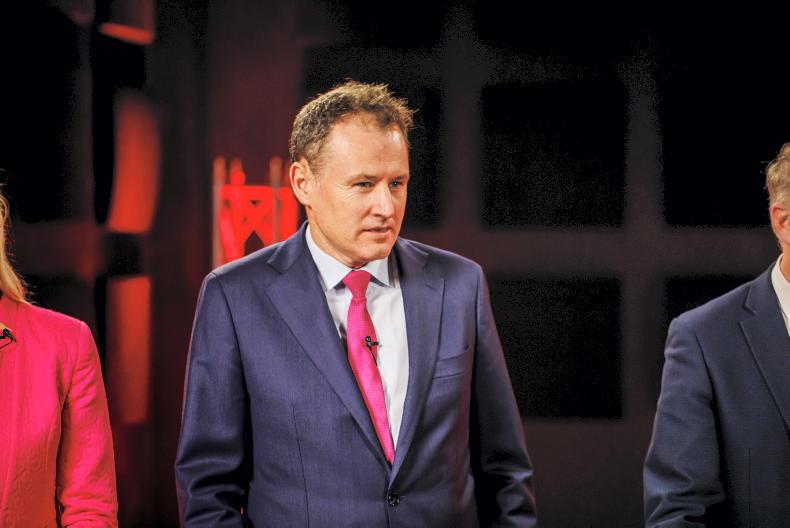
Former Minister for Agriculture Charlie McConalogue.
That all changed about two years ago, he said. In what can only be described as a U-turn, the Irish Government re-evaluated the role of biomethane, not as a niche renewable energy option, but as an economy-wide decarbonisation tool.
“The message started to resonate because they changed the lens through which they viewed biomethane,” Smyth explained.
“They realised that to decarbonise the entire economy, not just electricity, wind and solar alone weren’t enough. Biomethane and hydrogen were identified as two of the few technologies capable of reaching sectors that electricity couldn’t easily decarbonise,” he said.
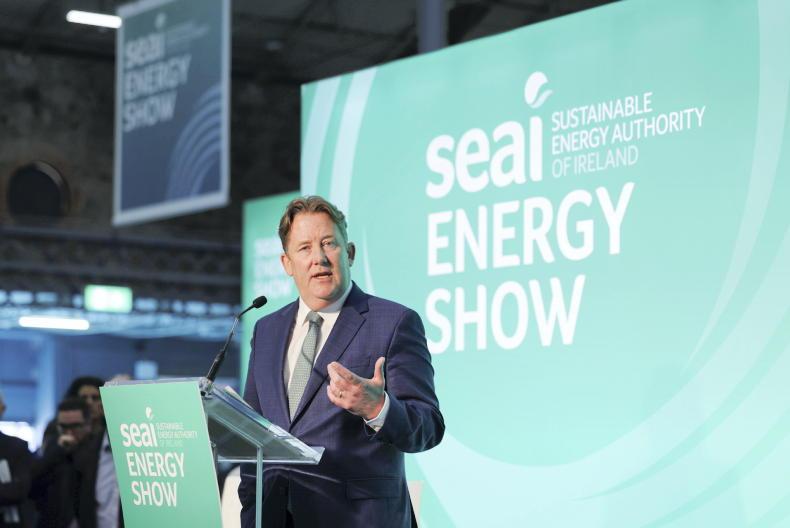
Minister for Environment, Climate and Communications Darragh O’Brien.
Pressure inside Government
The change, Smyth revealed, didn’t come from industry lobbying alone, it came from political pressure within Government.
“DAFM was under enormous pressure,” he said, a reference to the emissions reduction target that had not yet been set for agriculture. “It recognised that biomethane is one of the few tangible technologies that can make a real difference, not just for decarbonisation, but for nutrient management and rural sustainability” he said.
Once seen as a competitor to farming, the realisation that biomethane is about more than just energy led DAFM and DECC to work together to develop a whole-of-government biomethane policy, Ireland’s first National Biomethane Strategy.
“We saw strong political support. Leaders like Eamon Ryan and, more recently, Darragh O’Brien have now publicly backed the sector. They’re pushing the civil service to deliver policy frameworks and tangible support,” Smyth said.
Great idea but who pays
But Smyth’s most revealing comments came when he described what happened next, the moment the plan ran into the political and fiscal realities of Government.
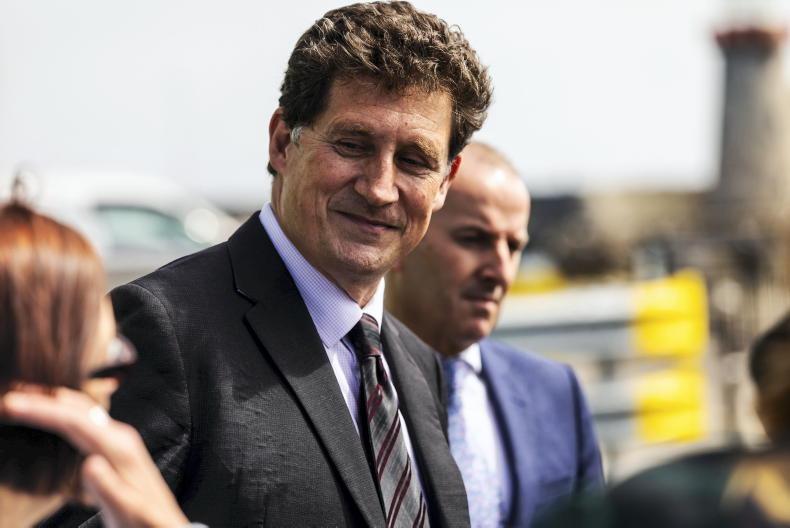
Former Minister for Transport and Energy Eamon Ryan.
“KPMG’s recommendation was that, if the Government wants to guarantee strong momentum, it should introduce a subsidy scheme, similar to the UK scheme,” he said.
Smyth recounted a meeting between DAFM, DECC, and the Department of Finance.
“The two co-authors from Agriculture and Energy said, ‘Yes, a subsidy would be great’. They turned to Finance and asked if that would be acceptable.”
Finance’s response was blunt: “Absolutely, that’s no problem, but it’s coming out of your budgets.”
Smyth said: “They quickly rowed back on that suggestion. Ultimately, they said they do not believe it is affordable, so there will not be a subsidy.”
Stick
Instead, the Irish Government opted for a Renewable Heat Obligation (RHO), a market-based mechanism requiring gas suppliers to buy an increasing share of biomethane.
It’s a solution that avoids direct public funding but shifts the cost burden onto energy suppliers and, indirectly, consumers. It will mean there is no guaranteed price, but there will be a guaranteed demand.
“Ultimately, in ROI, what you are going to have is a supplier that must have biomethane,” he said.
“They will socialise the additional cost across part of their supply base, and there will also be a large energy user who wants the benefit of the green gas, and will pay a significant proportion of the premium” he said. This represents a stick approach, but even without the obligation in place, the political backing alone is enough to drive investment in the sector.
“Even before final details are confirmed, the political rhetoric, clear visibility of support, and direction of travel have already attracted international developers,” Smyth said.
“There are large-scale plants, €20-€30 million in size, currently under construction. Roughly €150m of investment has entered the Irish biomethane sector in the past 12 months alone,” said Smyth.
Climate off the agenda
Smyth’s insights also revealed a subtler, strategic recalibration within Government, the way politicians now talk about anaerobic digestion and biomethane.
“Globally, political momentum on climate change is shifting,” he said. “If I were a politician trying to win votes, climate change is no longer as big an issue on the agenda” he said.
That realisation, he suggested, has reshaped how Ireland frames its energy strategy. “Therefore, to gain support for anaerobic digestion, climate change probably is not the best way to generate interest and momentum.
“ The focus should be on energy security and on reducing pollution. Those should be pretty good vote winners.”
Lessons for Northern Ireland
While the Republic of Ireland is moving ahead, Northern Ireland remains, in Smyth’s words, “stuck in the slow lane”. Despite a decade of experience in building and operating AD plants, he said, the region has failed to progress beyond its early foundations, and costs remain a challenge.
“Yes, biomethane is expensive compared to natural gas,” Smyth said, “but that’s the wrong comparison. In a decarbonised economy, natural gas isn’t an option at all.”
What Northern Ireland lacks, he argued, is that same sense of political ownership.
“There’s no reason similar investment shouldn’t come to Northern Ireland,” Smyth said, “but investors need confidence, they need to see Government backing, policy clarity, and a route to market.”
The author Stephen Robb is currently involved in a family/community proposal for an anaerobic digestion facility in Co Donegal.
The Department of Agriculture was a major blocker to the development of biomethane, as it was concerned about disrupting Ireland’s agricultural ecosystem. Around five years ago, when the industry began ramping up lobbying for the technology, both the Department of Agriculture (DAFM) and Department of Environment, Climate and Communications (DECC) were not interested and said no.
This was according to KPMG’s Russell Smyth, who took the stage at the recent Renewable Gas Conference in Belfast. While discussing Northern Ireland’s challenges, Smyth offered a rare, candid look inside the closed-door conversations that have shaped Ireland’s new approach to biomethane.
Just a few years ago, Smyth recalled, there was no enthusiasm for biomethane in Dublin.
“There was no appetite, no policy push, no sense that this was a priority,” he said.

Former Minister for Agriculture Charlie McConalogue.
That all changed about two years ago, he said. In what can only be described as a U-turn, the Irish Government re-evaluated the role of biomethane, not as a niche renewable energy option, but as an economy-wide decarbonisation tool.
“The message started to resonate because they changed the lens through which they viewed biomethane,” Smyth explained.
“They realised that to decarbonise the entire economy, not just electricity, wind and solar alone weren’t enough. Biomethane and hydrogen were identified as two of the few technologies capable of reaching sectors that electricity couldn’t easily decarbonise,” he said.

Minister for Environment, Climate and Communications Darragh O’Brien.
Pressure inside Government
The change, Smyth revealed, didn’t come from industry lobbying alone, it came from political pressure within Government.
“DAFM was under enormous pressure,” he said, a reference to the emissions reduction target that had not yet been set for agriculture. “It recognised that biomethane is one of the few tangible technologies that can make a real difference, not just for decarbonisation, but for nutrient management and rural sustainability” he said.
Once seen as a competitor to farming, the realisation that biomethane is about more than just energy led DAFM and DECC to work together to develop a whole-of-government biomethane policy, Ireland’s first National Biomethane Strategy.
“We saw strong political support. Leaders like Eamon Ryan and, more recently, Darragh O’Brien have now publicly backed the sector. They’re pushing the civil service to deliver policy frameworks and tangible support,” Smyth said.
Great idea but who pays
But Smyth’s most revealing comments came when he described what happened next, the moment the plan ran into the political and fiscal realities of Government.

Former Minister for Transport and Energy Eamon Ryan.
“KPMG’s recommendation was that, if the Government wants to guarantee strong momentum, it should introduce a subsidy scheme, similar to the UK scheme,” he said.
Smyth recounted a meeting between DAFM, DECC, and the Department of Finance.
“The two co-authors from Agriculture and Energy said, ‘Yes, a subsidy would be great’. They turned to Finance and asked if that would be acceptable.”
Finance’s response was blunt: “Absolutely, that’s no problem, but it’s coming out of your budgets.”
Smyth said: “They quickly rowed back on that suggestion. Ultimately, they said they do not believe it is affordable, so there will not be a subsidy.”
Stick
Instead, the Irish Government opted for a Renewable Heat Obligation (RHO), a market-based mechanism requiring gas suppliers to buy an increasing share of biomethane.
It’s a solution that avoids direct public funding but shifts the cost burden onto energy suppliers and, indirectly, consumers. It will mean there is no guaranteed price, but there will be a guaranteed demand.
“Ultimately, in ROI, what you are going to have is a supplier that must have biomethane,” he said.
“They will socialise the additional cost across part of their supply base, and there will also be a large energy user who wants the benefit of the green gas, and will pay a significant proportion of the premium” he said. This represents a stick approach, but even without the obligation in place, the political backing alone is enough to drive investment in the sector.
“Even before final details are confirmed, the political rhetoric, clear visibility of support, and direction of travel have already attracted international developers,” Smyth said.
“There are large-scale plants, €20-€30 million in size, currently under construction. Roughly €150m of investment has entered the Irish biomethane sector in the past 12 months alone,” said Smyth.
Climate off the agenda
Smyth’s insights also revealed a subtler, strategic recalibration within Government, the way politicians now talk about anaerobic digestion and biomethane.
“Globally, political momentum on climate change is shifting,” he said. “If I were a politician trying to win votes, climate change is no longer as big an issue on the agenda” he said.
That realisation, he suggested, has reshaped how Ireland frames its energy strategy. “Therefore, to gain support for anaerobic digestion, climate change probably is not the best way to generate interest and momentum.
“ The focus should be on energy security and on reducing pollution. Those should be pretty good vote winners.”
Lessons for Northern Ireland
While the Republic of Ireland is moving ahead, Northern Ireland remains, in Smyth’s words, “stuck in the slow lane”. Despite a decade of experience in building and operating AD plants, he said, the region has failed to progress beyond its early foundations, and costs remain a challenge.
“Yes, biomethane is expensive compared to natural gas,” Smyth said, “but that’s the wrong comparison. In a decarbonised economy, natural gas isn’t an option at all.”
What Northern Ireland lacks, he argued, is that same sense of political ownership.
“There’s no reason similar investment shouldn’t come to Northern Ireland,” Smyth said, “but investors need confidence, they need to see Government backing, policy clarity, and a route to market.”
The author Stephen Robb is currently involved in a family/community proposal for an anaerobic digestion facility in Co Donegal.
SHARING OPTIONS