It has been another eventful year for the renewable energy sector, and the National Ploughing Championships offer an ideal opportunity to find out how the changing energy landscape could work for your farm, home or business.
Once again, the event provides an opportunity to engage directly with technology suppliers, scheme administrators, farm organisations and policymakers, with renewable energy and energy sustainability set to feature strongly this year.
The timing is particularly relevant. We have again experienced high and volatile energy prices against a backdrop of global uncertainty, and further price increases cannot be ruled out. Repeated energy shocks mean volatility is no longer a rarity.
For decades, relatively cheap and reliable fossil fuel-based energy was largely taken for granted. That has changed. As a result, the push towards renewables is no longer solely about reducing emissions; it is increasingly about energy security at national level and reducing and controlling costs at farm, household and business level.
Solar PV
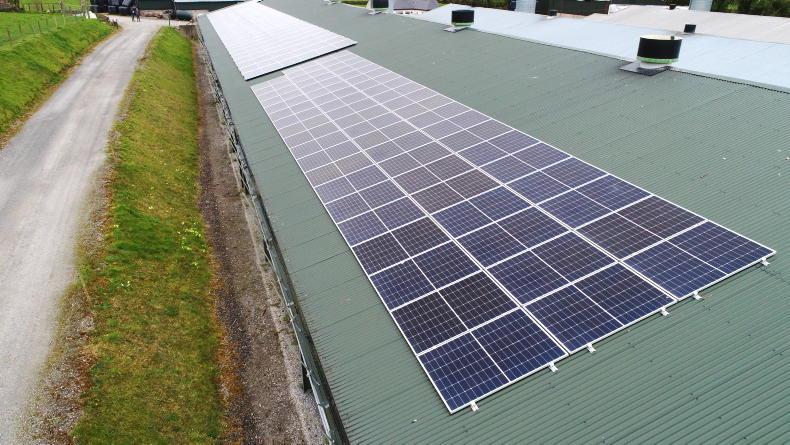
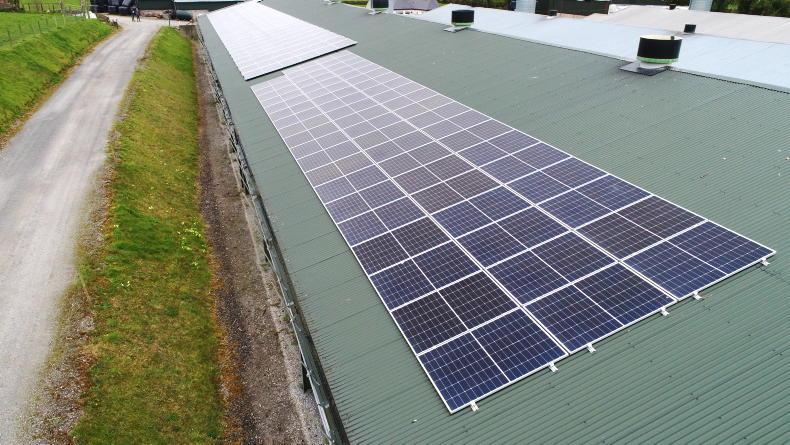
Solar PV will have a significant presence at this year’s Ploughing.
For farmers, one of the big talking points is likely to be the reduced TAMS funding available for solar PV. The event is an opportunity to speak directly with Department of Agriculture representatives about the changes and explain how they are affecting planned investments.
The Sustainable Energy Authority of Ireland (SEAI) will also attend and can advise on its solar supports.
While these differ from the supports previously available through TAMS, they remain relevant to those considering an installation.
There are broader policy questions too. The Small-Scale Renewable Electricity Support Scheme (SRESS) was promoted as a potential diversification opportunity for farmers, but concerns remain over whether tariff levels make projects sufficiently viable.
A significant number of solar suppliers will be on-site.
Anyone seriously considering PV should bring 12 months of electricity bills, or at least know their annual consumption, and get quotes from several suppliers before investing. Among those exhibiting will be Lux Electrical & Renewables, Energy Superstore, Strict Electrical Solar, Glenfield Renewables Ireland, Fáilte Solar, Solarcraft Ltd, Energywise Ireland and OHK Energy. Technologies on display will include solar PV, batteries, EV chargers and associated energy systems.
The Irish Farmers Association will also attend and can offered solar PV systems to attendees in partnership with Bord Gáis Energy.
Solar can be relatively straightforward, but choosing the right supplier requires care. Ask how long the company has operated, who provides after-sales support and exactly what warranties and guarantees apply. Panels are a long-term investment, so choose an installer you believe will be there to support the system in future.
Generation, storage and heat
Battery storage is becoming an increasingly important part of the energy conversation, particularly as electricity tariffs and renewable generation continue to evolve.
MacGen Power Generation Ltd will exhibit generators, VMS boards, lighting towers and battery energy storage systems (BESS).
Red Raven Renewables plans to display three sample battery systems: 24kWh, 50–70kWh and 120kWh units.
Visitors will be able to see how the systems operate, discuss who could benefit and examine their potential electricity savings. The company will also arrange follow-up site visits where appropriate.
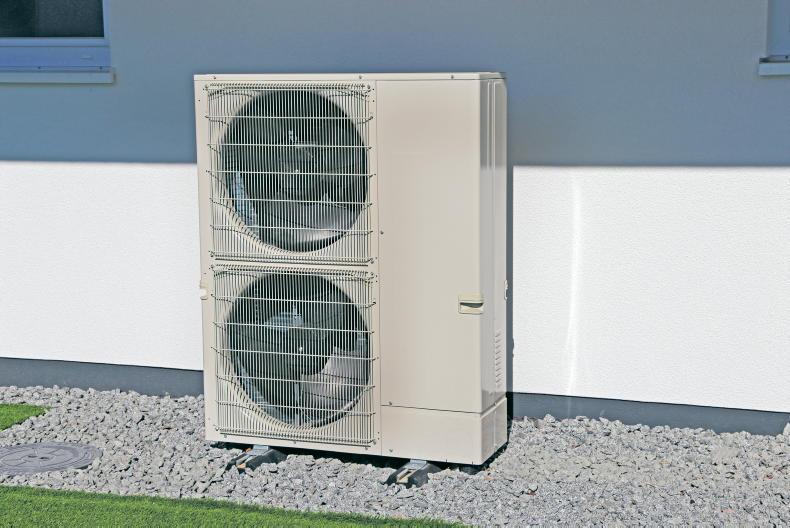
Heating technology will also feature strongly. Dragon Heat Ltd will showcase biomass boilers and autofeeders, while Grant Engineering Ireland ULC will display heat pumps, oil boilers, solar panels and hot water cylinders.
Warmflow Engineering Co. Ltd will showcase air-source and ground-source heat pumps alongside oil boilers and hot water cylinders.
Biomethane and AD
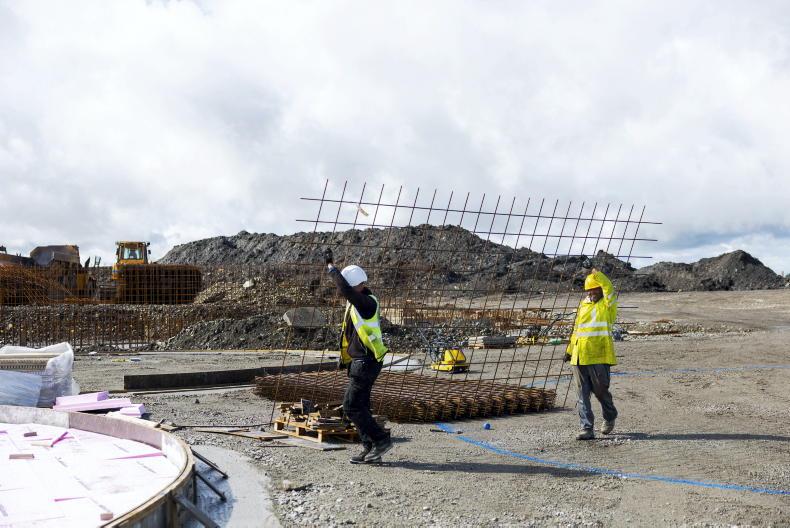
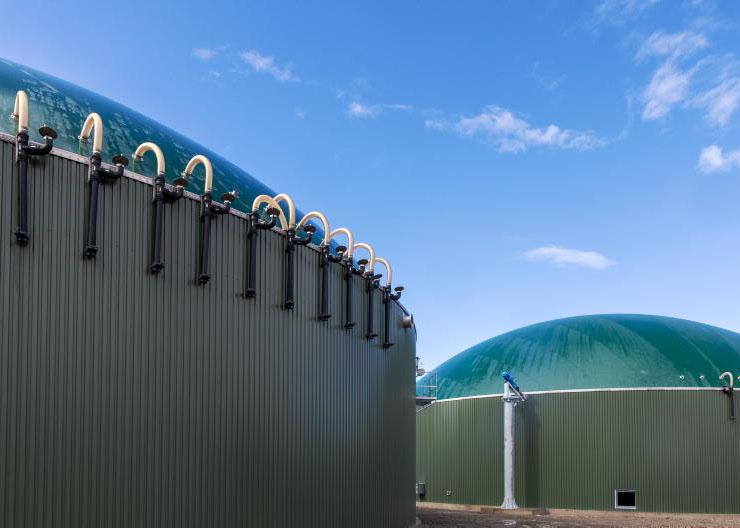
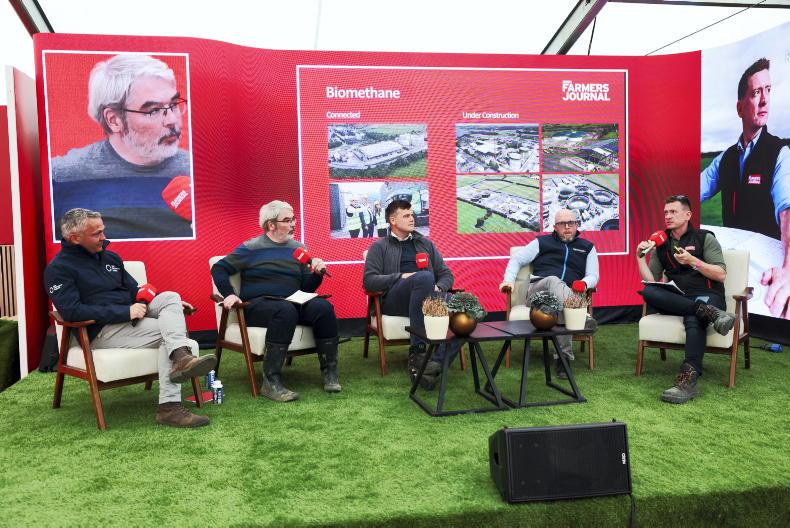
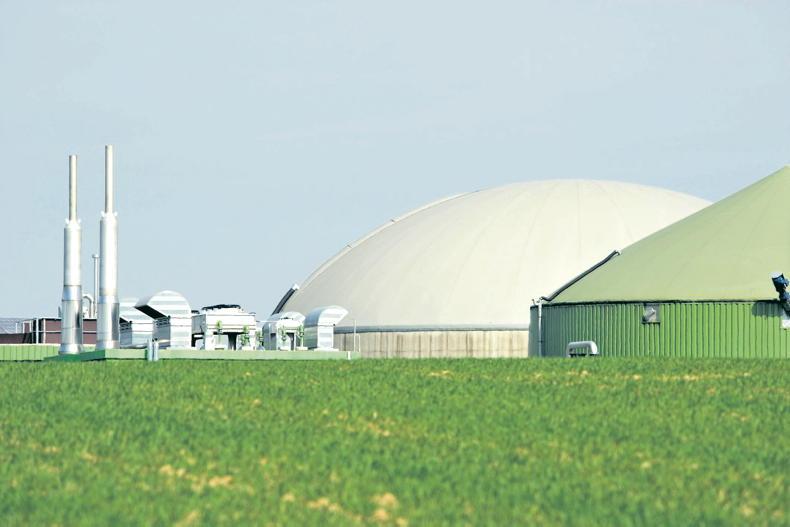
Ireland’s biomethane sector is beginning to move from policy ambition towards actual development, with the first wave of new anaerobic digestion (AD) plants under construction.
That makes this year’s Ploughing particularly relevant for farmers who could become feedstock suppliers, digestate users, site providers or participants in AD projects.
Sourcing feedstock has begun for plants under development. Farmers may increasingly be approached about supplying slurry, manure or crops to AD plants, or taking digestate back for use as fertiliser.
Before committing, understand exactly what you are signing. Contracts should be examined carefully, including pricing mechanisms, duration, feedstock requirements, transport responsibilities, volume commitments and other clauses.
Where developers are attending, the Ploughing is an opportunity to register an interest but, more importantly, to ask detailed questions before entering negotiations. Nephin Renewable Gas, which has significant ambitions for indigenous Irish biomethane production, will be in attendance, as will Gas Networks Ireland.
Those developing AD plants can also meet technology, input and supplement suppliers including Alltech, LintonRobinson, GlasPortBio and Trioliet BV. Teagasc should also be a useful stop for farmers looking for guidance on how AD could fit into farming systems.
More technology on the farm
Renewable technology at the event extends beyond rooftop solar. Connacht Agri Supplies will display equipment including PTO woodchippers, battery-powered cubicle bedding machines, solar cattle feeders and fencers, verge mulchers and solar water pumps. Cheetah Electronics Ltd will showcase its electric fencing range, Mitros will feature renewable energy solutions, while E Vehicle Accessories Ireland will have EV-related equipment.
Solar and wind farms
Utility-scale solar continues to expand, meaning more farmers and landowners are likely to be approached about leasing land.
Renewable developers including Power Capital Renewable Energy, Perigus Energy and BayWa r.e. Ireland will be in attendance, providing an opportunity to find out what developers are looking for in potential sites and what might make land suitable for renewable development.
Wind Energy Ireland will also attend and can answer questions about wind development and the wider sector. An attractive headline rental figure, however, should never be the only consideration when assessing a renewable energy lease.
Tax and succession
Any solar or wind farm lease, or significant agreement with a renewable developer, requires proper legal and tax advice.
Rental income can be attractive, but landowners need to understand the taxation implications, particularly where farm succession is planned.
Long-term leases, options and other agreements can affect how land is transferred and managed for many years. Addressing these issues generally involves legal and accountancy costs. Where a developer is proposing an agreement, it is worth asking whether it will contribute towards these professional costs.
IFAC will have a presence at the event, providing an opportunity to discuss accounting, taxation and succession planning around renewable energy proposals.
Talk to your farm organisation
The National Ploughing Championships are also an opportunity to speak directly with farm organisations about what they are doing on renewable energy policy.
The industry has moved rapidly, but policies still require considerable refinement. As sectors such as AD develop, farmers will need strong representation to ensure fair treatment and balanced negotiations with developers.
Ask your organisation what it is doing on solar, biomethane, grid access, renewable energy supports and land leasing.
Home energy upgrades
The consumer side of the Ploughing is equally relevant to energy.
A range of suppliers will offer home energy and retrofit solutions, including heat pumps, insulation, heating controls and other technologies that may qualify for SEAI support.
With renewable energy companies, advisers, policymakers and farm organisations gathered in one place, the National Ploughing Championships provide a valuable opportunity to compare technologies and get questions answered
SEAI itself will be in attendance. Given the significant funding it administers through home energy schemes, this is an opportunity for face-to-face discussions.
If you are having difficulty understanding a grant, application or eligibility requirement, bring the relevant information and ask about it.
Finance
The main banks operating in Ireland will also be at the event, making it worthwhile to ask about green finance options for farm, business and household energy investments.
The Home Energy Upgrade Loan Scheme provides competitively priced finance for qualifying home energy improvements.
Farmers should also ask lenders about their longer-term approach to agricultural lending as environmental regulations and farm investment requirements continue to change.
Energy and fuel suppliers
Fuel suppliers will also feature, including Certa Ireland, that supplies home-heating oil, agricultural fuels, lubricants, diesel, HVO and AdBlue, as well as solar energy products.
With fuel prices remaining vulnerable to international events and supply disruption, it is worth asking suppliers about both the immediate outlook and the alternatives becoming available to farms and rural businesses.
Don’t overlook safety
Safety will also be highlighted. The Registered Gas Installer (RGI) Scheme will promote the importance of hiring registered gas installers and avoiding illegal gas work, while Safe Electric will highlight the importance of using Registered Electrical Contractors.
This is increasingly relevant as farms and homes install sophisticated electrical systems incorporating solar PV, batteries, EV chargers and heat pumps.
Price matters, but electrical and gas work is not an area in which to cut corners.
Come prepared
With renewable energy companies, advisers, policymakers and farm organisations gathered in one place, the National Ploughing Championships provide a valuable opportunity to compare technologies and get questions answered.
If considering solar, bring your electricity consumption figures. If approached by a solar, wind or AD developer, identify the questions you need answered.
If planning a home retrofit, know your existing heating system and what improvements you are considering.
Above all, don’t rely on one conversation. Compare suppliers, quotes, technologies, finance and professional advice.
Renewable energy is increasingly about much more than reducing emissions.
For farms, homes and rural businesses, it is becoming a question of controlling costs, creating new income opportunities and improving long-term energy security.