



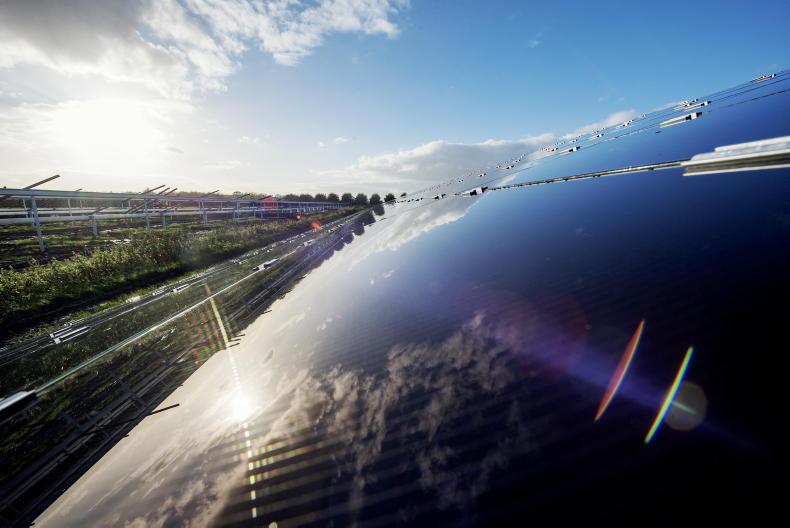
The Micro-Renewable Energy Federation (MREF) has called on the Government to significantly increase investment in micro-generation, arguing that supporting solar PV and battery storage offers far greater long-term value than continuing to subsidise fossil fuels.
Publishing its 2027 pre-budget submission on Monday, MREF said an annual State investment of €100m in grants for renewable energy technologies could unlock around five times that amount in private investment while generating enough clean electricity to power approximately 100,000 homes each year.
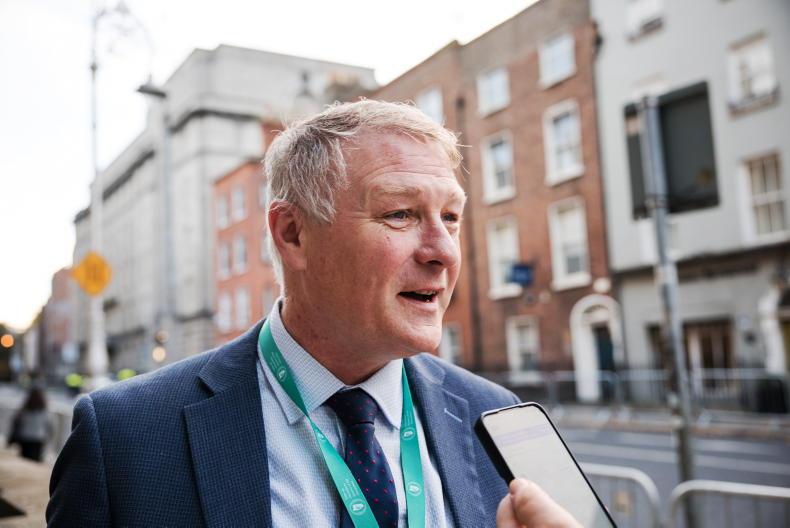
MREF chair Ciaran Kells said the Government is expected to spend more than €1bn subsidising fossil fuel costs by the end of September, providing only temporary relief from volatile energy prices.
In comparison, investing just one tenth of that amount in solar PV and battery storage would deliver decades of renewable energy generation and provide a far greater return for the country, he said.
Kilowatts
According to the MREF, an annual €100m investment would support the generation of up to 500 million kilowatt-hours of renewable electricity each year, while reducing reliance on imported fossil fuels.
The federation also said the proposed investment would be modest compared with the estimated €13bn in annual fines Ireland could face for missing its 2050 emissions reduction targets.
As part of its Budget 2027 proposals, the MREF is seeking increased grants for domestic solar PV systems of up to 6kW and the reintroduction of grant aid for home battery storage.
It is also calling for the retention of existing SEAI supports for businesses installing solar PV and the introduction of grants for commercial battery storage to help reduce electricity costs and improve grid stability.
The organisation said farmers should be a particular focus of the upcoming budget following significant reductions in support through the Targeted Agricultural Modernisation Scheme (TAMS).
Mr Kells said around 90% of applications for TAMS solar grants had been rejected in recent funding rounds due to budget constraints.
He said MREF's proposal to address the shortfall would cost the Exchequer no more than €10m annually, while helping thousands of farmers who had been unable to access grant aid.
Rule changes
The federation is also calling for changes to SEAI grant eligibility rules that currently exclude homeowners and businesses connected to the electricity grid since 2021 from receiving support for micro-generation installations.
Mr Kells described the current eligibility cut-off as unfair, saying it disproportionately affects young families who have purchased homes in the past five years.
The MREF is proposing that all domestic and commercial properties connected to the grid up to the end of 2025 should be eligible to apply for micro-generation grants under the revised scheme.




SHARING OPTIONS