


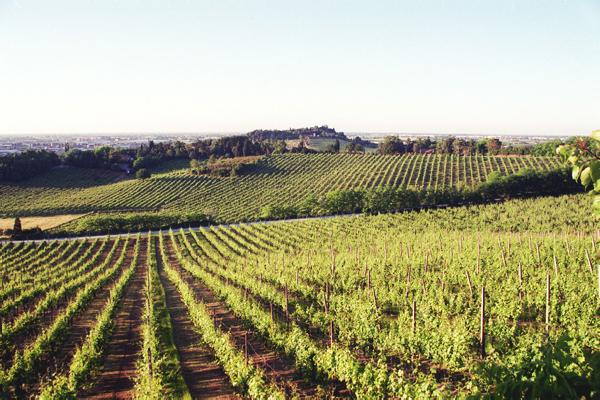
IFA’s county chairpersons got an interesting insight yesterday morning (Wednesday) into the working of another big EU farm union at an event in Rome. I was with the 40-strong group when they visited the HQ of the Coldiretti farm organisation and were addressed by its director of international policy and then its president – after he broke out of important CAP implementation meetings.
The first speaker was Maurizio Reale, a staff member filling a role equivalent to IFA’s soon to be ex-Brussels rep Michael Treacy. He gave the stats on Coldiretti to the interested county chairpersons – it has over 600,000 member farms.
It is divided into 20 regions and has a jaw-dropping 5,700 local offices. It is the largest of Italy’s farm bodies and has strong relationships with all the main players and organisations across the EU and internationally. It has a lengthy and solid working relationship with IFA, he said.
Clearly, its 600,000 paying farmer members expect it to influence EU and international policy to their benefit.
“We got improvements in the CAP negotiations,” Reale said. “But now we have some serious implementation problems.”
Negotiations with the Italian agriculture ministry on these issues were taking place this week, with next week being the deadline for agreement.
The organisation’s elected president, Roberto Moncalvo, stepped out of these same talks to address the visitors. It was obvious the 33-year-old was still in full negotiating mode as he spoke with energy about the difficulties around decoupling issues. He is an auto-engineer, but returned to take over his mother’s 15ha farm. It was in cereals and not viable. He switched to fruit and vegetables and sold directly to consumers. The holding now employs six.
The organisation favours decoupling of EU payments to give farmers maximum freedom, he said. Coupling allow processors and retailers lower prices to farmers, as previously happened with milk and tomatoes. It would mean lower premia and locking farmers into their enterprises. Consequently this week, the organisation was moving towards partial coupling for just two enterprises, albeit key ones: livestock and olive oil.
Other bread and butter priorities for the union were familiar: farmer share of retail price, country-of-origin labelling, Italian-sounding imports, etc. The Coldiretti president answered questions put by the Irish farmers, received a bottle of Jameson from Eddie Downey, in turn handed the IFA president a nice wall plaque and then returned to his talks ahead of a meeting with the farm minister – hard to drink though.
He left the visitors to admire the magnificent decor and historic paintings in Coldiretti’s headquarters in central Rome, built in the 1500s, they were told, “by a family of popes”.
Average farm size in Italy is just 10ha, reflecting the importance of intensive enterprises, such as olive production. Average size on cereal and livestock farms is close to 50ha.



SHARING OPTIONS