


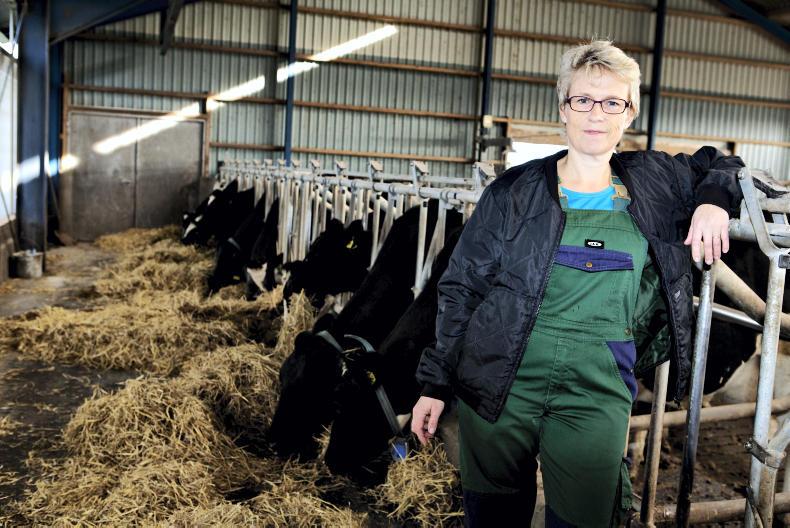
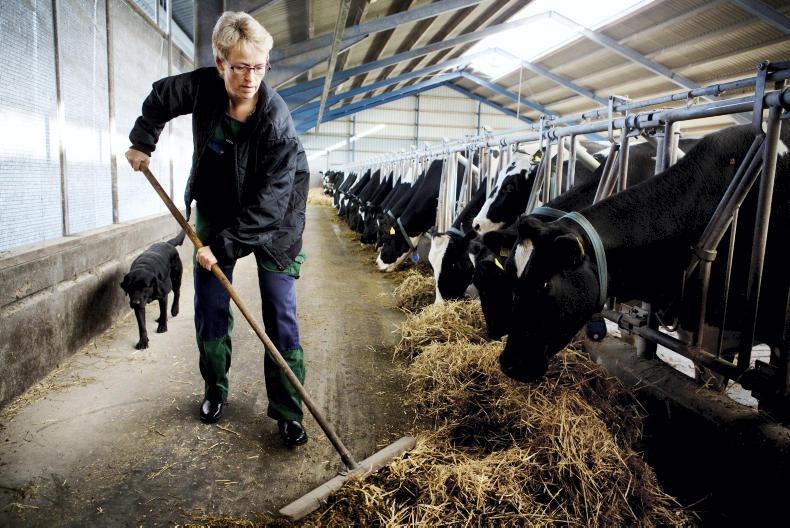
I am an organic dairy farmer in the western part of Denmark. We have Holstein Friesian cows, use two DeLaval robots for milking and have an automatic feeding system.
I am also president of the Danish Family Farmers Association and vice-president of the Danish Agriculture and Food Council.
This year, we have had an extraordinary spring since we almost went directly from winter to summer. Everything grew at lightning speed because of the warm weather and sunshine. Drought set in and through the last five weeks we have been watering with four water canons. We are really praying for rain to set in.
I have been unusually busy working for the various farmers organisations in the last few weeks. I went to Brussels where the new EU regulation on organic farming was finalised, and we are now working to resolve the technical challenges in the regulation regarding – among other things – poultry.
I have also attended a large rally on nature and environment in Denmark. Over the last five months media and politicians have talked more about nature and biodiversity than in the previous 10 years put together. This is because of a study that shows a decline in insects and birds over the last 25 years with the farmers partly to blame.
We as farmers obviously have to contribute to the debate and help turn things around.
Immediately after that I went to Moscow to attend the congress of the WFO together with 150 farmers from 50 nations worldwide. The main topic was the climate challenges. Farming is the business that has been hit the hardest by climate change: drought, flooding and greater swings in temperature.
To some of us in northern Europe it has been beneficial. The Germans have had 18 more days of growth since the 1970s, and it is about the same in Denmark. Therefore, a growing number of farmers are starting to make wine. I think there are up to 70 farmers doing that now.
My speech in Moscow talked about the climate check that Arla conducted on our farm. It is extremely important that farmers and our co-operatives show that we are part of the solution to the global climate challenges, that we are committed to make a substantial and lasting contribution.
It is a privilege to work for the most important profession in the world, farming, but it is also a great obligation. Only if we are granted licence to operate from the rest of the society can we work towards solving challenges to climate, nature and environment and secure a high level of food safety.
It takes a significant EU budget for that to happen and for our governments to work towards finding solutions.
We will only be able to contribute if we have good conditions and only if we have a good image will we get paid sufficiently for our products, so we can make a decent wage and a good life on our farms, and attract young people to our profession.
We just need to tell that it in a way so it is understandable for the voters and politicians. They are the ones who grant us the means and opportunity to produce, so we can do our bit for nature, the environment and the climate.


SHARING OPTIONS