



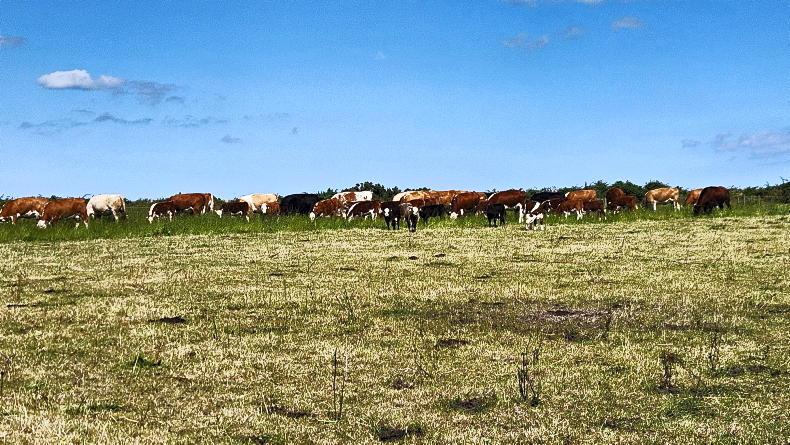
About 20 years ago, we were only a year or two into farming all of where the main block of land is, when we learned, almost the hard way, that every farm is different.
As the crow flies, it’s about 1km from the young stock yard and they may as well have been two different countries. I’ve seen it rain in one yard while the other remains bone dry, and vice versa.
One contains a good chunk of land that is south-facing, sandy and good underfoot most of the year. The other is north-facing and depending on the year, could have a grazing season a month or at times, two, shorter than the home farm.
A neighbour had mentioned how important it was to have bales at the ready any time from May to September at the land closer to the sea and they were proven right quickly.
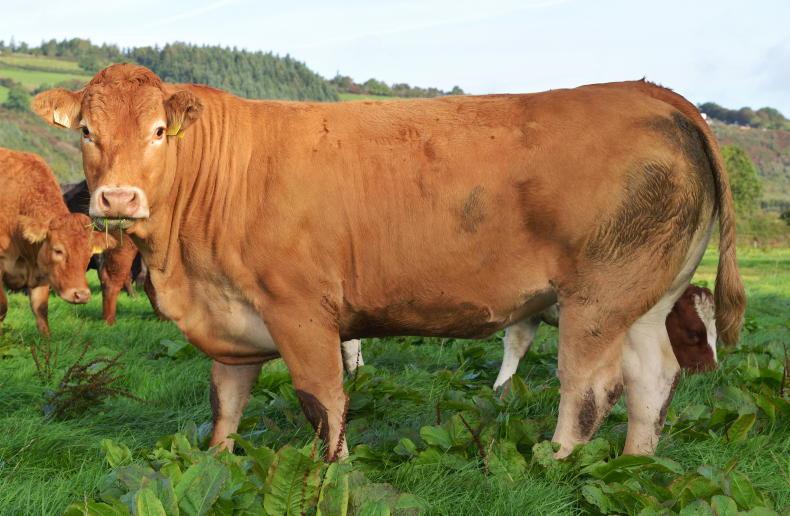
Cattle are very content at the minute and they’re easy enough to manage
I think it was 2007 when we went from mid-July to well into September with no rain. Learnings from then and 2018 have cushioned us from the extremes there.
Cattle are very content at the minute and they’re easy enough to manage. It’s not been routine yet, but the option of hay and silage will go in the mix for most groups from this week, in order to let grass build back up. That will take up a bit of time, but, psychologically at least, it’s so much easier to do that now rather than in the mist and rain.
Bringing them in is a small inconvenience and most cows are in the routine of heading for the shed now, but a few stragglers continue to need persuasion. In previous dry spells, I would have fed silage under the wire or in a round feeder, but trying to feed outside, especially driving through a group to a round feeder, is just choosing misery over convenience. With TB testing ahead in a few weeks, it’s as well to give them an incentive to come into the yard.
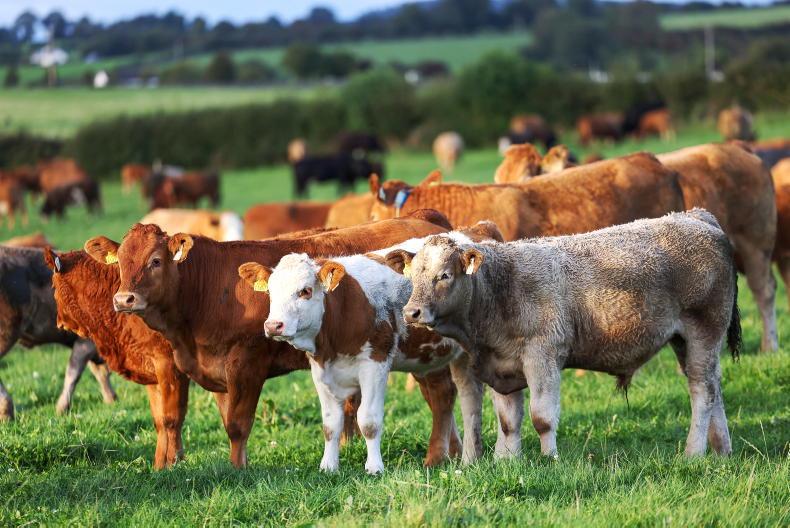
The dairy-beef calves joined the main group of cows and calves a few weeks ago, and they have been useful in training the other calves to come in. When they went out to grass first, I gave them milk in the yard once-a-day for the first week or 10 days, so they were accustomed to walking into the yard with no issue.
It’s much easier to have stock walk to you than having to go out and try and round them up
Due to that, I left the troughs in the yard for their ration. It’s much easier to have stock walk to you than having to go out and try and round them up.
With the cows locked in the shed for an hour, the suckler calves have been picking away at the ration alongside the dairy ones and they’re free to eat at their own pace. I’m in two minds about putting the dairy-beef calves back on their own again because of this.
There’s one other bunch of cows and calves at home and when they return from across the road, I might lean on the dairy ones to do the training again.
There’s no tractor on the out block, so a hill that’s let go strong every summer is the standing hay option there. The heifers will be strip-grazed there and most years that is sufficient to get us out of a pinch on the Ballinascarthy ground.
A circuit of a number of small fields have kept the handful of cull cows and their calves there content too.



SHARING OPTIONS