


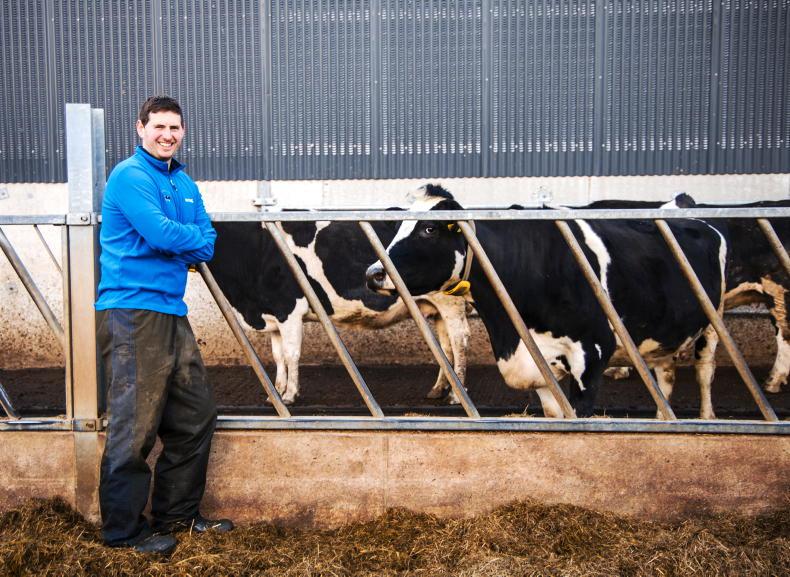
We didn’t get the burst of growth here in Abbeyleix that I was hoping for. Things are back now to mid-30s, maybe hitting 40 at times, and even holding cover is a struggle. I’ve upped the meal to 6kg a head and we’re still feeding out four bales of silage a day – I reckon that’s giving around 7kg of dry matter. That’s helping to keep demand down to 27kg DM/ha, so with a bit of luck growth might just stay ahead of us for a few more weeks.
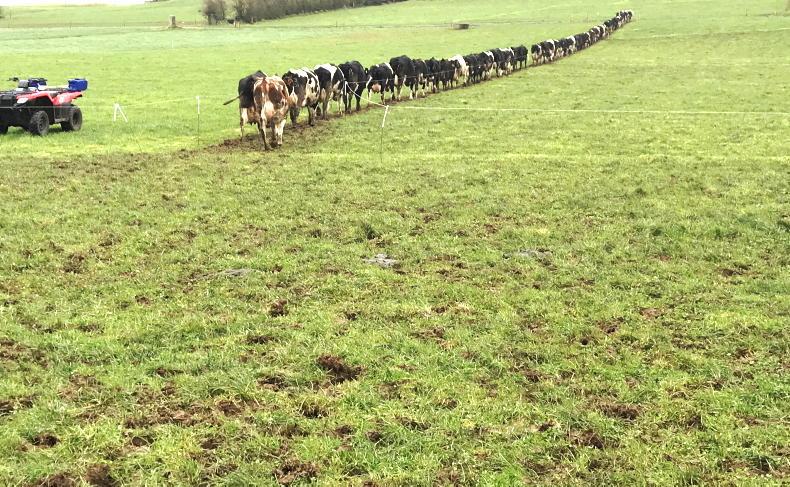
We’re not massively stocked on the milking platform, in my opinion, at 3.32 LU/ha, but still – it goes to show how tight things can get in the autumn if you haven’t silage ground you can pull into the platform. We’ve 33% of the milking platform grazed now, aiming for that 60-70% mark by the 1 November.
With the silage in, unfortunately yield and solids have slipped back. It’s the trade-off, really – if you want to keep cows out, you have to give up a bit somewhere. Yield is down to 18 litres, protein has eased back to around 4.25-4.30%, and butterfat is holding at 5.40%.
The heifers have started their second rotation on the silage block. They’re going well – in top order – bar two that went lame with a swollen foot each. A couple of days on antibiotics and they were right again. Ground conditions are still excellent here, thankfully. I’m hoping they’ll clean it off well, as there won’t be any stock back on it in the spring – it’ll be effectively closed for silage once they come off it.
I got some dung out this week on a paddock that’s now closed until spring. It’s been a poor performer – tested at index 1 for K and has been more yellow than the rest since the back end of the summer. Hopefully the dung gives it a bit of a lift. I’ve the muriate of potash spread too on the low-K paddocks and silage ground.
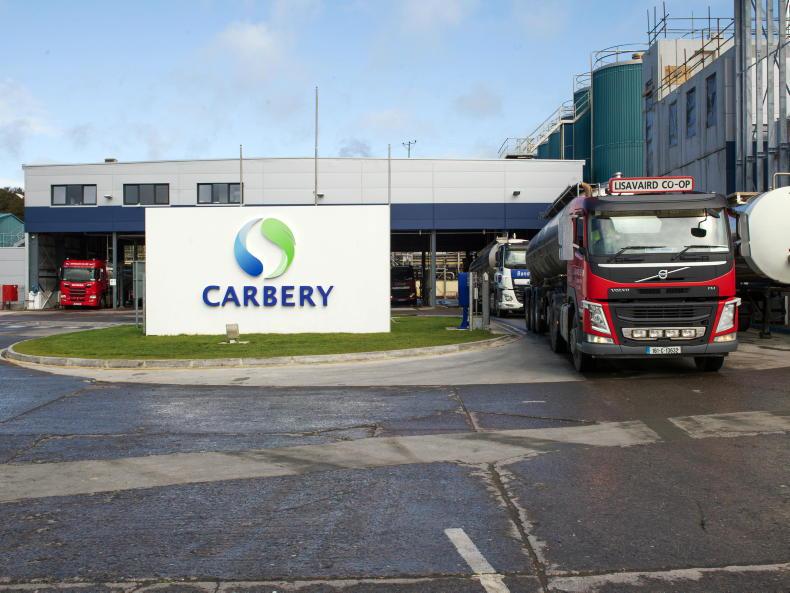
Like plenty of farmers around the country, I was hit hard by the drop in milk price this August. It’s been a good year overall, but the pressure from the environmental side of things is already weighing on us – and then you get a 2.5 to 3c/l cut in one go. It’s hard to swallow.
What’s worse is that most of our costs don’t come down with the milk price – in fact, a few suppliers have already hinted that some products will be going up again in January. That’s the reality we’re dealing with.
The lack of transparency around pricing structures is frustrating. Where is the value going in the supply chain? Farmers are being asked to take cuts while everything else stays the same or rises. There’s a growing appetite for fairness – and rightly so. We need proper communication from processors, more stability in how milk is priced, and support from both Government and industry if we’re to keep going.
We’re not looking for handouts – we’re just asking for a fair price for the top class product we work hard to produce. A bit of security so we can plan ahead without always looking over our shoulder would go a long way.
The uncertainty around the nitrates derogation is adding to it too – moving goalposts and policy changes with little clarity make it all the harder to run a business.
There’s a human cost to all this too – one that’s not talked about enough. The mental strain of a falling milk price is very real. You’re constantly doing the maths in your head, juggling the bills, wondering if the hours and the graft are being recognised at all.
My advice? Talk. Talk to your family, talk to your neighbours, talk to anyone that’ll listen. You’ll soon realise you’re not the only one feeling the pinch. A problem shared won’t pay the co-op bill, but it’ll make the burden a bit lighter.



SHARING OPTIONS