



There’s no one to stand in a gap.” It’s a statement that could be to farming what John Healy’s book titled No One Shouted Stop did for towns in rural Ireland.
I finally got around to reading that book on the author’s home town of Charlestown. Initially written in the late 1960s, I read a reprint from 1988 and while there have been many positive changes since, some of the themes remain the same.
Anyway, back to gaps.
I’ve heard it said more than I’d like this year. Some farmers mentioned it to me directly; other times I’ve just overheard it in a mart, but it’s a revealing admission of the change drifting over the Irish farming landscape.
Moves to fields across the road now have to be planned well in advance
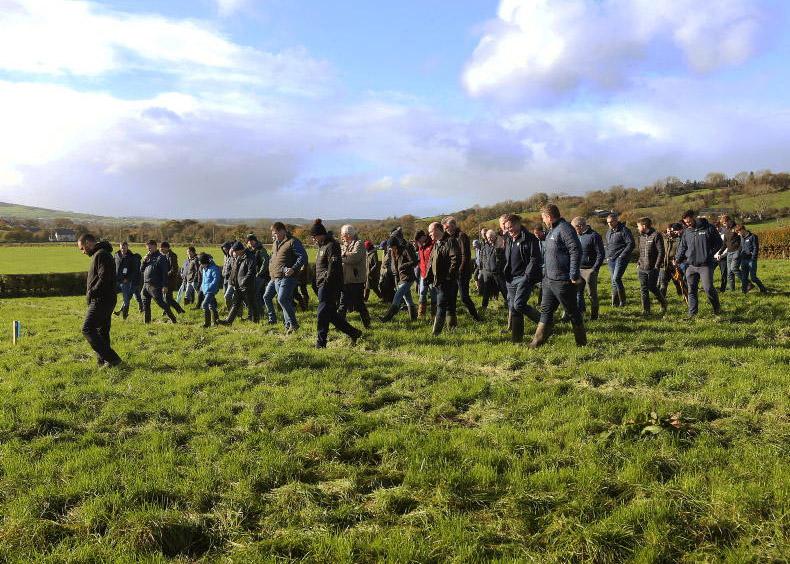
It’s something that isn’t confined to one sector of agriculture either. Right across the spectrum, from the most difficult of hill farms to dairy herds running into a few hundred cows, there’s a slow shift happening before our eyes as the farming workforce shrinks. It’s one that will force the hand of farmers to make changes to adapt.
I know it myself. Moves to fields across the road now have to be planned well in advance to make sure there is somebody else around to give a hand.
Change
Rather than being in the main grazing rotation, those fields now have a slightly different role than 10 or 15 years ago. Adapting the farm to labour and time constraints has been constantly evolving and the hardest part of that is change itself.
If you’re conditioned with years that things are done a certain way, then it’s difficult to change it, or consider changing your system up a bit. Technology will go a bit of the way to solving the issue, but it won’t sort every labour problem.
Droughts
Summer droughts seem to be tracking along on the same four-year cycle in tandem with soccer world cups.
The summers of 2018 and 2022 saw ground dry up at different points in summer. In these parts at least, 2018 was the bigger shock to the system.
It came on the back of the Beast from the East blizzard and a fodder crisis. Silage was made in May and June but then the rain stopped.
It returned in early August and a good autumn allowed for fodder to be made, but I recall that year being a shock to the system and the likelihood of them becoming more regular was accounted for.
I nicked one of the arable silage bales when I started giving silage to cows here and decided to feed it
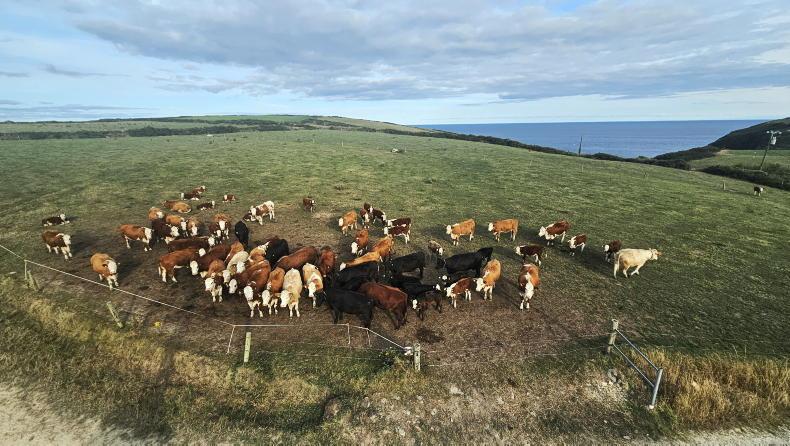
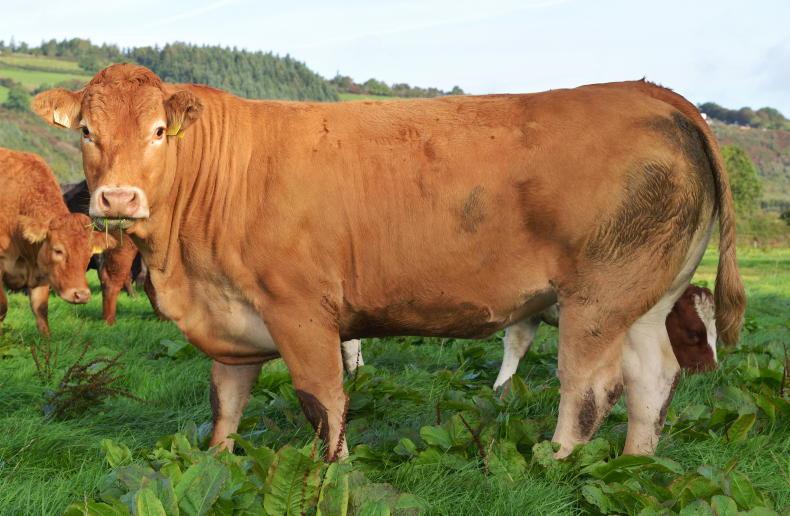
If I had a choice, I’d probably take a dry August over a washout April. There’s more work than usual around here at the moment but once they’re fed, cattle are happy to lie out in the paddock. Stock are in good order and there’s a shine on them.
I nicked one of the arable silage bales when I started giving silage to cows here and decided to feed it. It slowed the intakes considerably so I’ll focus on feeding those bales now.
The speed they went through a grass silage bale was more alarming
They have a good bit of dry matter and the cows are running past me into the shed to get at the oats and peas in them. The speed they went through a grass silage bale was more alarming so this was an accidental but welcome discovery.
Whether it’s the availability of anyone to stand in a gap or dealing with weather conditions that are too dry or too wet, adapting to the prevailing circumstances is the lot of the farmer.
And those circumstances will change. They always do.


SHARING OPTIONS