


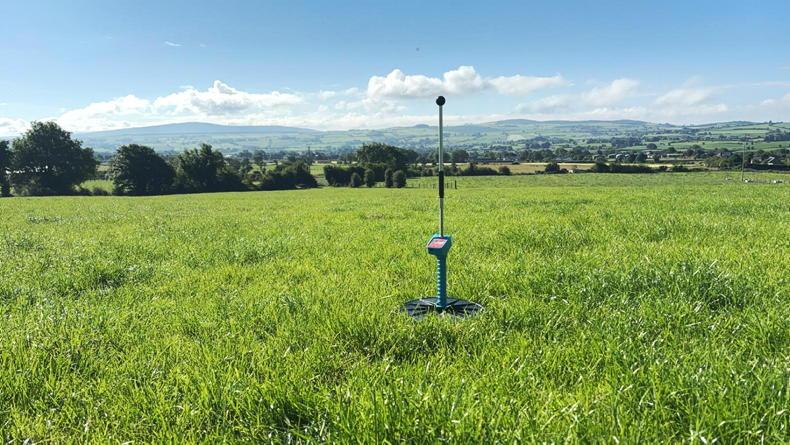
I am probably repeating myself at this stage, but grass growth this year has been exceptional.
Average growth on the farm last week was 82.5kg dry matter per hectare, per day (DM/ha/day). Even at this stage in the grazing season, we are still maintaining a 20 to 21-day rotation, something that is not common for us at this time of year.
While managing covers has been a challenge, with grass often getting ahead of the cows, it’s a good problem to have. Grassland management is never straightforward, so if that’s my only complaint, I’ll gladly take it.
Review
We have carried out a review of the grass grown to date across each field. The average growth across the year so far has been 13t DM/ha. That figure alone is fantastic and with the long-range weather forecast looking ideal for grass, there’s every chance we will exceed the most grass we’ve ever grown in my nine years of measuring.
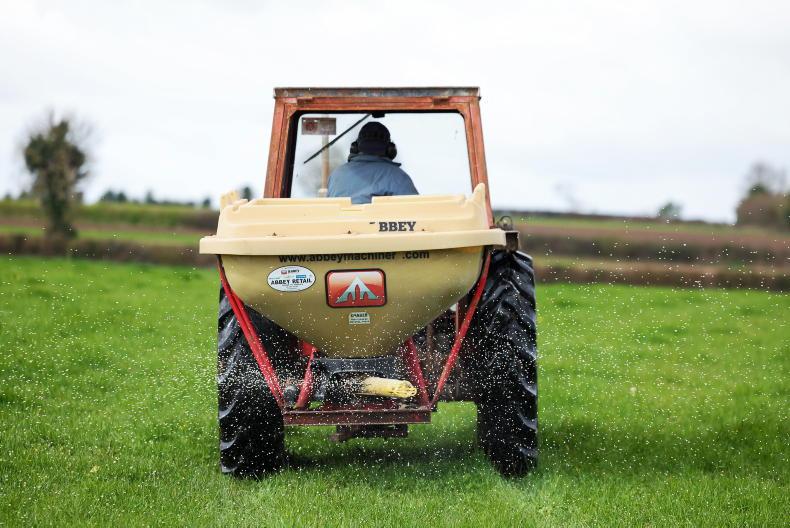
One of the key decisions that helped us reach this point was not cutting back on fertiliser this year, even when we had surplus grass on the grazing block. Our aim was to maximise grass growth and simply ensile any surplus grass. This approach has paid off as we are now planning our third-cut this week, ensiling 30 acres more compared to the previous two years.
While looking into grass growth over the year so far, we identified fields that were underperforming and could benefit from reseeding.
One particular field has only grown 10.8t DM/ha to date, which is 2.2t below the farm average. I find this is where the real value of measuring grass is – identifying the least productive fields. Therefore, I can target reseeding to improve future yields and overall farm efficiency.
The field has been sprayed with glyphosate this week, with the hope of ploughing and reseeding it next week.
Our spring reseed that was disced unfortunately didn’t get off to the best start. The seed germinated during a particularly dry spell and suffered from drought stress. However, it has since bounced back well with its third grazing of the year.
Milk yields
The spring-calving batch experienced a slight dip in milk yield over the past month, but production has now steadied at an average of 27.5l/cow/day.
The autumn-calving batch, on the other hand, has seen a more significant drop and is currently averaging 17 l/cow/day.
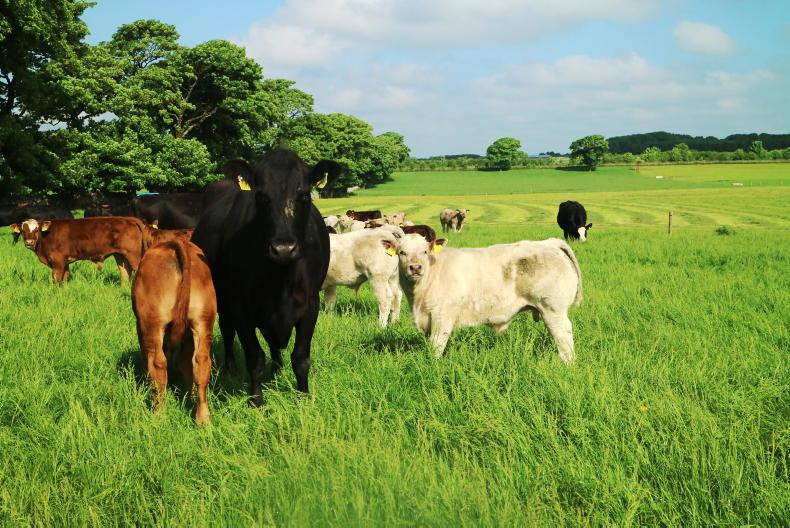
We have begun drying off the autumn batch, with more cows to follow each week. The first 20 dry cows have been moved to the out farm, where they are helping graze off excess grass. These cows will remain on grass until about three weeks before calving – they will then be housed.
We find housing for a few weeks, with the animals receiving the correct pre-calving diet, helps reduce the risk of post-calving issues such as milk fever.
Tested
Before drying off the autumn-calving cows, we tested their final milk recording samples for Johne’s disease.
When this was first done three years ago, there was a surprisingly high number of Johne’s-positive animals, although we have yet to a see significant number of clinical cases on the farm.
After discussing the risks with our vet, particularly how Johne’s can silently infect entire groups of incoming heifers, we decided to take proactive steps to reduce the risk on farm. All milk fed to calves is now pasteurised to reduce the risk of transmission.
Additionally, we aim to calve Johne’s-positive cows separately from the main herd to further limit the spread of infection.



SHARING OPTIONS