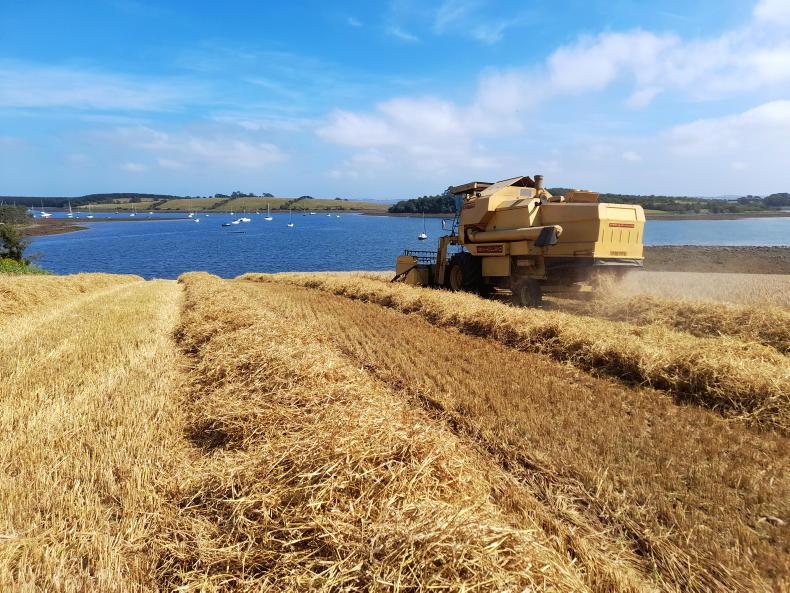
The prolonged spell of dry, warm weather ended at roughly the same time as the harvest in this area.
After that, much-needed rain returned and obligingly fell in suitable quantities, thus ensuring it will be remembered as a heck of a year to be a farmer (so far). We really can’t complain, can we?
Early September saw a noticeable drop in morning temperature, marked by Derek’s now annual search for the various items of clothing abandoned behind tractor seats back in early May.
“Have you seen any of my hats?” I asked my wife. “I was sure I left a wheen o’ them up in the yard a few months ago”.
Susan gave me the old weary, patient look that is usually reserved for someone with a touch of dementia and beckoned me towards the utility room.
Pointing at a well-hidden basket in the corner, she said “There are several in there, washed and waiting for you”. Then she added (somewhat needlessly I thought) “by the way, they smelt revolting”.
Appreciate
When the harvest started, there was no need for hat, coat, or even a light jumper.
Wandering out of the house every morning in shirt sleeves is something to appreciate, and in NI we don’t normally get too many days like that.
More importantly, I cannot recall a spell of weather that allowed us to combine, wuffle, bale, and gather straw without at least a few anxious glances at the forecast.
Cut and baled
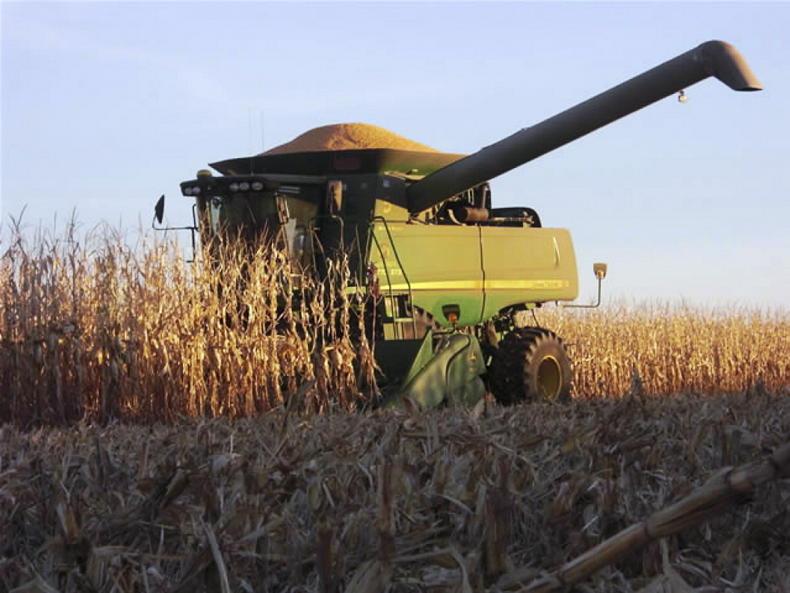
We returned from holidays on 16 August, and spent the following four days cutting, wuffling and baling the barley. On 21 August I carted the straw home and stacked it in the shed.
In addition, the wuffler was requested by a neighbour who wanted the rigs fluffed up where the combine wheels had tramped it flat, meaning my favourite piece of farm machinery got several outings.
The noteworthy point here is not that I got my small area gathered in – it’s the manner of the entire harvest completion that stands out, because everyone in the area was able to plan work for days in advance.
I struggle to remember a year when you could be so relaxed while waiting for a combine, then be even more laid back about the timing of the baler.
There are seasons when the baler must follow the combine up and down the field for fear of broken weather, although nearly all straw benefits from lying a day or more in the sward (anyone who baled wee bales too soon back in the mists of time knows what it’s like to try bedding livestock the following winter with slices of Ryvita).
Yield
In keeping with the theme of ideal farming conditions, the barley yielded 2.95 tonnes per acre at 17% moisture. Eight rounds of straw per acre kept up the feelgood factor.
This is a worn field, so despite plenty of folk recording higher yields, I consider almost 3t/acre to be a fantastic result. It probably was helped by a relatively early sowing date (25 March), although this is often not possible due to the heavy nature of the soil. Last spring (2024), the same field didn’t get planted until 15 May.
Price
I suppose the only fly in the ointment concerns the poor price for wheat and barley – although a very rough calculation tells me that I will have a healthy margin, but then everything is relative.
I wasn’t expecting a good yield (it didn’t look overly heavy), everyone was talking about the bad prices, and so I had sort of written off the cereal growing as a bit of a loss.
Perhaps I should also mention that my accounting was done by guessing the valuation of both grain and straw. Perhaps when the cheque comes in, I’ll have to recalculate.