



Gordon D’Arcy, Tigh-Na-Riasc, Killeenaran, Kilcolgan, Co Galway
DEAR SIR: In response to comments by Donal Magner in the article “Livelihood concerns over hen harrier designate areas” (Farmers Journal, June 2014), where he quotes from my book The Guide to the Birds of Ireland (IWP, 1981), connecting the proliferation of hen harriers with forestry, I feel that some clarification is required on my part.
Firstly, I believe that compared with today, Ireland’s uplands in the 1970s offered a more diverse range of habitats for our flora and fauna.
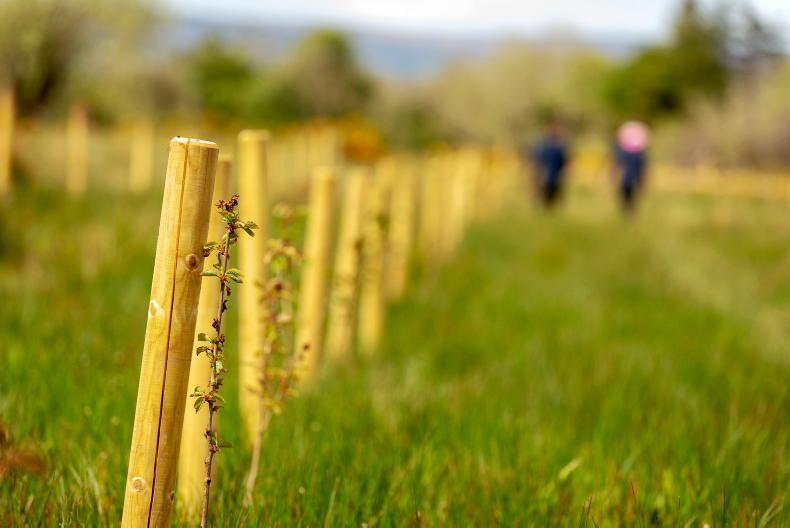
The subsequent widespread transformation of these regions – gorse-covered hillsides, unfenced commonages, etc – under new EU grant schemes reduced habitat availability to many species, including the hen harrier. Newly-planted forestry thus offered relatively secluded breeding habitats for harriers at a time when alternatives were needed. From my own experience of working in forestry at the time, hen harriers were breeding in a number of such localities in east Wicklow and Wexford. The new plantations were thus clearly facilitating the proliferation of the hen harrier at the time. Secondly, hen harriers were not to be found in “worked” or mature plantations.
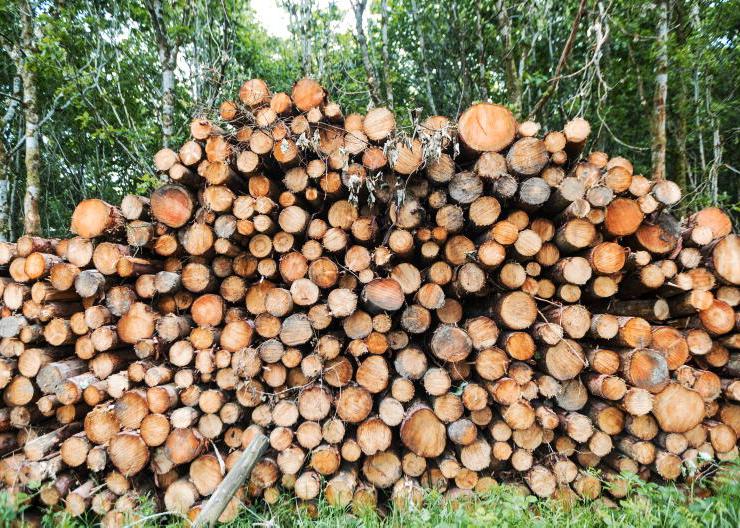
In the Slieve Aughty’s for instance, not far from where I live, I regularly encountered harriers in or around areas of new plantations in the 1980s, but not at all since they have matured, even to thinning stage.
I am aware also of the abandonment by harriers of similar mature forest regions elsewhere. So while young plantations worked initially in the harriers’ favour, the opposite has been the case with the blanketing of large swathes of our uplands with mature forestry. I hope that these remarks help clarify the situation.




SHARING OPTIONS