As Budget 2026 looms, speculation is growing that the
mushrooming cost of the TB eradication programme could see funding for some
beef and sheep schemes cut.
Minister for Agriculture Martin Heydon and his Department have
been making ominous sounds about the rising cost of TB and how it is impacting
on his decisions on the overall funding levels for the agriculture sector.
On Friday, Minister Heydon said TB was the biggest challenge
in his budget and that he did not want to see the cost of TB escalating every
year, because he wanted to spend money on other areas to support farmers.
“It’s crisis time for TB, it needs to be nailed and we need
to protect those that don’t have it and support those that do. To get the full
funding for TB, pressure is on other schemes,” a source in the Department of
Agriculture told the Irish Farmers Journal in recent days.
So are these warnings all part of an attempt to cool farmers’
expectations from Budget 2026 or is TB becoming an unbearable draw on farming
funding?
Figure 1 shows of the real figures behind TB over the last
seven years.
Between 2019 and 2024, the direct cost of the TB programme
to the Department of Agriculture (excluding Department staff) rose from some €37.54m
in 2019 to €100.6m last year. That was almost a three-fold increase in five
years.
The figure for 2025 is even more alarming. By the end of
August this year, the Department of Agriculture had spent €69m on the TB
programme and was within touching distance of its own full-year planned budget
of €73.5m.
Back in June, the principal officer of the Department’s
disease eradication section Conor O'Mahony said he expected TB costs to rise
to €130m in 2025, if current disease levels continued.
He forecast the cost to rise even further next year, saying:
“With existing disease levels and existing controls, we would be talking about
€170m or €180m.”
The European Commission, which contributed as much as €12.7m
10 years ago, is no longer contributing anything to Ireland’s eradication programme.
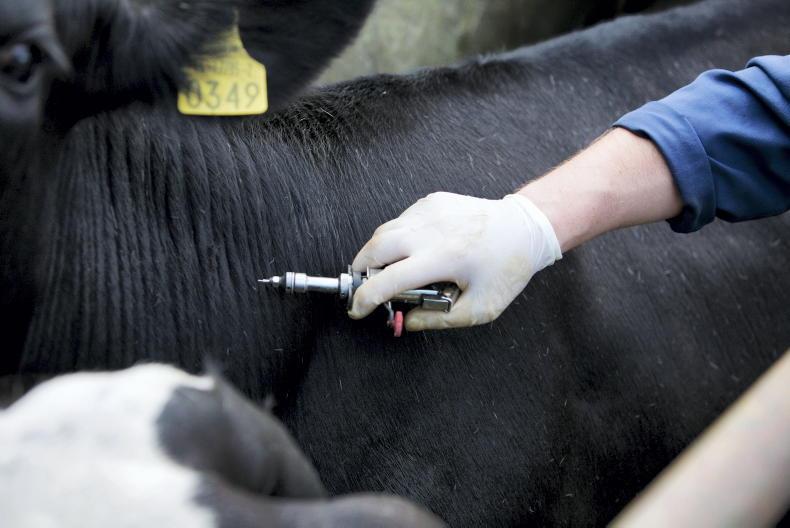
TB testing costs farmers €150m per year according to an IFA-comissioned report by Ifac. \ Donal O'Leary
Farmer funding for the programme, collected via TB levies on
meat factory and milk cheques, has remained relatively steady at between €7m and
€8m in the last seven years.
However, that figure does not account for the massive on-farm costs of the TB programme for farmers.
Earlier this year, an Irish Farmers' Association-commissioned study by Ifac concluded
that TB testing costs farmers over €150m - some €93m of this going on farmers’
own labour and vets fees for TB testing.
Taking the farmers’ costs of €150m and estimated Department outlay
of €130m, TB is set to cost at least €280m in 2025.
That’s the equivalent of 10 National Beef Welfare Schemes.
Meanwhile, the incidence of TB continues to grow.
Herd incidence has soared from 3.72% in 2019 to 6.4% by
mid-2025.
As Budget 2026 looms, speculation is growing that the
mushrooming cost of the TB eradication programme could see funding for some
beef and sheep schemes cut.
Minister for Agriculture Martin Heydon and his Department have
been making ominous sounds about the rising cost of TB and how it is impacting
on his decisions on the overall funding levels for the agriculture sector.
On Friday, Minister Heydon said TB was the biggest challenge
in his budget and that he did not want to see the cost of TB escalating every
year, because he wanted to spend money on other areas to support farmers.
“It’s crisis time for TB, it needs to be nailed and we need
to protect those that don’t have it and support those that do. To get the full
funding for TB, pressure is on other schemes,” a source in the Department of
Agriculture told the Irish Farmers Journal in recent days.
So are these warnings all part of an attempt to cool farmers’
expectations from Budget 2026 or is TB becoming an unbearable draw on farming
funding?
Figure 1 shows of the real figures behind TB over the last
seven years.
Between 2019 and 2024, the direct cost of the TB programme
to the Department of Agriculture (excluding Department staff) rose from some €37.54m
in 2019 to €100.6m last year. That was almost a three-fold increase in five
years.
The figure for 2025 is even more alarming. By the end of
August this year, the Department of Agriculture had spent €69m on the TB
programme and was within touching distance of its own full-year planned budget
of €73.5m.
Back in June, the principal officer of the Department’s
disease eradication section Conor O'Mahony said he expected TB costs to rise
to €130m in 2025, if current disease levels continued.
He forecast the cost to rise even further next year, saying:
“With existing disease levels and existing controls, we would be talking about
€170m or €180m.”
The European Commission, which contributed as much as €12.7m
10 years ago, is no longer contributing anything to Ireland’s eradication programme.

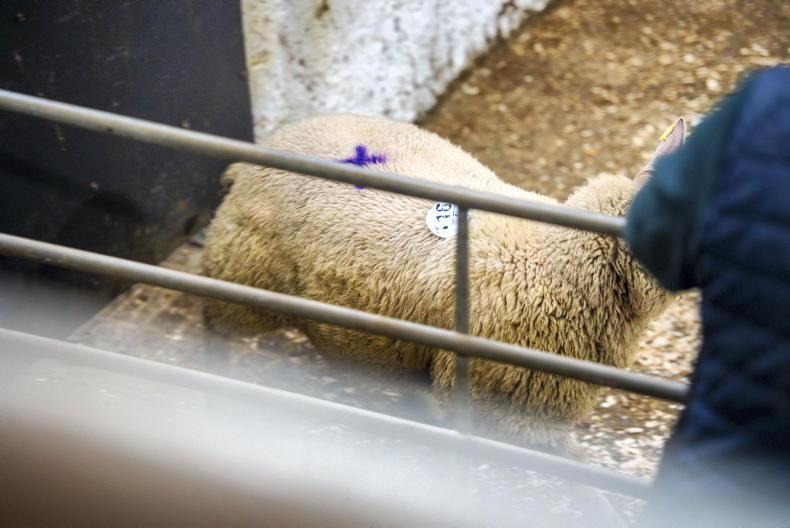
TB testing costs farmers €150m per year according to an IFA-comissioned report by Ifac. \ Donal O'Leary
Farmer funding for the programme, collected via TB levies on
meat factory and milk cheques, has remained relatively steady at between €7m and
€8m in the last seven years.
However, that figure does not account for the massive on-farm costs of the TB programme for farmers.
Earlier this year, an Irish Farmers' Association-commissioned study by Ifac concluded
that TB testing costs farmers over €150m - some €93m of this going on farmers’
own labour and vets fees for TB testing.
Taking the farmers’ costs of €150m and estimated Department outlay
of €130m, TB is set to cost at least €280m in 2025.
That’s the equivalent of 10 National Beef Welfare Schemes.
Meanwhile, the incidence of TB continues to grow.
Herd incidence has soared from 3.72% in 2019 to 6.4% by
mid-2025.
SHARING OPTIONS