The national cattle herd continues to contract with lower birth registrations, continued decline in the national suckler and dairy herds and higher live exports all feeding into lower numbers. The latest calf birth registration statistics published by the Irish Cattle Breeding Federation (ICBF) shows that, at 2.118m head, there were 54,396 fewer calves registered to date in 2025 compared to the corresponding period in 2024.
Birth registrations to beef cows are running at 619,360 head, equating to a reduction of 22,958 head. This is below the trend seen in recent years when births were running upwards of 40,000 head lower. While birth registrations to dairy cows of 1,498,830 are running 31,438 head lower.
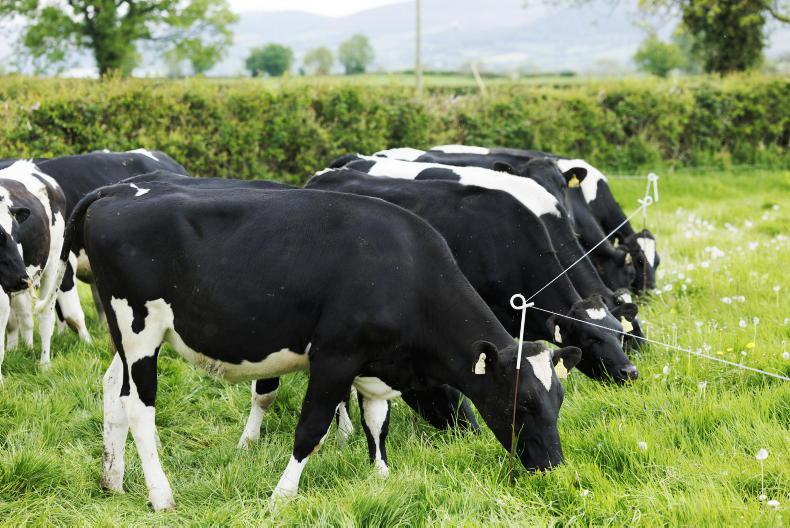
It is probable that there will be further contraction in the national dairy herd with over 65,000 fewer dairy replacements on farms. \ Donal O'Leary
Cattle herd
An analysis of the latest animal identification and movement data published by the Department of Agriculture shows 233,447 fewer cattle on farms on 1 August 2025, with the national cattle herd standing at 6.72m head. The decline in the suckler herd is still trending in the wrong direction with 38,806 fewer cows on farms.
This is marginally below the decline trend seen in recent years. The number of suckler cows stood at 760,530 head on 1 August, as detailed in Table 1.
The number of dairy cows on farms at 1.56m head was 21,978 head lower than 12 months previous. It is probable that there will be a further decline in the dairy herd with the number of replacements on farms recorded at 579,551 head and running 63,533 head lower than on 1 August 2024 as detailed on Table 2.
Beef cattle
The number of beef cattle on farms is also trending at a much lower level. There were 68,899 fewer dairy males on farms with almost 30,000 of these aged less than 12 months of age, with over 16,500 fewer males aged 12 to 24 months and 17,491 fewer dairy males aged 24 to 30 months. The reduction in numbers is a feature of greater use of sexed semen and higher live exports of calves in the last two years.
Increased use of sexed semen has boosted the number of beef animals in the three to six month age bracket with almost 30,000 more animals in the three to six month age bracket. Later calving is also having an influence on this figure. The tightness in the supply of beef animals destined for slaughter is well documented and is almost certain to continue with over 50,000 fewer animals aged from 24 to 36 months of age on farms on 1 August as demonstrated in Figure 1.
There was over 30,000 fewer cattle aged from 18 to 24 months of age and another 30,000 decline in animals aged from six to 18 months of age.
Live exports
Higher numbers of cattle exported live is also having an influence on cattle numbers in the beef supply chain. The number of cattle exported live up to the end of 2025 is running at 319,936 head which equates to an increase of 13,454 head or 4.4% compared to the corresponding period in 2024.
The greatest change has been recorded in calf exports with 25,727 head or 13.1% more calves exported or a total of 222,676 head. This is compensating for lower exports of finished animals where 32,691 head, or 5,813 fewer animals have been exported.
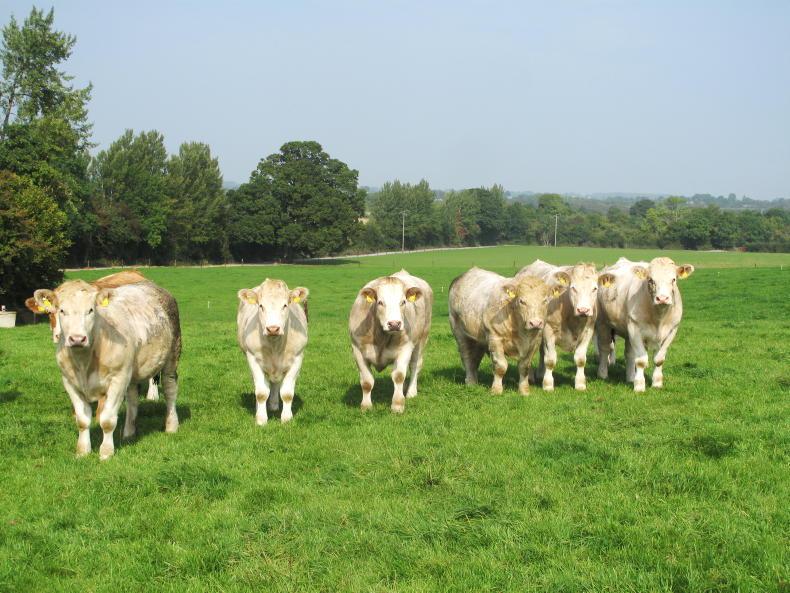
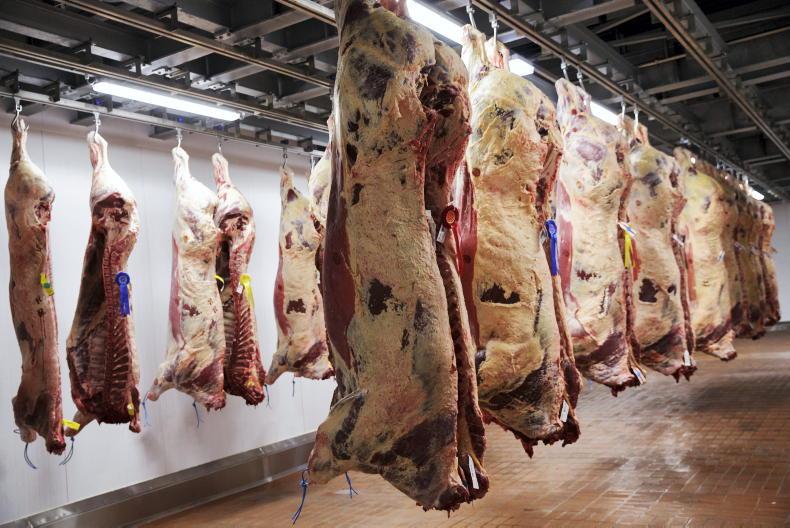
Beef supplies will remain tight with over 50,000 fewer animals aged from 24 to 36 months on farms on 1 August.
This is closely followed by store cattle exports of 29,452 head (down 4,995 head) while weanling exports of 35,117 head are running 1,465 head lower. In real terms exports are running at a higher level if taken as a percentage of the available supply of cattle in the market place.
The national cattle herd continues to contract with lower birth registrations, continued decline in the national suckler and dairy herds and higher live exports all feeding into lower numbers. The latest calf birth registration statistics published by the Irish Cattle Breeding Federation (ICBF) shows that, at 2.118m head, there were 54,396 fewer calves registered to date in 2025 compared to the corresponding period in 2024.
Birth registrations to beef cows are running at 619,360 head, equating to a reduction of 22,958 head. This is below the trend seen in recent years when births were running upwards of 40,000 head lower. While birth registrations to dairy cows of 1,498,830 are running 31,438 head lower.
It is probable that there will be further contraction in the national dairy herd with over 65,000 fewer dairy replacements on farms. \ Donal O'Leary
Cattle herd
An analysis of the latest animal identification and movement data published by the Department of Agriculture shows 233,447 fewer cattle on farms on 1 August 2025, with the national cattle herd standing at 6.72m head. The decline in the suckler herd is still trending in the wrong direction with 38,806 fewer cows on farms.
This is marginally below the decline trend seen in recent years. The number of suckler cows stood at 760,530 head on 1 August, as detailed in Table 1.
The number of dairy cows on farms at 1.56m head was 21,978 head lower than 12 months previous. It is probable that there will be a further decline in the dairy herd with the number of replacements on farms recorded at 579,551 head and running 63,533 head lower than on 1 August 2024 as detailed on Table 2.
Beef cattle
The number of beef cattle on farms is also trending at a much lower level. There were 68,899 fewer dairy males on farms with almost 30,000 of these aged less than 12 months of age, with over 16,500 fewer males aged 12 to 24 months and 17,491 fewer dairy males aged 24 to 30 months. The reduction in numbers is a feature of greater use of sexed semen and higher live exports of calves in the last two years.
Increased use of sexed semen has boosted the number of beef animals in the three to six month age bracket with almost 30,000 more animals in the three to six month age bracket. Later calving is also having an influence on this figure. The tightness in the supply of beef animals destined for slaughter is well documented and is almost certain to continue with over 50,000 fewer animals aged from 24 to 36 months of age on farms on 1 August as demonstrated in Figure 1.
There was over 30,000 fewer cattle aged from 18 to 24 months of age and another 30,000 decline in animals aged from six to 18 months of age.
Live exports
Higher numbers of cattle exported live is also having an influence on cattle numbers in the beef supply chain. The number of cattle exported live up to the end of 2025 is running at 319,936 head which equates to an increase of 13,454 head or 4.4% compared to the corresponding period in 2024.
The greatest change has been recorded in calf exports with 25,727 head or 13.1% more calves exported or a total of 222,676 head. This is compensating for lower exports of finished animals where 32,691 head, or 5,813 fewer animals have been exported.
Beef supplies will remain tight with over 50,000 fewer animals aged from 24 to 36 months on farms on 1 August.
This is closely followed by store cattle exports of 29,452 head (down 4,995 head) while weanling exports of 35,117 head are running 1,465 head lower. In real terms exports are running at a higher level if taken as a percentage of the available supply of cattle in the market place.






SHARING OPTIONS