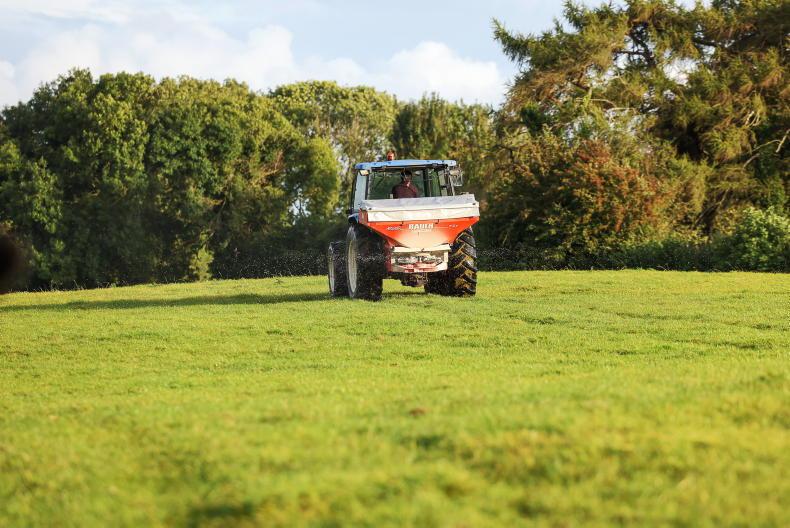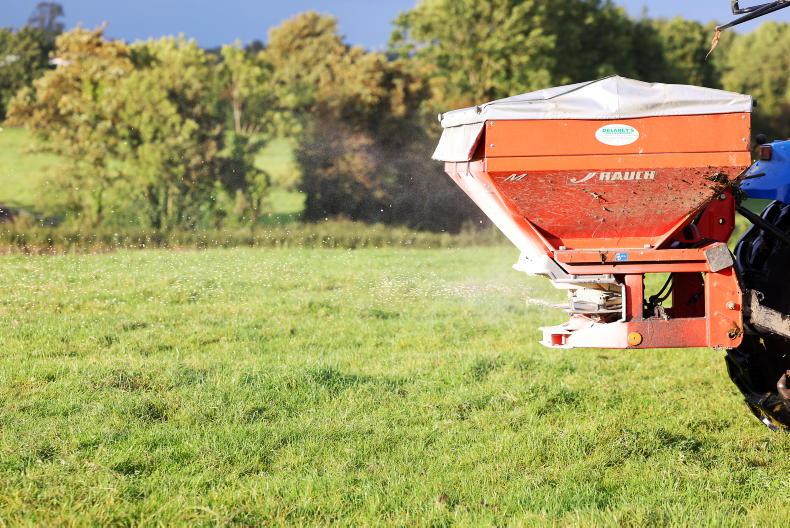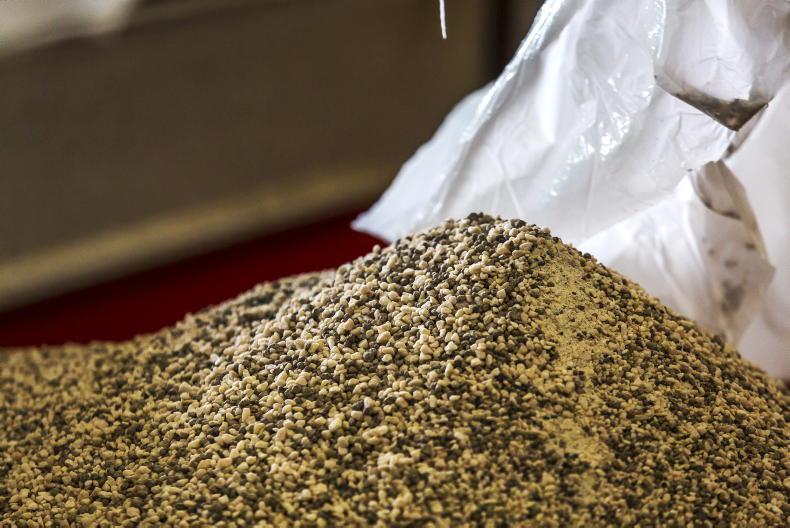
Farmers in the southeast should leave the fertiliser in the shed until the rains start falling and ground begins to recover from the severe drought, Paul Colgan, an agronomist with Brett Brothers, has advised.
Spreading chemical fertiliser on parched grassland increased the risk of fertiliser poisoning and other issues, he warned.
“We need to get at least a week’s rain in Kilkenny and Carlow before farmers consider spreading fertiliser,” Colgan insisted.
Doubling down on warnings issued by Teagasc, Colgan maintained that spreading fertiliser on the back of forecasts or rumours that rain might be coming in the next week or 10 days was a “complete and utter waste of time”.
“There’s been a build up of organic nitrogen in the soil over the last six or seven weeks, and this must be taken up by the grass before chemical fertiliser is applied,” he explained.
“Once you see a small bit of growth in your grass from the rain, then go out and spread your fertiliser, but don’t go out on the pretext that there’s rain coming.
“In 2018, we had a huge amount of nitrogen poisoning in grass, and urea build up in milk as well,” the agronomist pointed out.
This was because farmers went out and spread chemical fertiliser on ground that was still impacted by drought, Colgan said.
“We don’t want that to happen again,” he added. “Definitely if you want to go out with a bit of watery slurry on ground, absolutely no problem there, but keep the fertiliser in the shed for the moment.”