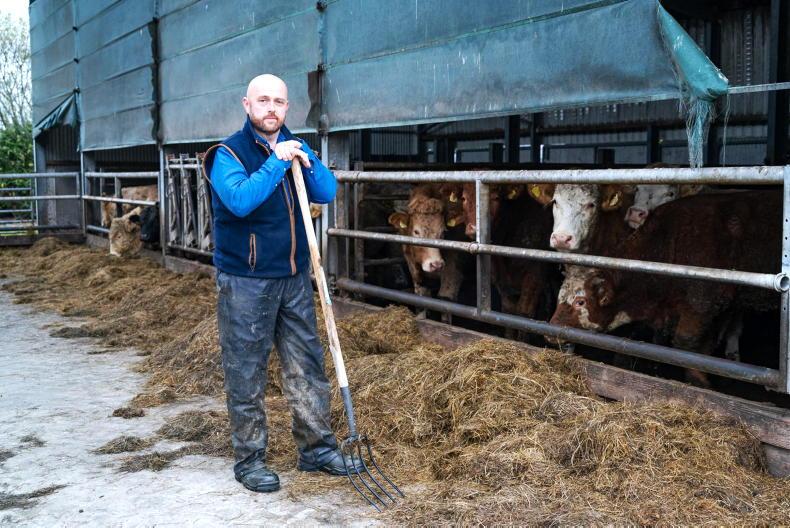
Every year, a wide section of Irish society beyond farming embraces agriculture and the rural life for a few days in the middle of September. Tens of thousands of people, with those who milked the cows and checked the cattle and sheep before getting on the road, mingling with those whose notion of farming may be driving a large 4x4, for which parking at the ploughing will be its only off-road experience in the year. Mainstream media will set up and broadcast from the location for the duration.
COP 31
The annual Conference of the Parties or COP event is an annual gathering of the parties, 197 countries plus the EU, that are members of the United Nations Framework Convention on Climate Change. This was set up in the early 1990s to formulate an international approach to tackling climate change and has since met annually, the 31st such gathering is currently taking place in Turkey and will run until this coming Friday. It is an eclectic gathering of people, usually with a strong political presence and a plethora of non-governmental agencies or NGOs as they are commonly referred to, and multiple lobby groups. Global media organisations are also there in force including our own RTE.
Cynics are dismissive of these annual gatherings in different locations around the world which for most people attending require a considerable amount of air travel and generation of emissions to get there. One of the few positive legacies from COVID is that there are very few people now that aren’t familiar with face-to-face calls and meetings onscreen through their phone or laptop. If farmers are able to participate in their local mart through MartBids, then a global conference on climate could also be held this way.
Yet while farmers are happy to keep an eye on their mart or several marts on their phone, most will say that nothing beats being there, just as the advert for attendance in person at GAA matches does. The same point can be made about participation in a global event about important issues and most people now accept that climate change is an important issue. The “in person” attendance and participation enable the building of relationships and picking up nuances in a way that even the best online meeting never can.
Other priorities have leap-frogged climate
The wider question, however, has to be is how can the countries of the world successfully address a worldwide issue like climate change at a time of widespread international conflict and open disregard for global institutions particularly the United Nations. Political minds and increasingly budgets are preoccupied with the immediate matters of defence since the Russian invasion of Ukraine in February 2022. That was followed by conflict in the Middle East which now involves several countries at different levels of engagement but all focused on their defence as the most immediate issue they face, not climate change. In Ireland as we prepared to host this week’s major summit of European leaders, we have observed cyber-attacks ranging from interference with supermarket fridges to bomb threats on airplanes.
At the start of this decade, tackling climate change was widely promoted as the most important issue of the current age. Many countries, including Ireland, participated in a climate race to see who could set the most ambitious targets for the reduction of emissions in the road to the holy grail of net zero. Little thought was given to the practicalities of how these might be achieved and now many governments are quietly looking for ways to walk back these targets without losing face. The pushing back of the deadline to end the registration of petrol and diesel cars in favour of only electric vehicles (EVs) is a good example of this.
Irish farmers and the wider agri-food industry are well aware of what the climate change legislation meant for output from Irish farms to deliver the required reduction in emissions. There are now just three full years left until 2030 and most sectors of the Irish economy are behind on where they need to be.
Global problem needs global solution
Of course tackling climate change on an individual country by country basis is an haphazard way to tackle a global problem. It is a bit like a farmer who meticulously cuts and treats the weeds in every field on the farm. This is the right thing to do but is only effective in preventing their spread if all the neighbours do the same. Even if most farmers do the right thing, all it takes is one or two farmers to opt out and the weed problem will remain in the area, spread from the fields that weren’t maintained.
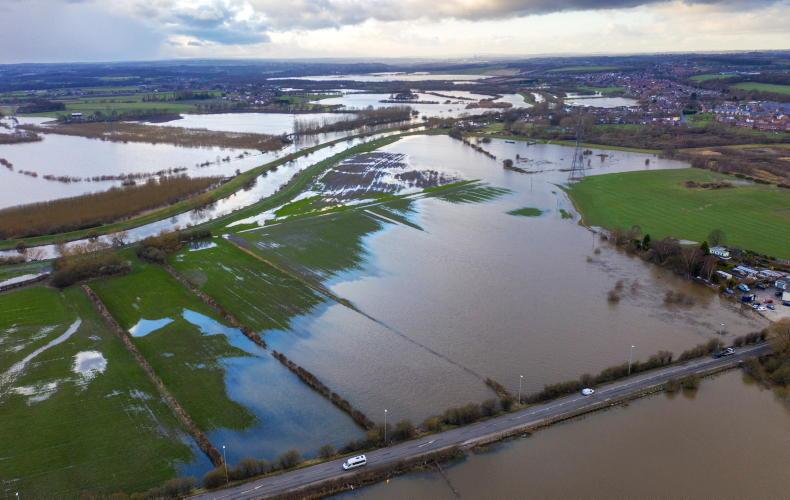
Tackling climate change is a global challenge and needs to be addressed on a global basis in an international forum. In the current era of conflict and instability this challenge is much greater than it was in what now seems like a golden age of global collaboration in the early 1990s after the fall of the Berlin Wall. The focus on climate probably peaked at the start of this decade, notwithstanding the attention heatwaves and drought experienced by many, including Irish farmers, received this past summer. Climate change isn’t something that we can choose to ignore and we can all at a personal and business level make choices that will reduce our emissions. For farmers many of these choices have the added benefit of making the farm more efficient in the process. However, when it comes to policy formation at a wider level, that needs to be done at a global level and in this context the coming together of countries annually is actually a better use of resources than it might at first appear.