



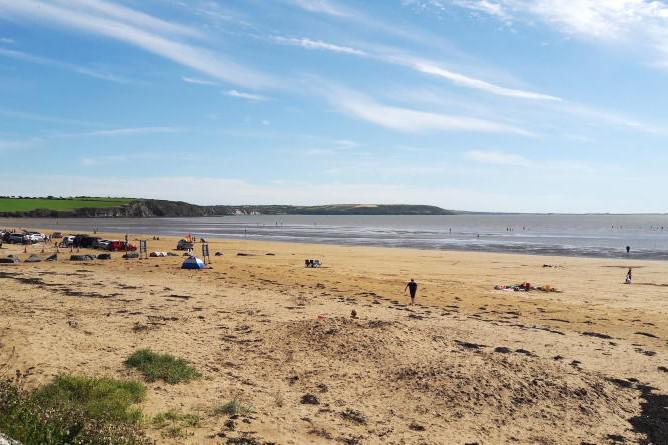
The Environmental Protection Agency’s (EPA) Bathing Water Quality in Ireland report for 2025 shows that water quality at most of Ireland’s bathing waters was of a high standard.
During the 2025 bathing season, intense rainfall was more frequent which resulted in more runoff from multiple sources.
Bathing water warnings issued prior to heavy rainfall and designed to protect bather’s health, almost doubled in 2025.
Heavy rainfall can cause wastewater overflows to activate and increase runoff from agricultural land and urban areas, leading to short-term deteriorations in water quality, the EPA said.
78% of bathing sites have ‘excellent’ water quality with 98% of sites meeting or exceeding the minimum standard of ‘sufficient.’
Causes
The most frequently reported cause of bathing water issues by local authorities was incidents arising from urban wastewater, which led to temporary beach closures and restrictions throughout the season.
Other contributors to water quality issues included runoff from agricultural land, dog fouling and misconnections.
Runoff from agricultural land accounted for 22% of likely causes of reported incidents in 2025 while urban waste water stood for 58% of likely causes.
Bathing waters with poor quality
The Dún Laoghaire Baths in Dublin was the only bathing water classified as ‘poor’, down from two in 2024 and will have swimming restrictions for the 2026 season. This bathing area was officially identified and classified for the first time in 2025.
The poor classification was caused by wastewater overflows and dog fouling and a management plan has been put in place by Dún Laoghaire Rathdown County Council to improve bathing water quality at this location.
“We are pleased to report that bathing waters continued to achieve a high standard of quality nationally in 2025,” Roni Hawe director of the EPA’s office of evidence and assessment said.
“However, the greater frequency of heavy rainfall events throughout the bathing season highlights an increased risk to people’s health when swimming after heavy rainfall.
“These conditions can result in short-term pollution which must be effectively managed if current high standards are to be maintained into the future.
“Local authorities need to strengthen their understanding of rainfall related pressures and put appropriate, climate-resilient measures in place to protect bather health,” she said.




SHARING OPTIONS