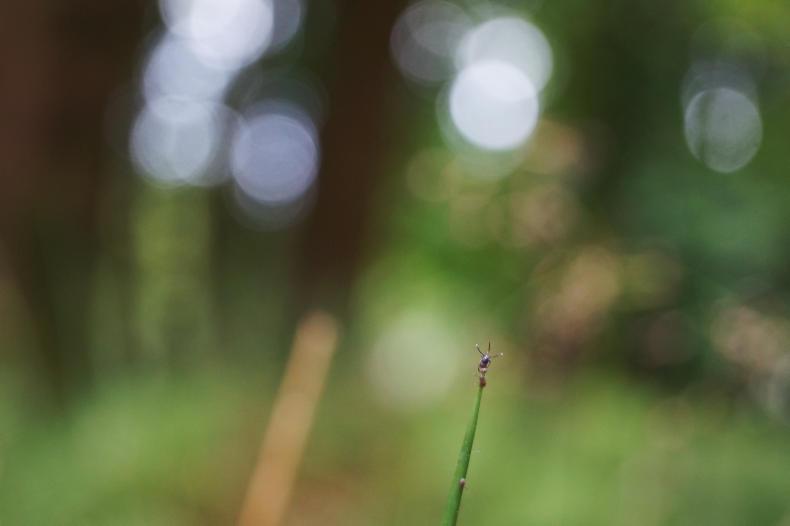
Tick on grass waiting to grab onto fur or skin of passing host.
ADVERTISEMENT
Ticks are more numerous and active in summer months, and the HSE is warning people who are active outdoors to check for tick bites resulting in rashes or infections.
“Only a minority of ticks carry infection. If a tick is removed within the first few hours, the risk of infection is low,” Dr Paul McKeown of the HSE said.
“The entire tick, including any mouthparts which might break off, should be removed with a tweezers by gripping it close to the skin.
ADVERTISEMENT
“The skin where the tick was found should then be washed with soap and water and the area checked over the next few weeks for swelling or redness.
“Anyone who develops a rash or other symptoms should visit their GP and explain that they have been bitten by a tick.”
According to the HSE, Tick bites can be prevented by:
Wearing long trousers, long sleeved shirt and shoes
Wearing a hat and tuck in hair
Using an insect repellent (preferably containing DEET)
Checking skin, hair and warm skin folds (especially the neck and scalp of children) for ticks, after a day out
Removing any ticks and consulting with a GP if symptoms develop
This content is available to digital subscribers and loyalty code users only. Sign in to your account, use the code or subscribe to get unlimited access.
The reader loyalty code gives you full access to the site from when you enter it until the following Wednesday at 9pm. Find your unique code on the back page of Irish Country Living every week.
CODE ACCEPTED
You have full access to the site until next Wednesday at 9pm.
CODE NOT VALID
Please try again or contact support.
Ticks are more numerous and active in summer months, and the HSE is warning people who are active outdoors to check for tick bites resulting in rashes or infections.
“Only a minority of ticks carry infection. If a tick is removed within the first few hours, the risk of infection is low,” Dr Paul McKeown of the HSE said.
“The entire tick, including any mouthparts which might break off, should be removed with a tweezers by gripping it close to the skin.
“The skin where the tick was found should then be washed with soap and water and the area checked over the next few weeks for swelling or redness.
“Anyone who develops a rash or other symptoms should visit their GP and explain that they have been bitten by a tick.”
According to the HSE, Tick bites can be prevented by:
Wearing long trousers, long sleeved shirt and shoes
Wearing a hat and tuck in hair
Using an insect repellent (preferably containing DEET)
Checking skin, hair and warm skin folds (especially the neck and scalp of children) for ticks, after a day out
Removing any ticks and consulting with a GP if symptoms develop
If you would like to speak to a member of our team, please call us on 01-4199525.
Link sent to your email address
We have sent an email to your address. Please click on the link in this email to reset your password. If you can't find it in your inbox, please check your spam folder. If you can't find the email, please call us on 01-4199525.
ENTER YOUR LOYALTY CODE:
The reader loyalty code gives you full access to the site from when you enter it until the following Wednesday at 9pm. Find your unique code on the back page of Irish Country Living every week.









SHARING OPTIONS