



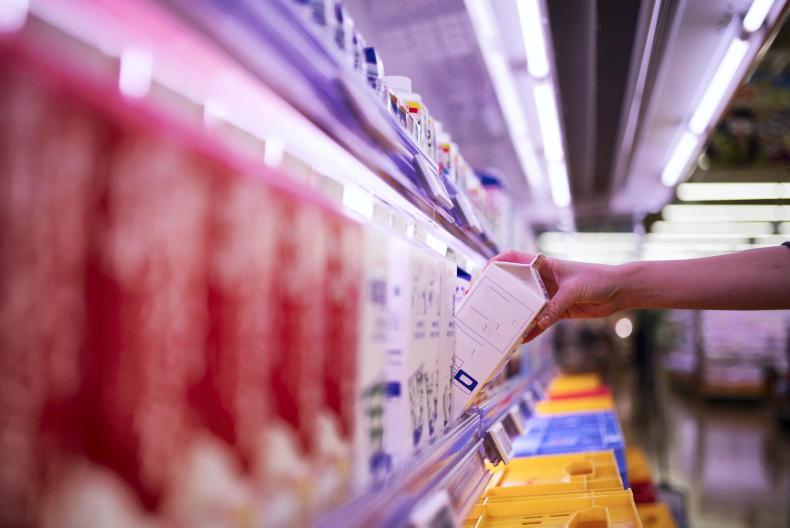
The price war supermarkets are currently waging around milk could threaten Ireland’s liquid milk sector, the Irish Farmers’ Association (IFA) has said.
IFA president Francie Gorman said farmers will be very concerned to see cuts to fresh milk prices being trumpeted by retailers.
“The real fear here is that this will be the start of a PR campaign by retailers where they use price cuts on a small number of fresh food items to attract customers into their stores to buy other products with much higher margins,” he said.
The IFA president added that his organisation will oppose these cuts.
“It is not acceptable for retailers to lead prices down, putting pressure back on farmgate prices when costs are increasing,” he stated.
This comes as Supervalu became the fourth major supermarket in a matter of days to reduce the price of its own brand milk to €2.35 for two litres.
IFA liquid milk chair Henry Dunne said there is a real danger that fresh milk producers will cease to sign year-round contracts. Instead, they will send their milk for manufacturing and will be free to dry off their cows over the winter.
Viability
“A price war would threaten the viability of a very vulnerable sector. We would ask consumers to prioritise the purchase of farmer- or co-op-owned milk brands.
“These kinds of price cuts might make for good headlines, but they could have long-term consequences for the viability of our fresh milk farmers,” he added.
Also addressing consumers, Gorman said that while people might be glad to see cuts in retail milk prices, they should be aware of the potential consequences of retail price wars.
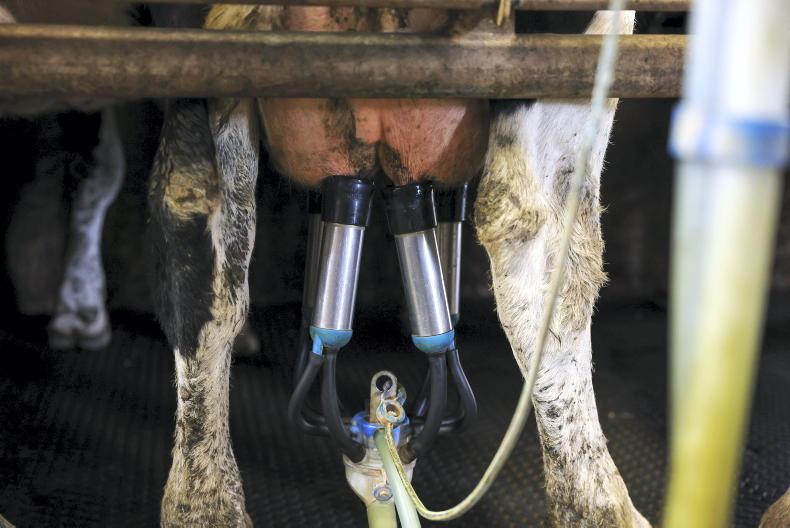
The IFA president explained that Ireland’s fresh milk is provided by a small cohort of farmers who have signed a contract to produce milk 365 days of the year. This means they have higher production costs and must milk their cows every day of the year.
These farmers receive a modest premium over the price for manufacturing milk. This is to cover the extra costs and commitment required of them.
Higher costs at farm level have already resulted in many farmers exiting fresh milk production. The number of producers has fallen by 34% in the past 10 years and now stands at approximately 1,200 suppliers, according to the IFA.




SHARING OPTIONS