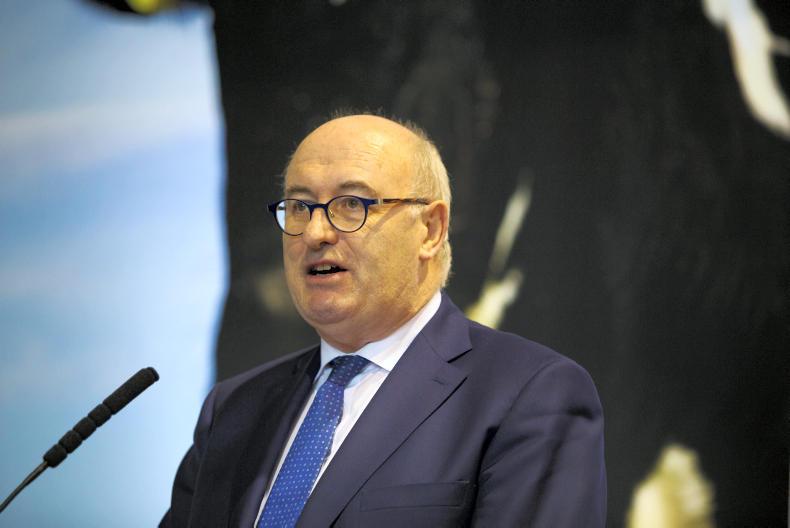
European Commissioner for Agriculture Phil Hogan highlighted the conundrum of hormone-treated beef facing the UK in any future trade deal discussions with the US at Friday's Irish Farmers Journal Navigating Global Trade conference.
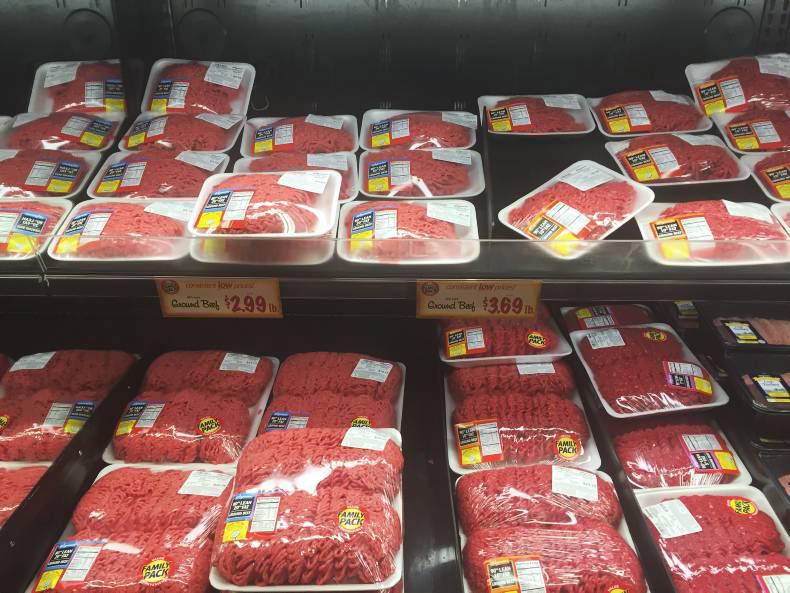
It is a simple fact that most US beef (and dairy) animals are fed growth-promoting hormones which are banned in the EU. While the Commissioner said that standards would be sacrificed on the altar of trade, it is a fact that the standard that bans hormones in beef production was ruled to have no scientific basis by the WTO in a case brought by the US a decade ago. Therefore the ban on hormone treated beef by the EU was considered illegal.
A solution was found by the EU creating a relatively generous quota for hormone free beef that the US initially availed off but other countries have been dipping in to it more recently. This has caused annoyance to the US industry and just before Christmas they began the process that could lead to the US taking the EU back to WTO.
UK-US deal
With British Prime Minister Theresa May and US President Donald Trump making it clear that a UK-US trade deal would be a priority after Brexit, it is easy to envisage how US hormone treated beef could be on sale in the UK in a few years from now.
Of course it is possible that agriculture could be left out of a trade deal. After all, Norway is part of the EU Economic Area, which is just one step short of full EU membership, and managed to keep its beef market protected with high tariff barriers.
However, the US is consistently among the top three beef exporting countries in the world and it is most likely that they would want a generous quota in any negotiation. In such a discussion it is difficult to imagine the US conceding on the use of hormones, particularly given their action against the EU.
EU issue
On the issue of hormone treated beef, it may not have gone away for the EU either. If the US goes back to the WTO, there is little reason to suspect that the ruling won’t be the same as before.
Last time the US was given the opportunity to hit back by the WTO with penalties on EU goods shipped to the US. The EU would then have a decision to make, either take the hit or amend the EU ban on the use of hormones.
After all, they were imposed in the late 1980s at a time when controlling the volume of beef production was the objective, not for any specific health risk. Since then it has been assumed as a base EU standard that is part of the basket of what are described as public goods that farmers get a direct payment for in the CAP.
The hormone debate has been off the agenda for more than a decade, and while Brexit and UK-US trade deal could bring it to a head again, another visit to the WTO by the US could make it an issue for the EU as well.
Read more
Brexit, Trump and hormone beef
Watch: Feedlot focus - finishing cattle in the US
European Commissioner for Agriculture Phil Hogan highlighted the conundrum of hormone-treated beef facing the UK in any future trade deal discussions with the US at Friday's Irish Farmers Journal Navigating Global Trade conference.
It is a simple fact that most US beef (and dairy) animals are fed growth-promoting hormones which are banned in the EU. While the Commissioner said that standards would be sacrificed on the altar of trade, it is a fact that the standard that bans hormones in beef production was ruled to have no scientific basis by the WTO in a case brought by the US a decade ago. Therefore the ban on hormone treated beef by the EU was considered illegal.
A solution was found by the EU creating a relatively generous quota for hormone free beef that the US initially availed off but other countries have been dipping in to it more recently. This has caused annoyance to the US industry and just before Christmas they began the process that could lead to the US taking the EU back to WTO.
UK-US deal
With British Prime Minister Theresa May and US President Donald Trump making it clear that a UK-US trade deal would be a priority after Brexit, it is easy to envisage how US hormone treated beef could be on sale in the UK in a few years from now.
Of course it is possible that agriculture could be left out of a trade deal. After all, Norway is part of the EU Economic Area, which is just one step short of full EU membership, and managed to keep its beef market protected with high tariff barriers.
However, the US is consistently among the top three beef exporting countries in the world and it is most likely that they would want a generous quota in any negotiation. In such a discussion it is difficult to imagine the US conceding on the use of hormones, particularly given their action against the EU.
EU issue
On the issue of hormone treated beef, it may not have gone away for the EU either. If the US goes back to the WTO, there is little reason to suspect that the ruling won’t be the same as before.
Last time the US was given the opportunity to hit back by the WTO with penalties on EU goods shipped to the US. The EU would then have a decision to make, either take the hit or amend the EU ban on the use of hormones.
After all, they were imposed in the late 1980s at a time when controlling the volume of beef production was the objective, not for any specific health risk. Since then it has been assumed as a base EU standard that is part of the basket of what are described as public goods that farmers get a direct payment for in the CAP.
The hormone debate has been off the agenda for more than a decade, and while Brexit and UK-US trade deal could bring it to a head again, another visit to the WTO by the US could make it an issue for the EU as well.
Read more
Brexit, Trump and hormone beef
Watch: Feedlot focus - finishing cattle in the US








SHARING OPTIONS