



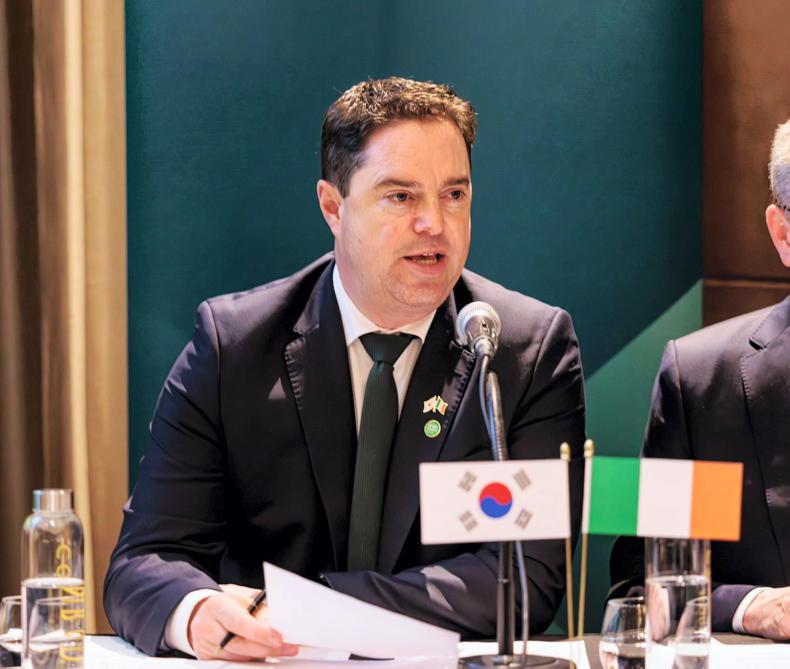
I took the short flight from Beijing to Seoul recently, marking my first trip to Korea since the COVID-19 pandemic.
The Korean economy feels somewhat similar to China. There are signs of life and recovery, yet the post-COVID hangover and the uncertainties about future prospects is driving caution and suppressing consumption. Similar to China, people’s habits have changed.
Ordering in and being online has meant that young consumers are not the force that they used to be. I stayed near to Gangnam Square (made famous by that YouTube video with the dancing), where the streets are festooned with BBQ shops.
The bars and restaurants were quieter than before and a visit to Itaewon, the major party district which was the scene of the Halloween stampede where over 150 people lost their lives, was also quiet. Speaking to long-term expats, the city has lost some of its vibrancy.
Korean farmers are greying, leaving the industry and struggling to continue to be the important political lobby that used to allow a steady flow of subsidies to remain competitive in a global market.
At the same time, the government is restricting corporate players in developing their livestock scale to plug the gap. Speaking to HoonGab, who has formerly run multinational animal health groups in Korea such as MSD and nutrition outfits like Alltech, the instability in global politics and the looming threat of North Korea on their border should ensure that food security.
Dairy prices are solid, but farmers are exiting the industry, struggling to attract younger farmers into the business.
Pig farmers are struggling with biosecurity. The demilitarised zone between South and North Korea is notorious for wild pigs, and African Swine Fever remains a prominent risk. Korea has become quite reliant on Brazilian chicken.
With avian influenza and other concerns about quality, HoonGab hoped that domestic producers could receive extra support to keep more protein production in their market.
Meeting a prominent Dutch food trader, he spoke about the strong prices for dairy commodities and cheese in the market, but that due to limited opportunities in Korea, he has cut down his visits from six pre-COVID to two each year.
Cheese tends to be the bright spot for his dairy bosses. For Ireland, there has been a considerable focus on developing more business in Korea. Bord Bia and the Minister for Agriculture have led multiple visits and signs of success are starting to show.
Competition is significant, as Korea and Japan (which has similar issues with farming and food security) are coveted markets for food exporting countries.
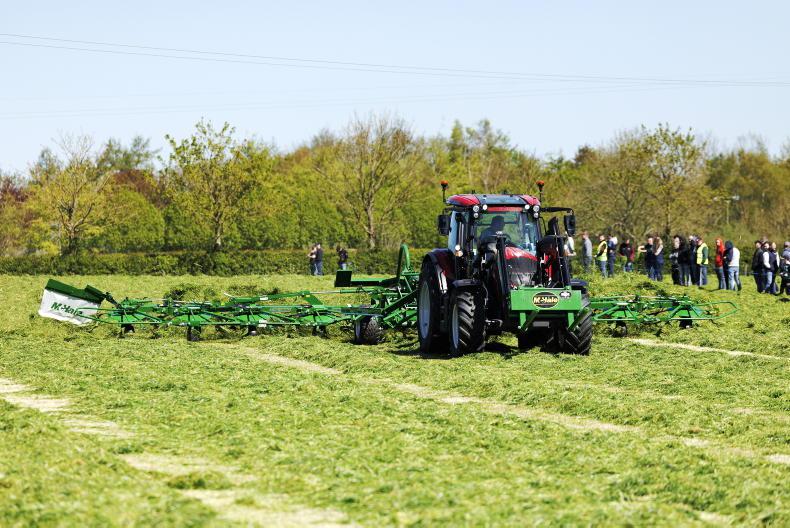
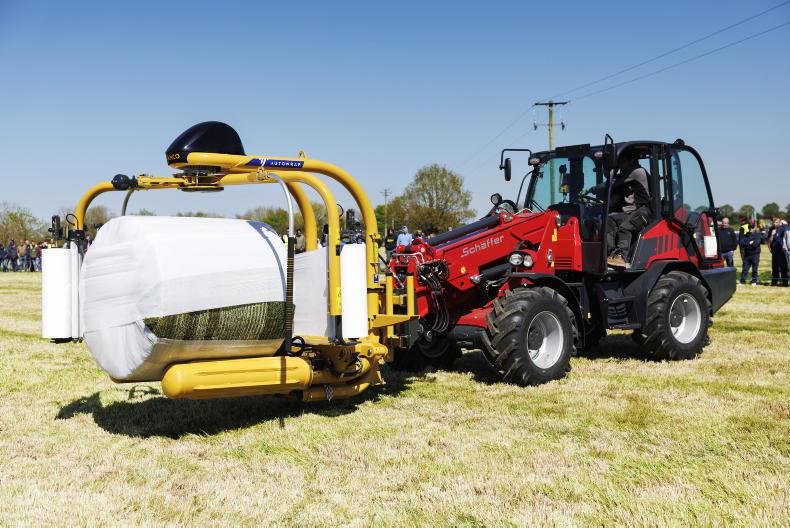
A visit to a machinery company in the southern part of the country was also insightful. The company held the licence for Claas equipment and was frustrated that their competitor, an Irish company McHale, had such a strong market share due to the size and efficiency of the McHale equipment.
After meeting with me, the CEO of the machinery company was flying to Europe to try to find more solutions for cropping.
Choosing Korea as a priority market for Irish exports makes sense for agrifood and technology. However, with a lot of uncertainty in global politics, it remains important to maintain a diverse range of export partners.
Korea used to be a great place to farm. People still speak fondly of the Irish missionary, PJ McGlinchey who brought Yorkshire pigs to Korea in the 1950s and set up a dairy farm which trained farmers and brought many people out of poverty and into a prosperous farming career. Those days are long gone now.



SHARING OPTIONS