



There is scope to at least treble the number of organic cattle slaughtered and marketed as organic beef in the coming years.
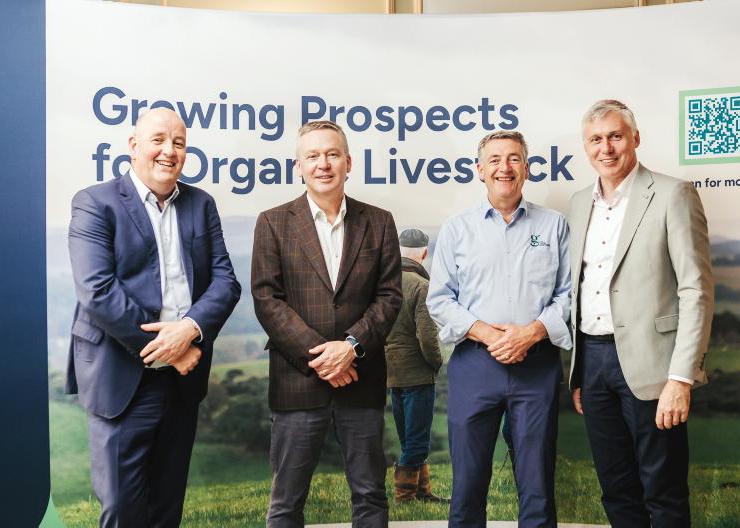
This was the view of John Purcell, managing director of Good Herdsmen, speaking at last week’s Growing Prospects for Organic Livestock event in Portlaoise.
Good Herdsmen was set up as a marketing platform for Irish organic livestock in 1989 and is currently slaughtering in the region of 10,000 cattle per year across four locations – ABP Cahir, Clones and Rathkeale, and Slaney Foods.
Purcell stated that access to ABP’s modern processing and packing plants in Ireland and Northern Ireland and greater routes to market provide an excellent platform to capitalise on the growth in the number of producers farming organically and grow throughput.
The current throughput level of 10,000 head is only a percentage of the potential throughput with leakage from organic to conventional systems rising to upwards of 50% at certain timeframes during the year.
Grow throughput
The scope to grow throughput is backed up by the fact that as of 1 August 2025 there were 35,000 suckler cows on organic farms, 25,700 cattle aged zero to six months, 23,700 organic stores aged 12 to 24 months and 11,013 forward cattle aged 25 to 30 months of age.
Purcell added that the reputation of Irish organic beef is of a very high standard across Europe and that this is demonstrated by its use in the baby food market.
He said that there has been some disruption in markets over the last eight to 10 months due to the meteoric rise in beef price.
This has seen the company divert some of its produce from continental EU markets to the UK market where there is a growing demand for organic produce.
He expects high value European markets to continue to grow in demand citing that an 8% decline in EU beef production is a massive opportunity for Irish beef.
He said that the company is currently negotiating forward contracts with its customers and hopes to be in a position to return to offering forward prices by January 2026, adding that he expects prices to be north of €8/kg at this point.



SHARING OPTIONS