Dr David Wall, Teagasc, speaking at the Teagasc National Sheep Conference in Killarney.
ADVERTISEMENT
Stock numbers can remain unchanged on Irish farms subject to changes in how nitrogen is used on farms, Dr David Wall of Teagasc said this week.
He was responding to a farmer at the Teagasc Lowland Sheep Conference in Killarney who asked if the answer to reducing farming’s carbon footprint was better nitrogen efficiency rather than reduced stocking rates.
“About 60% of greenhouse gases come from the animal side and the remainder come from nitrogen in slurry and fertiliser. If we maintain our stock numbers, we have to tackle the other 40% in some shape or form,” said Wall.
ADVERTISEMENT
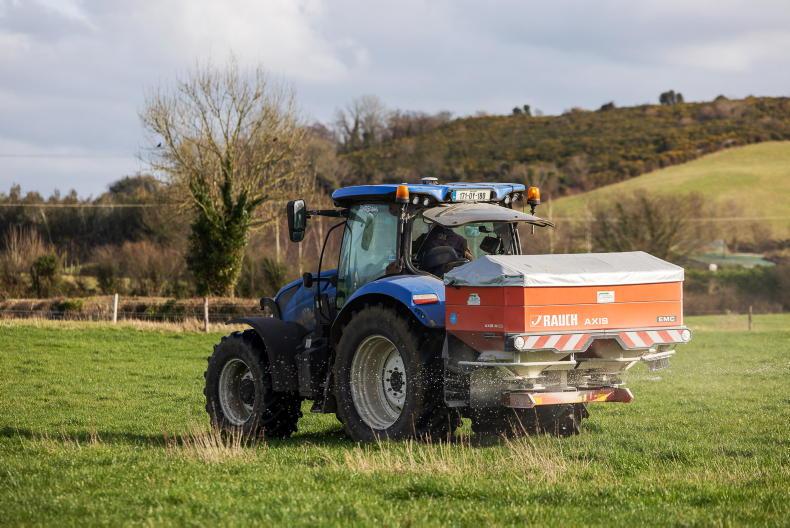
“It can be done but it means we have to challenge the fertiliser and slurry side of the house, bring in clover, use low-emission slurry spreading and protected urea and we can get most of the way there.”
Register for free to read this story and our free stories.
This content is available to digital subscribers and loyalty code users only. Sign in to your account, use the code or subscribe to get unlimited access.
The reader loyalty code gives you full access to the site from when you enter it until the following Wednesday at 9pm. Find your unique code on the back page of Irish Country Living every week.
CODE ACCEPTED
You have full access to the site until next Wednesday at 9pm.
CODE NOT VALID
Please try again or contact support.
Stock numbers can remain unchanged on Irish farms subject to changes in how nitrogen is used on farms, Dr David Wall of Teagasc said this week.
He was responding to a farmer at the Teagasc Lowland Sheep Conference in Killarney who asked if the answer to reducing farming’s carbon footprint was better nitrogen efficiency rather than reduced stocking rates.
“About 60% of greenhouse gases come from the animal side and the remainder come from nitrogen in slurry and fertiliser. If we maintain our stock numbers, we have to tackle the other 40% in some shape or form,” said Wall.
“It can be done but it means we have to challenge the fertiliser and slurry side of the house, bring in clover, use low-emission slurry spreading and protected urea and we can get most of the way there.”
If you would like to speak to a member of our team, please call us on 01-4199525.
Link sent to your email address
We have sent an email to your address. Please click on the link in this email to reset your password. If you can't find it in your inbox, please check your spam folder. If you can't find the email, please call us on 01-4199525.
ENTER YOUR LOYALTY CODE:
The reader loyalty code gives you full access to the site from when you enter it until the following Wednesday at 9pm. Find your unique code on the back page of Irish Country Living every week.








SHARING OPTIONS