New Zealand's milk production in February was 165,025t solids in February, virtually unchanged from the same month last year, according to the Dairy Companies Association of New Zealand.
This follows six months of strong supply, with figures higher than the previous two years throughout the southern hemisphere spring and summer.
While January production was 7.7% higher than the previous year, February supply was only 0.1% ahead.
ADVERTISEMENT
For the season to date, NZ milk production has been up 4.9% on a milk solids basis.
Glanbia estimated this week that supply from New Zealand would remain stable this year.
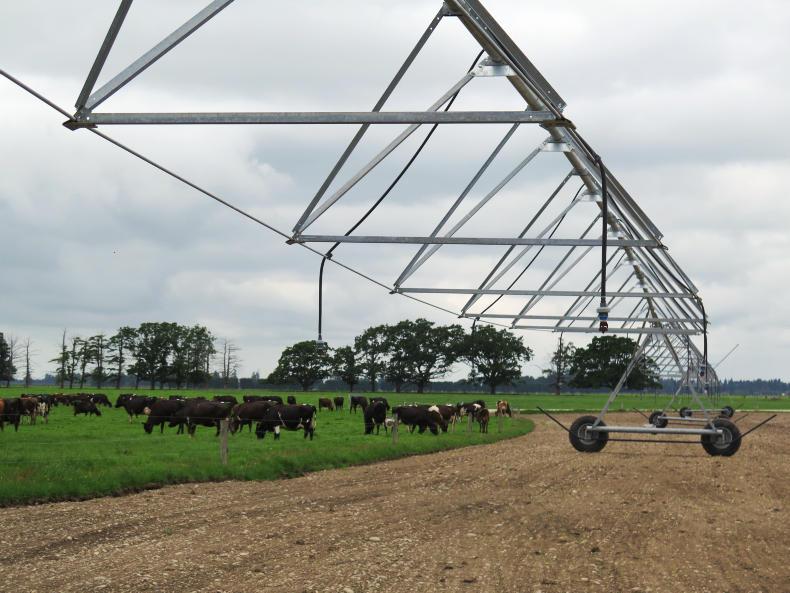
Dry conditions are beginning to cause concern in key dairying regions, with Waikato regional authorities encouraging farmers to seek help if the weather affects their business. "Soil moisture levels are currently low, which means the ability of pasture to grow is reduced," Waikato regional council reported.
This content is available to digital subscribers and loyalty code users only. Sign in to your account, use the code or subscribe to get unlimited access.
The reader loyalty code gives you full access to the site from when you enter it until the following Wednesday at 9pm. Find your unique code on the back page of Irish Country Living every week.
CODE ACCEPTED
You have full access to the site until next Wednesday at 9pm.
CODE NOT VALID
Please try again or contact support.
New Zealand's milk production in February was 165,025t solids in February, virtually unchanged from the same month last year, according to the Dairy Companies Association of New Zealand.
This follows six months of strong supply, with figures higher than the previous two years throughout the southern hemisphere spring and summer.
While January production was 7.7% higher than the previous year, February supply was only 0.1% ahead.
For the season to date, NZ milk production has been up 4.9% on a milk solids basis.
Glanbia estimated this week that supply from New Zealand would remain stable this year.
Dry conditions are beginning to cause concern in key dairying regions, with Waikato regional authorities encouraging farmers to seek help if the weather affects their business. "Soil moisture levels are currently low, which means the ability of pasture to grow is reduced," Waikato regional council reported.
If you would like to speak to a member of our team, please call us on 01-4199525.
Link sent to your email address
We have sent an email to your address. Please click on the link in this email to reset your password. If you can't find it in your inbox, please check your spam folder. If you can't find the email, please call us on 01-4199525.
ENTER YOUR LOYALTY CODE:
The reader loyalty code gives you full access to the site from when you enter it until the following Wednesday at 9pm. Find your unique code on the back page of Irish Country Living every week.







SHARING OPTIONS