



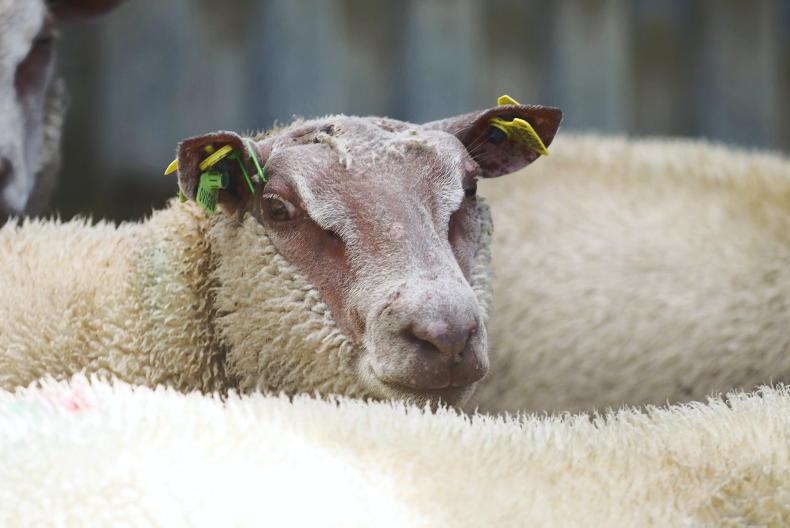
The news of the first confirmed case of the bluetongue virus serotype three (BTV-3) in a dead ram on a farm in Co Wexford has sparked growing farmer interest in the virus.
Relatively few details have been released on the case up to this point. Among the questions unanswered up to now are whether the virus was the cause of death or if the ram exhibited clinical symptoms.
The number of confirmed cases on Irish farms has increased in recent weeks, following BTV-3 being confirmed in a cow on a 47-head suckler farm in Kildare on 11 September. In that case, the cow showed clinical symptoms, including the abortion of her calf.
The virus has, since then, been confirmed in three separate herds in Wexford, Wicklow and Kildare, with an individual animal presenting with clinical symptoms, which prompted testing.
Numerous questions were asked at last week’s National Ploughing Championships, and vets report a spike in interest, especially in the south east, since the first case was identified in sheep. A flavour of these questions follow below.
Q: Could we see outbreaks of the virus, similar to what farmers in southwest England have seen?
A: Forecasting the incidence and spread of the virus is extremely challenging.
The fact that there have been fresh cases in Kildare, Wexford and Wicklow shows that the virus is very much present in the environment, however.
This is not surprising given the surge in cases in England and Wales in recent months.
Our proximity to Britan, and the risk of infected midges being blown across the Irish Sea, could make us vulnerable.
Midge activity is at peak during September and October, so it is inevitable that further cases will be identified.
However, with the exception of the higher temperatures experienced in recent days, it is likely that temperatures will start to fall back and.
Hopefully, this will mean that we will not see the virus replicating rapidly in the midge population.
It could also mean that we may not witness the surge in cases and outbreaks like those seen in England and Wales in recent months.
The cases should act as a warning signal to farmers, however, and prompt discussions with your vet if they are unsure about vaccinating.
Q: Will we see more animals aborting, or deformed foetuses?
A: Again, it is impossible to predict with 100% certainty, but going on the experience in England and Wales, that is very likely. When the virus spread in autumn 2025, individual animals were affected and showed clinical symptoms, but reports indicate that the virus was still circulating in the environment.
Over the following months, no big escalation of cases or animals exhibiting clinical symptoms followed, but fertility issues were identified on farms.
We also saw the birth of deformed foetuses, animals born with brain malformations and the birth of so-called ‘dummy calves’ or lambs.
It could well prove to be the case that similar will happen in Ireland but, again, there is no definitive answer to this particular question.
Q: I am considering vaccinating my ewes, but does the vaccine have to be given ahead of breeding to be effective?
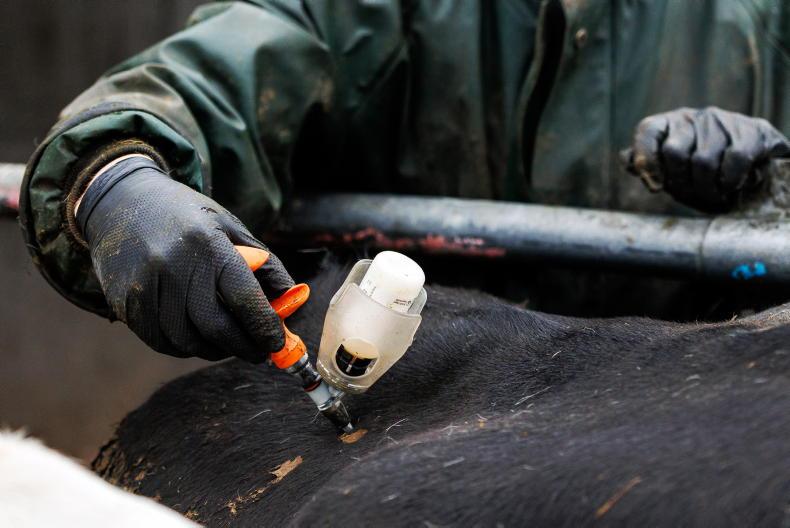
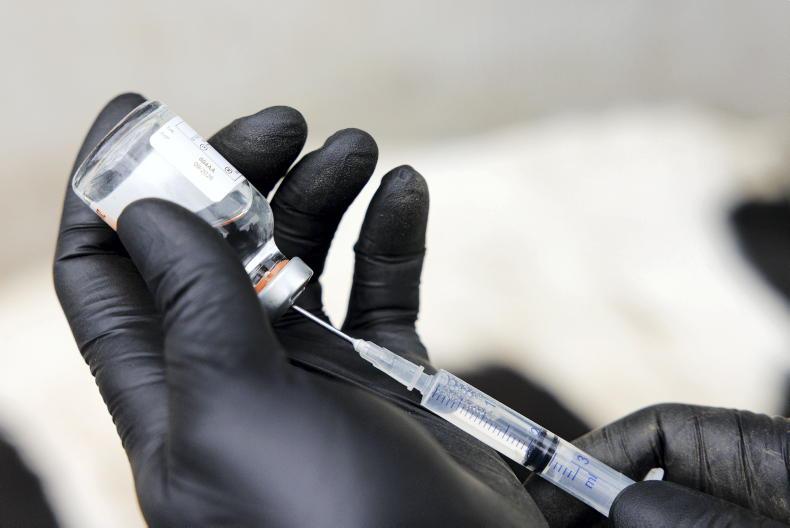
A: It is best practice to administer the vaccine before breeding so that any unnecessary stress can be avoided during mating and in the early pregnancy.
The vaccine is, however, safe to administer at any stage, and the product characteristics for all vaccines show that it is safe to administer to pregnant animals.
The earlier the vaccine is administered, the better the chances of protecting against the virus transferring via the placenta to the foetus and causing any risk to embryo attachment due to stress from handling in early pregnancy.
Q: Should I vaccinate animals each year, or will one course of vaccination protect animals for life?
A: None of the three products (Bluevac-3, Bultavo 3 and Syvazul BTV-3), licensed for use in Ireland have a duration of immunity established on the summary of product characteristics listed with the Health Products Regulatory Authority (HPRA). However the Veterinary Medicines Directorate, which governs medicines in the UK, updated its listing for Bultavo-3 in August to denote that the duration of immunity lasts for one year.
Q: I have a small flock of 30 ewes. What are the chances of the vaccine becoming available in smaller pack sizes?
A: Unfortunately, there is no information to hand on this question.
The best that you can hope for is to link in with another farmer and avail of the allowance from the Department for herds and flocks to share the use of the vaccine. That will, obviously, require planning as the vaccine has a limited shelf life once opened.


SHARING OPTIONS