



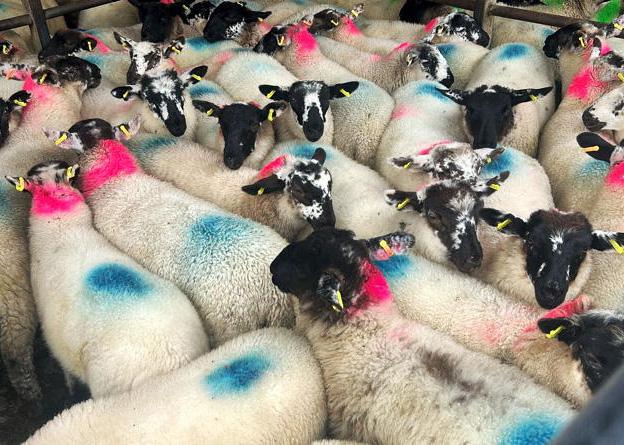
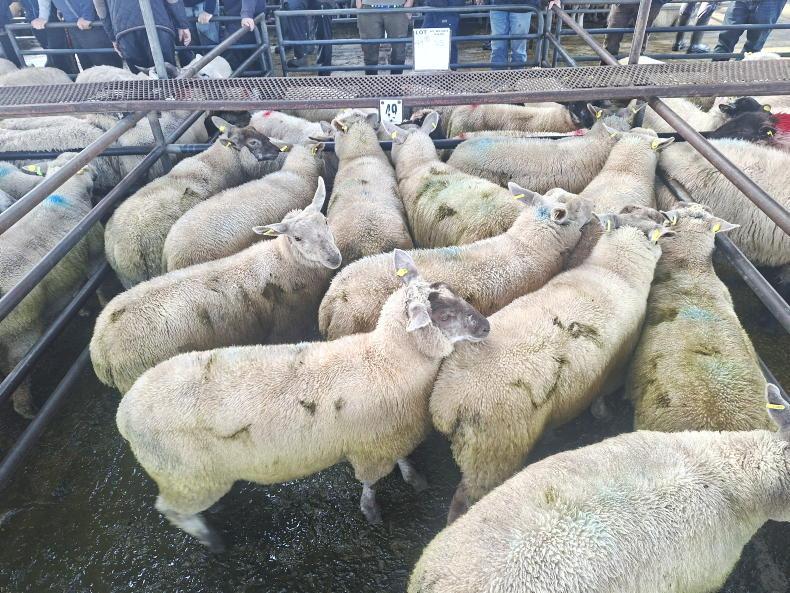
There were concerns among many farmers operating a system of selling store lambs that the trade could have been weakened by lower returns generated in 2025. However, these have not come to pass with the early trade performing well.
Teagasc has updated its online store lamb finishing calculator which can be found at teagasc.ie/animals/sheep/financial-management/.
Carrying out a finishing budget is a good exercise to determine the most suitable type of lamb to purchase for your enterprise and to focus your attention on the potential financial performance attainable.
For example purchasing a lighter lamb may be beneficial in terms of presenting a lower cost to get numbers on hand but it may be a poor decision if lambs will not be finished within a desired timeframe and the facilities are not present to finish longer-keep lambs efficiently.
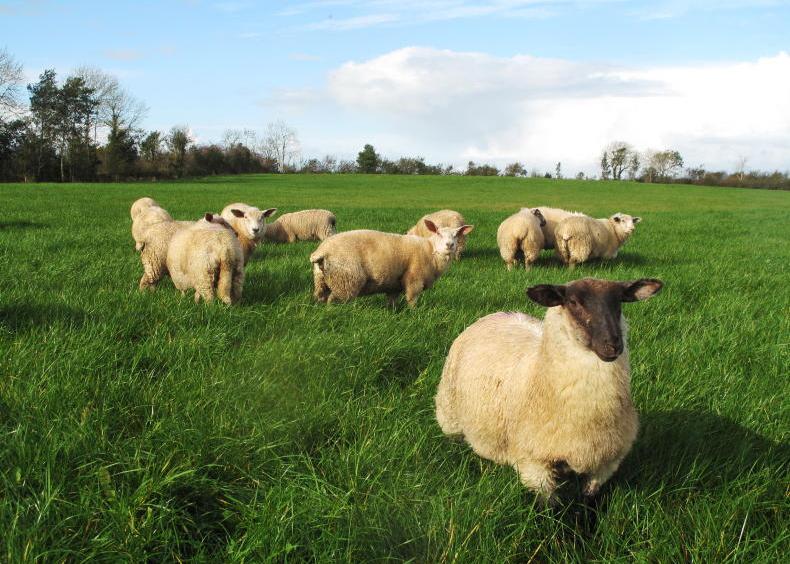
Irrespective of the finishing calculator, it is important to use realistic costs and performance figures. Grass supplies and grass quality are paramount. Lambs grazing good-quality leafy grass in August and early September will gain in the region of 160g to 200g liveweight daily.
This reduces back to 150g to 170g daily as you advance through September with performance on good grass reducing to an average of 100g daily as you progress in to late October and November.
The finishing calculator uses accurate performance data which is based on extensive research.
Producers enter information in the shaded columns in Table 1 and are presented with a financial blueprint in Table 2 including the likely margin, breakeven carcase price and breakeven purchase price on a per head and per kilo liveweight basis.
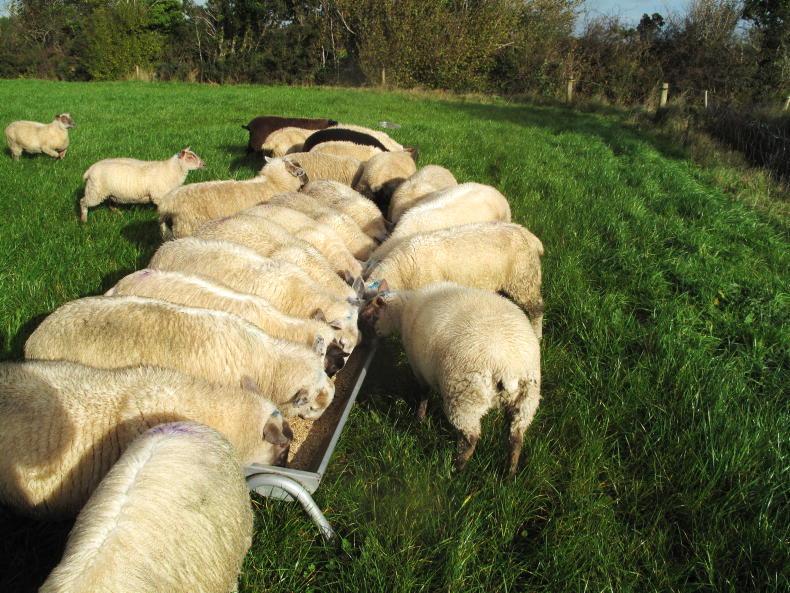
Meal feeding at grass is based on a low level of supplementation and varies depending on the timeframe to sustain a desired level of performance.
Veterinary costs depend on the extent of the programme in place and can range from €1.50 per head where minimal interventions are taken to upwards of €5/head for clostridial disease vaccination, dipping and dosing with a new generation wormer is practiced.
Mortality will depend on the finishing system. For a short term finishing system on grass mortality could be as low as zero to 1% while for a long term finishing system incorporating indoor finishing then 2% to 3% mortality is more realistic.
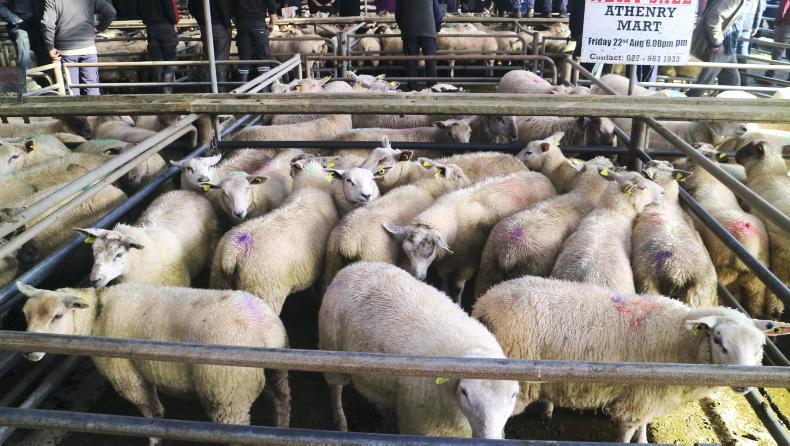
Transport costs vary greatly depending on distance travelled given rising fuel costs. Other costs should include aspects such as bedding, applicable fencing costs, labour etc while commission can be a significant cost if selling back out through the mart.
Lamb performance will vary depending on gender and lamb type and selecting from the options will alter output metrics. Consideration should be given to the target carcase weight as while maximising carcase weight will deliver the highest sale value it may not return the greatest margin depending on the system in place. The projected carcase price (historical) is based on the average of the monthly price for that period in recent years.
The calculator is worth visiting to do your own costs.



SHARING OPTIONS