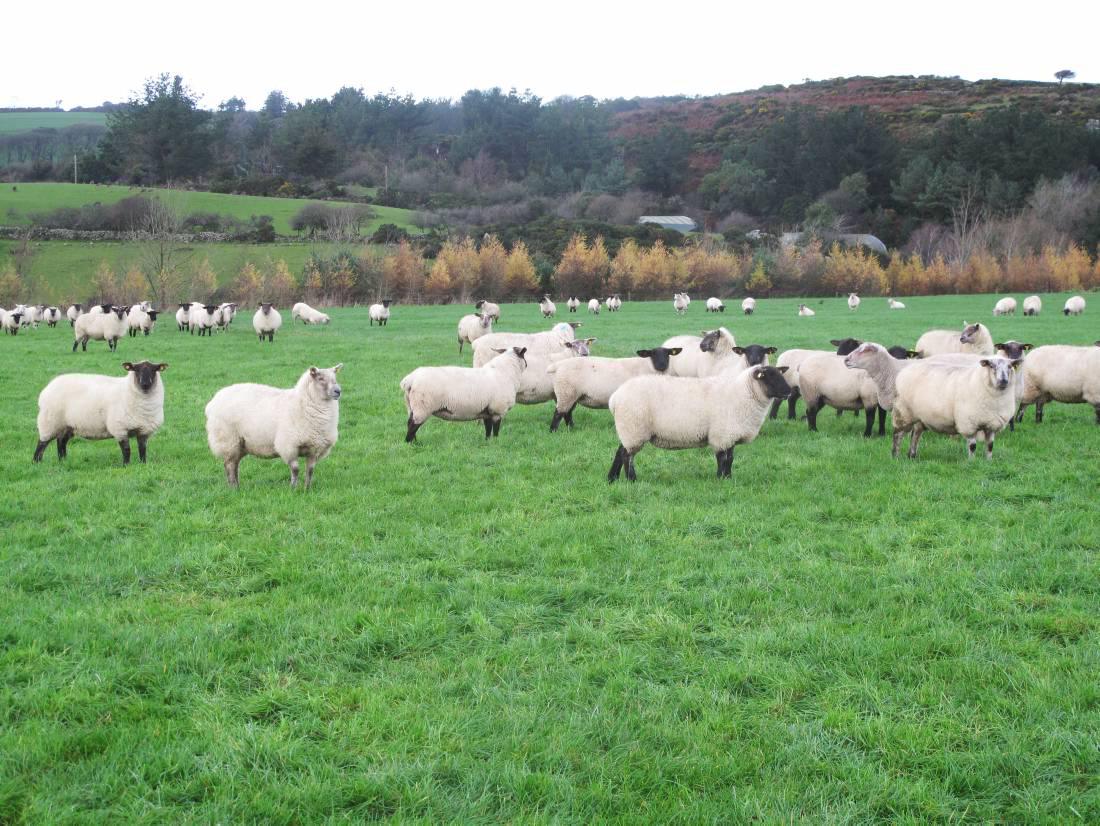
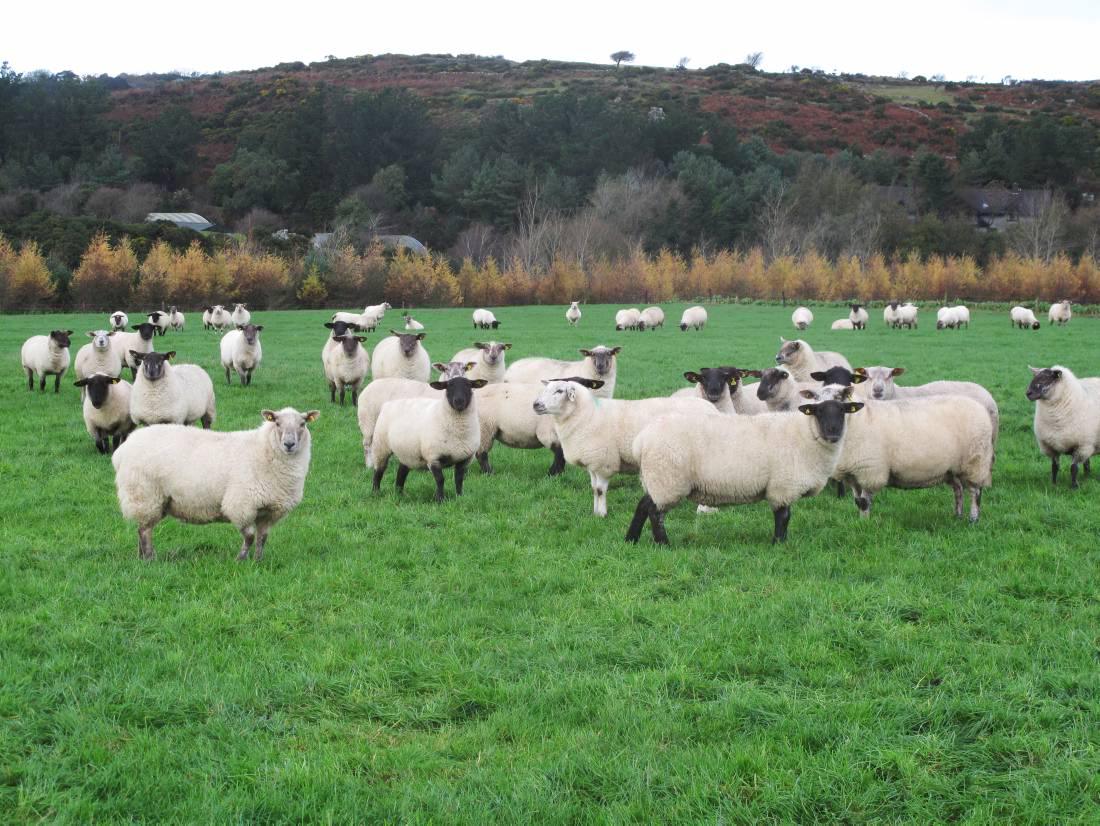
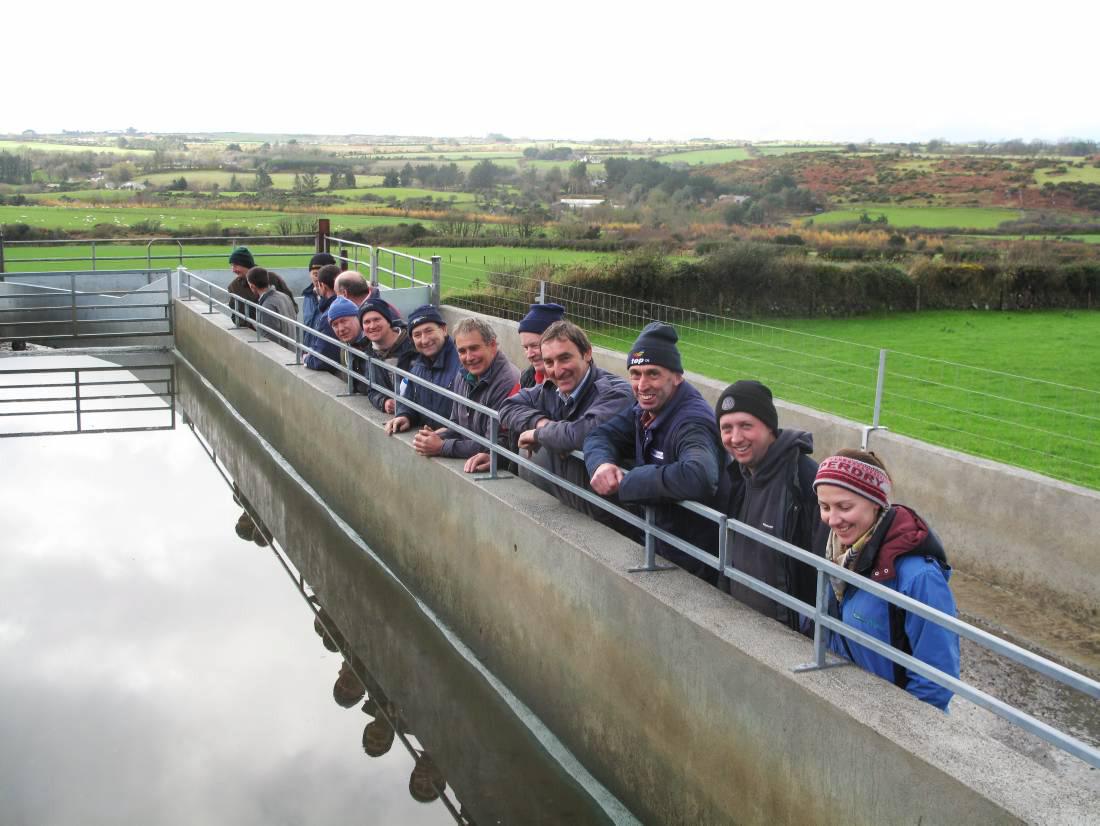
About two weeks ago, I attended a STAP (Sheep Technology Adoption Programme) meeting of the East Waterford Sheep Group on the farm of Ned Morrissey, Dunhill, Waterford. The group, facilitated by Teagasc B&T adviser Paddy O’Brien, has about 20 members who were coming together for their first meeting of the 2015 programme.
Two topics of discussion, stemmed by circumstances on farm, were lamb performance in 2014 and finishing options for remaining lambs and winter management of ewes. Ned runs a mid-season lambing flock of 370 ewes along with a significant tillage enterprise. The sheep enterprise is based on finding the best balance between maximising output and reducing labour input.
Pushing the limits
The stocking rate on the grassland area is pushed to the limit at 13 ewes/ha (5.26 ewes/acre) without accounting for replacement ewe lambs. Ewe breed is targeted at medium prolificacy (scanning about 1.8 lambs per ewe).
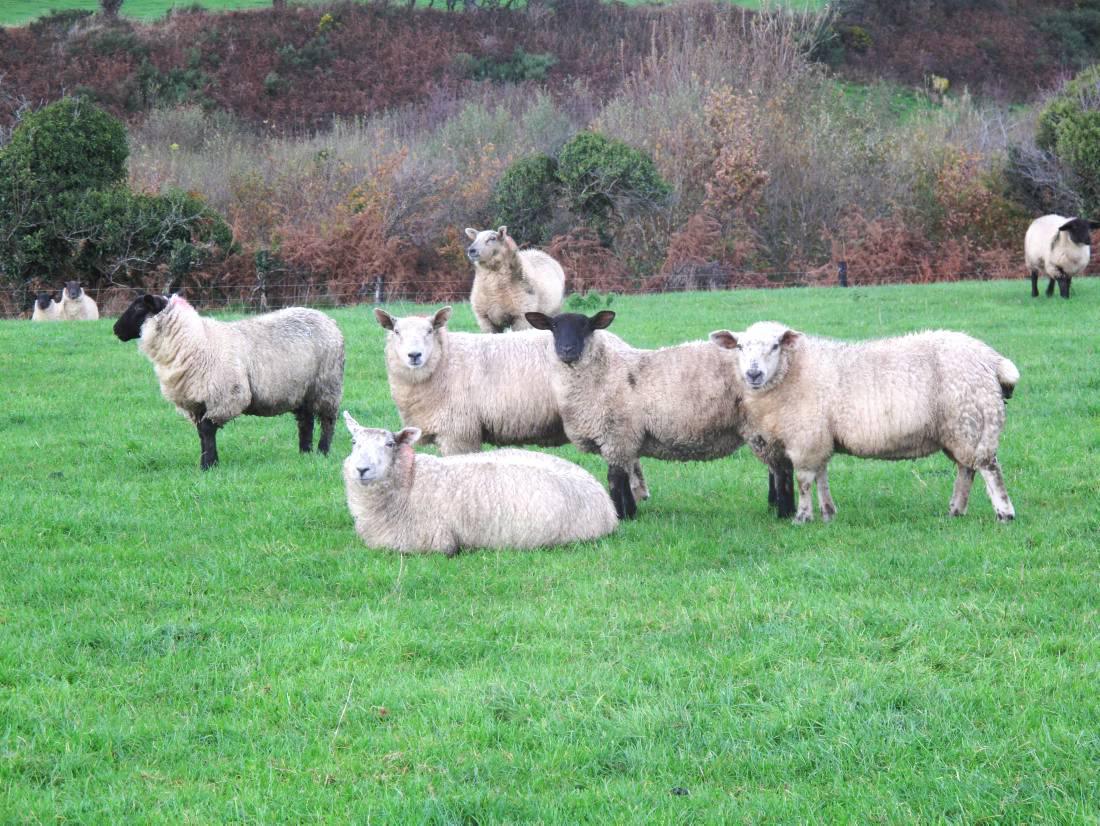
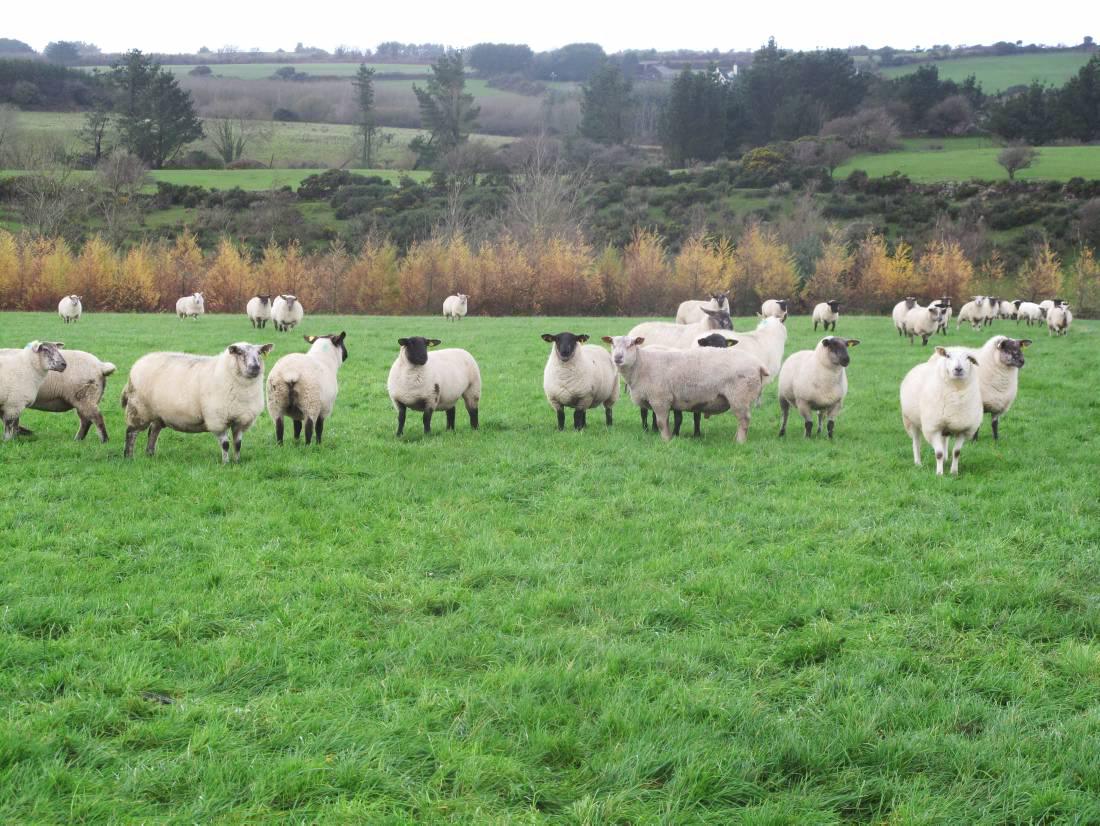
Some Belclare and Lleyn genetics have been incorporated into the flock in recent years, but the base ewe breeding is Suffolk, with breeding in older ewes in the flock going back to Suffolk Cheviot cross ewes.
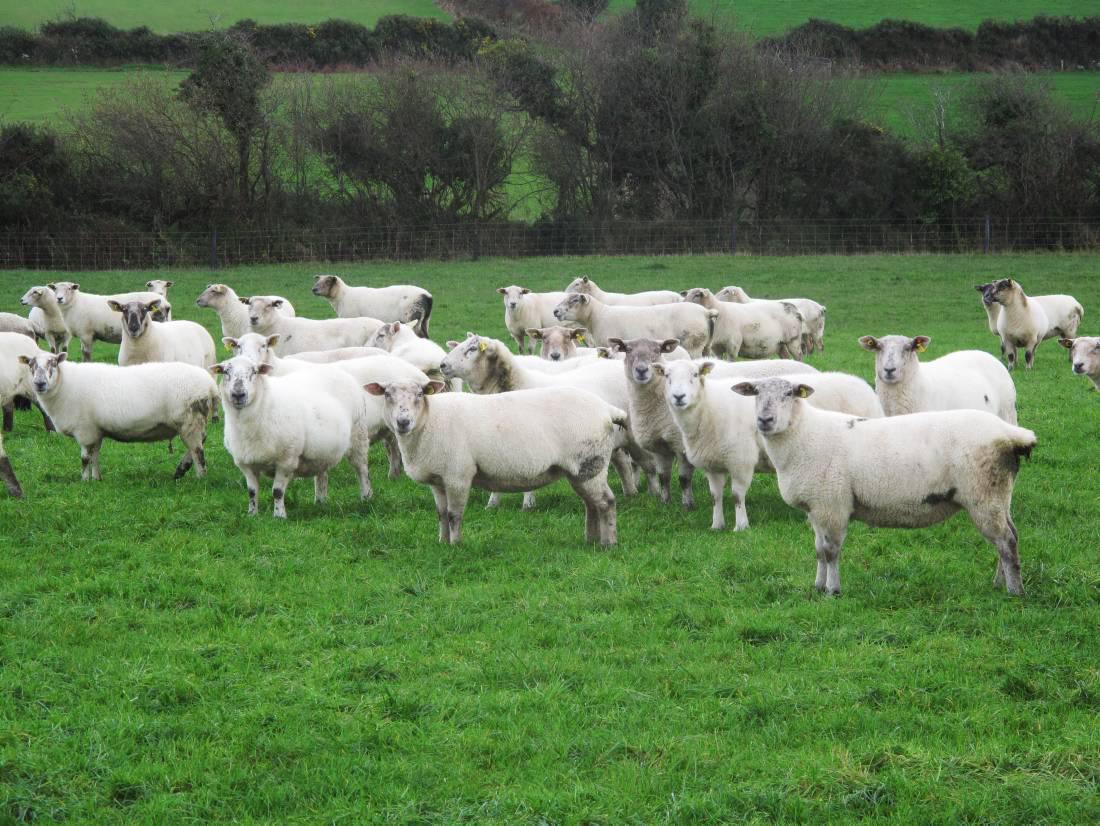
Ewe lambs are run dry with replacements incorporated into the flock as hoggets and used as an aid for grassland management. Breeding is criss-crossed with Suffolk rams run with the whiter-faced ewes in the flock and a Lleyn ram with Suffolk ewes (targeting easier care and reduced ewe size). Charollais and Ile de France rams are also used, with ewes mated in three groups.
Reducing labour input
Maintaining this breed cross and avoiding progressing too far down the high prolificacy route has been part of the overall farm plan to take labour, where possible, out of the system.
In recent years, this has been achieved by a switch from housing and lambing ewes indoors to outwintering ewes and lambing outdoors.
Outdoor lambing has been achieved by careful planning and closing of paddocks to have a supply of grass in spring while outwintering ewes is made possible by growing fodder beet and grazing it in situ over the winter months.
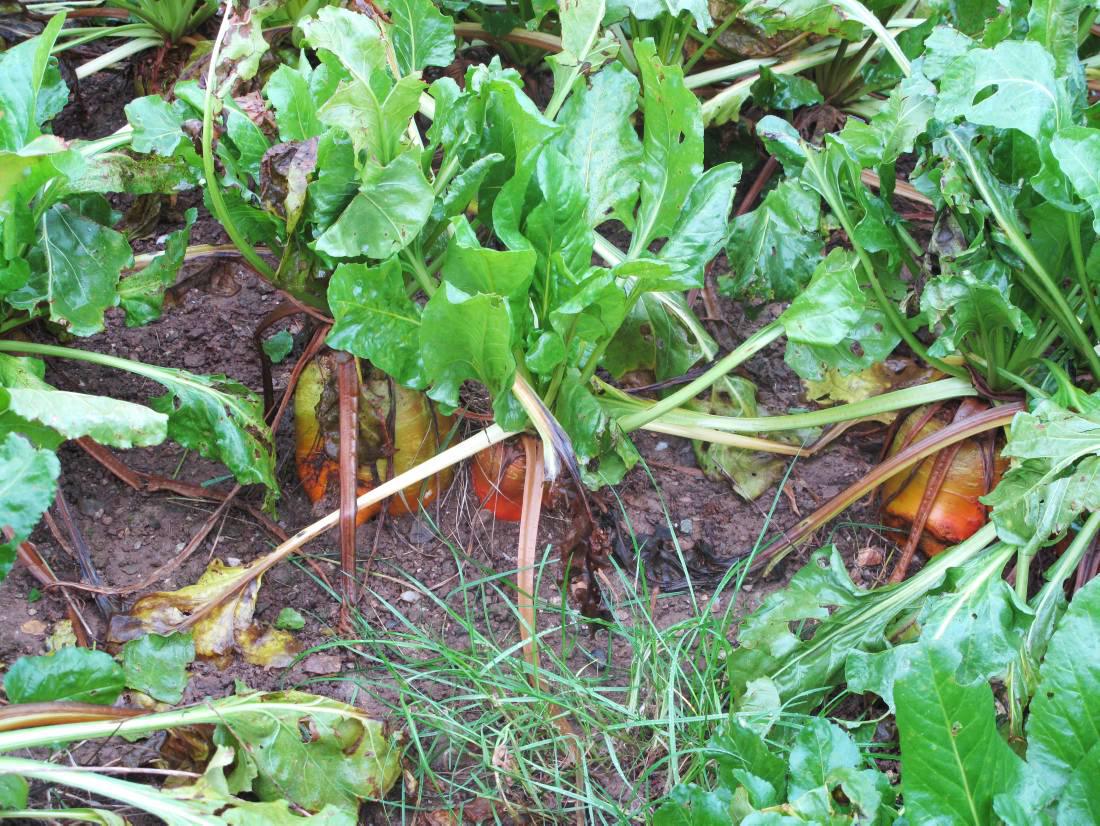
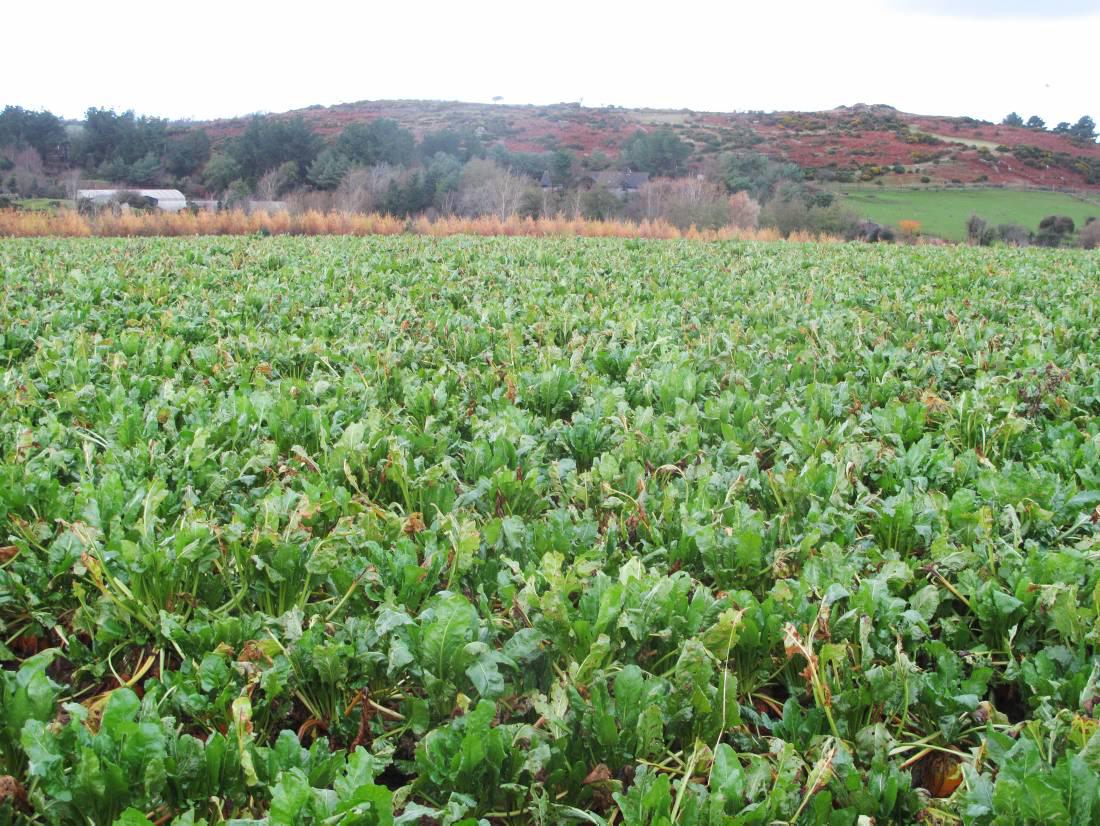
Due to its rare occurrence in Irish sheep enterprises, there was keen interest on the day in grazing fodder beet. Ned explains that having experimented with other forage crops such as kale, rape and swedes, there was no competing with the volume of dry matter feed produced by fodder beet.
In a normal year, the crop will produce 35t/acre, while Ned expects the favourable growing conditions to have produced 40t/acre this year (excluding beet tops).
Grazing in situ
The high feed value and palatability of fodder beet (1kg DM = 1.12 UFL/kg DM or 12.5 to 13.5 ME MJ/kg DM) requires careful grazing management to prevent digestive upsets.
“Getting ewes started is the tricky bit as ewes will gorge themselves on the tops, which are the most toxic. At the start, ewes are let in for an hour for a few days, then a couple of hours and gradually built up to about four to five hours per day, depending on the volume of beet available.
“I have been doing this for the last few years and found it is working well. The first year, ewes were given near ad-lib access to beet which wasn’t suitable with ewes overfed and too strong at lambing.”
It is estimated that ewes are consuming about 7kg to 8kg freshweight of beet, which at an estimated dry matter percentage of 14% to 15% for the variety is delivering slightly over 1kg dry matter feed intake per day. Intake is higher when ewes first enter a new section of the crop, but averages out over the 10-day period.
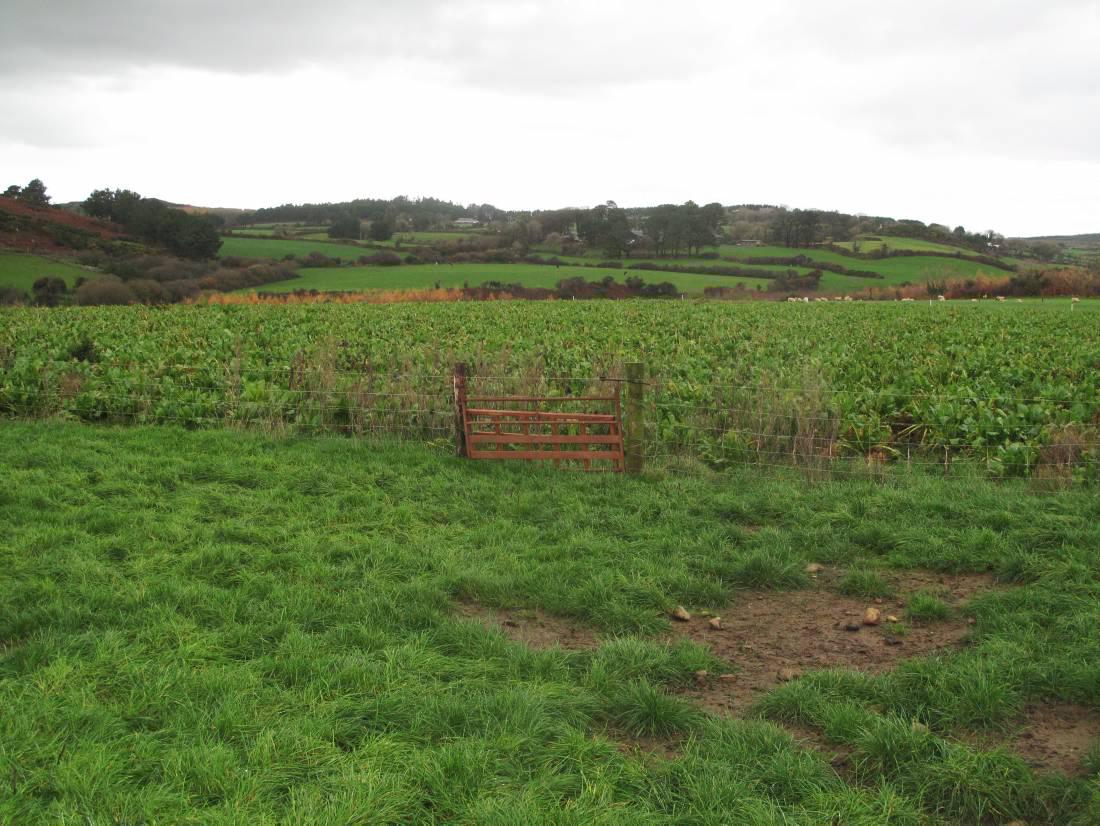
Fodder beet is grown in two grassland areas measuring 2.5 acres and is incorporated into a reseeding programme. The area where fodder beet is grown is combined with a 2.5-acre runback.
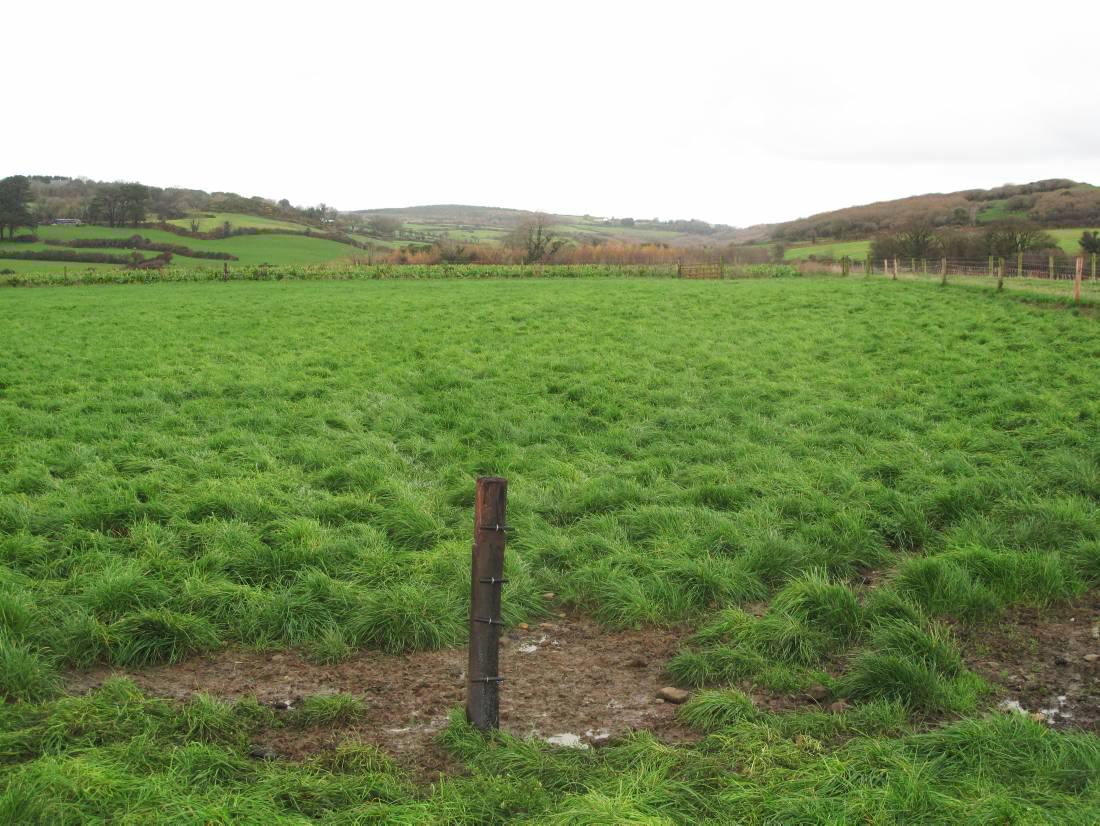
The runback area acts as a sacrifice paddock for supplementing silage and feed/mineral buckets and is used for growing the crop the following year while the fodder beet area is reseeded and incorporated back into the grazing rotation.
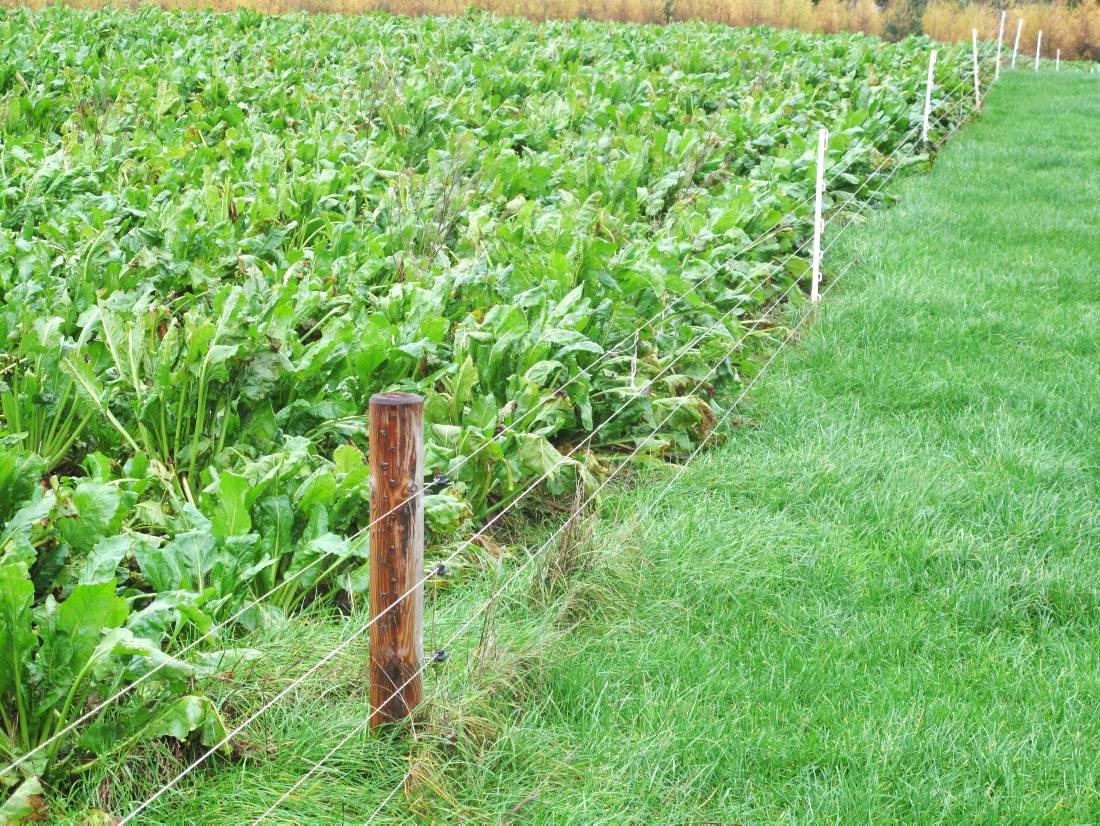
The crop is strip-grazed on the narrowest side. Ned commented that ewes quickly get trained into grazing the crop for a few hours and returning back to the lie-back area.
“An electric fence is the only thing that works successfully. A few strands of wire is sufficient to keep ewes in the lie-back area, but net fencing is all that will work for strip grazing as ewes put a fair bit of pressure on the fence trying to graze ahead on the beet.”
The strip net fence is set up to give ewes about 10 days’ grazing. “Giving any more would let the beet get too exposed and reduce utilisation”.
The favourable grass growth in autumn has prolonged grazing of paddocks and seen the crop just starting to be grazed in the last week. Ned says each 2.5 acres should provide sufficient fodder to graze a batch of 180 ewes (three breeding groups combined into two groups) from mid-November to the end of February.
“The worst we can expect in a bad year is 30t/acre, which just means we need to supplement silage a bit more and manage the crop better.”
Ewes are usually assessed in early December after a few weeks on the crop, with lighter ewes not performing on the crop removed. These are usually older ewes with poorer mouths. A prerequisite for the crop to work successfully is maintaining a young flock that is capable of grazing the crop.
This is the reason for a strict culling policy being implemented and about 100 ewe hoggets each year being incorporated into the flock. Ewes are assessed again at scanning in mid-January and any ewes in below optimum body condition or carrying triplet lambs are removed. These ewes are removed and allowed in-and-out access to washed fodder beet and silage indoors and a restricted grazing area outdoors.
Outdoor lambing
Ewes are usually removed from the crop ten days to two weeks before lambing and set stocked in seven paddocks around the farmyard in groups of 25 to 35 ewes.
These paddocks were closed in October to have sufficient grass available to carry ewes through lambing without the need for supplementary feeding. Access to fresh grass meets the increased protein demands in late pregnancy, ensuring ewes lamb with sufficient colostrum.
Ewes are generally maintained in their groups during lambing and are gradually batched into larger grazing groups of 125 ewes. Ewes are grazed rotationally in a paddock system until weaning.
Lamb performance
Lamb performance for the early part of the year was very favourable. However, like other discussion group members, Ned’s farm experienced drought conditions in July/August which impacted on grass growth and quality and negatively affected lamb performance.
Targeted meal supplementation was introduced at 0.25kg in mid-August to lambs weighing 40kg plus and Ned says it achieved a good response in maintaining a steady drafting pattern. As lambs were drafted, they were replaced by other lambs approaching this target weight.
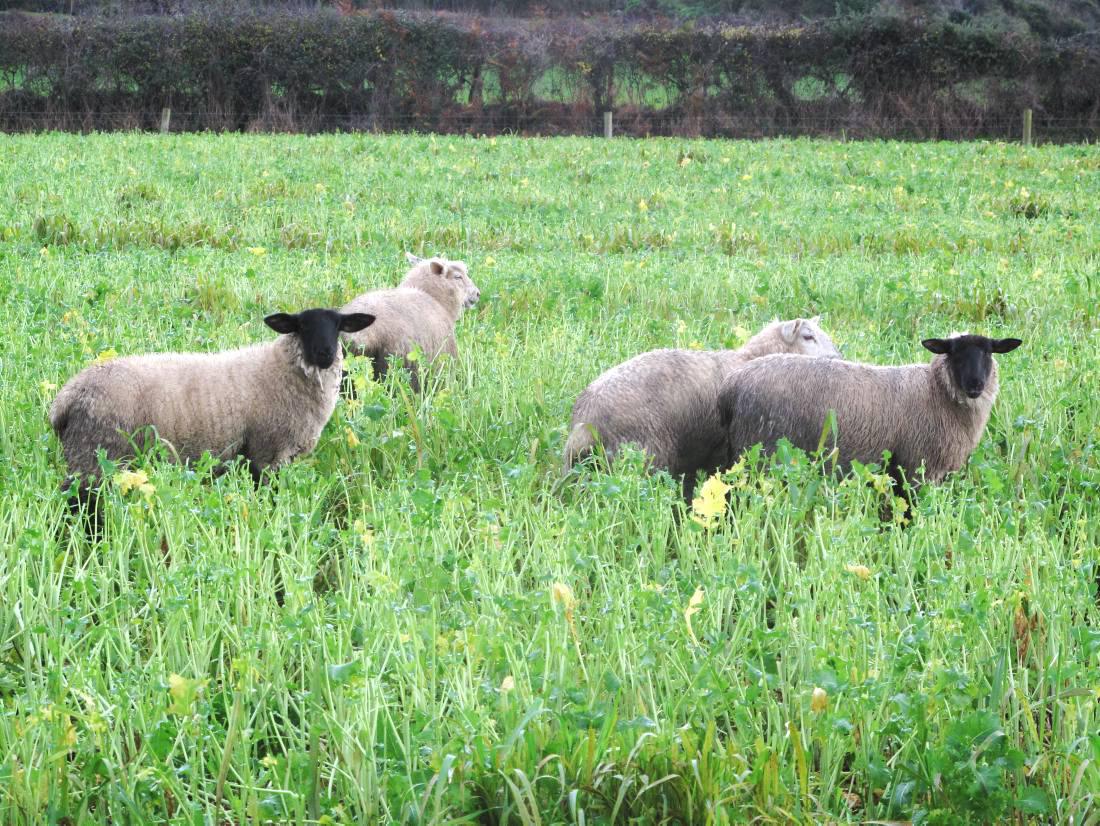
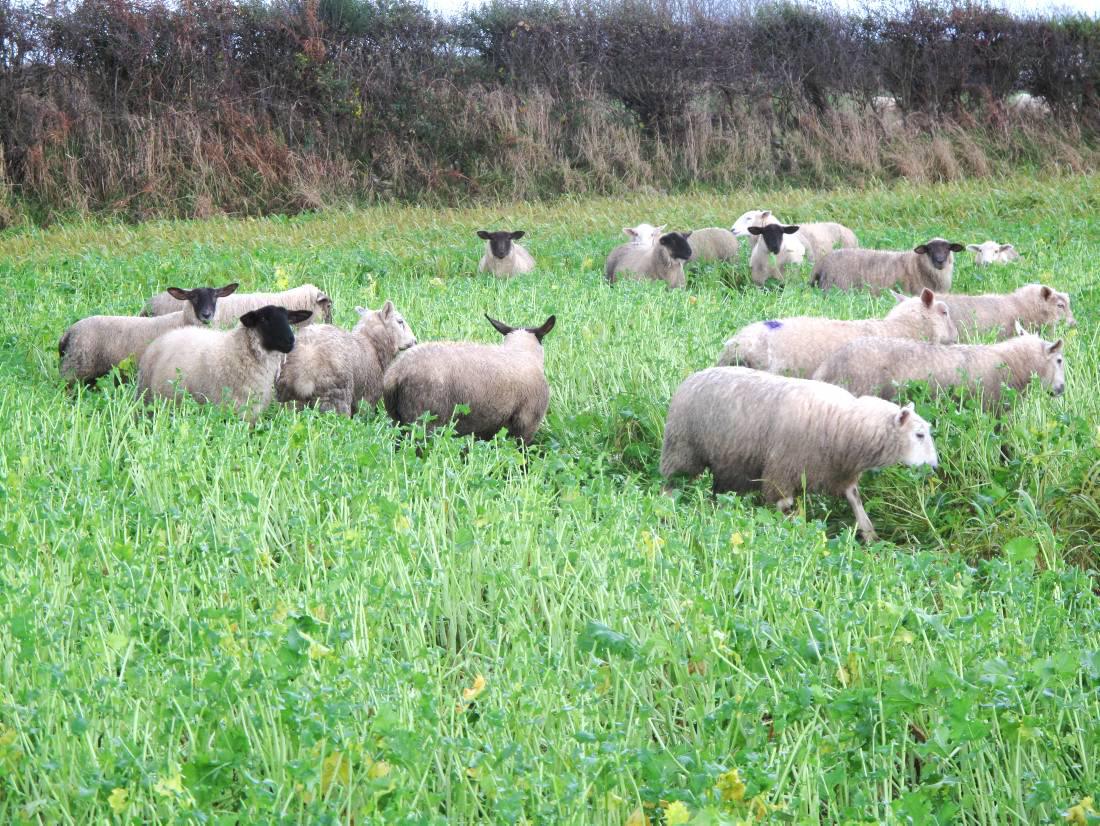
At the time of the farm walk, there were 180 lambs left for slaughter (excluding replacements). These lambs were given access to rape, sown as a catch crop after spring oats/wheat on 17 August, in the previous two weeks. Another 50 lambs with an average weight of 49kg were drafted for slaughter that week.
Concentrate supplementation was increased to 0.7kg per head with the aim of getting all lambs gone by mid-December.
Ned reports that this week, lambs are thriving excellently, with 50 more drafted for sale and only 80 left.
Farmer opinion on beet
Ned says that growing fodder beet in the tillage enterprise is a big advantage to being able to grow the crop for sheep with planting costs reduced.
He says that the huge bulk of feed achieved from a small area is central to allowing him to cater his current system to reduced labour input.
“At my stocking rate, I find that I run out of grass from early to mid-November in a normal year. Beet gives me more flexibility and there is far less work with it than housing ewes for this long of a winter.
“There is a few hours’ work in setting up the fence, but after that it only takes an average of a couple of hours a day to feed and check stock. I suppose it is like outdoor lambing.
“Plans have to be put in place in advance to get the best fit for your farm. You also need a bit of luck with weather to get high utilisation (70-80%) and a site that isn’t prone to frost (exposed beet will rot in successive heavy frosts).”
Variety choice
The variety sown in 2014 is Jamon, with Feldherr sowed previously. Ned explained these are most suitable for grazing in situ by sheep. This is because a high percentage of the root sits above the ground, making it more readily available to animals and offering the potential for higher utilisation. The variety is also lower in dry matter at 14% to 15% (crop range from 13% to 20%) meaning it is easier for livestock to bite into and consume.
Even though it has a low dry matter, the variety has a favourable yield relative to other medium and high dry matter varieties. General properties of fodder beet are summarised below:
Metabolisable energy value 12.5 – 13.5 MJ/kg DM.Crude protein 6% to 8%.Typical dry matter range 13% to 20%.As a general guide, with barley at €200/t, fodder beet is worth the equivalent of €40/t delivered, or typically 4-5kg of fodder beet fresh weight has a similar feeding value to 1kg of barley fresh weight .
About two weeks ago, I attended a STAP (Sheep Technology Adoption Programme) meeting of the East Waterford Sheep Group on the farm of Ned Morrissey, Dunhill, Waterford. The group, facilitated by Teagasc B&T adviser Paddy O’Brien, has about 20 members who were coming together for their first meeting of the 2015 programme.
Two topics of discussion, stemmed by circumstances on farm, were lamb performance in 2014 and finishing options for remaining lambs and winter management of ewes. Ned runs a mid-season lambing flock of 370 ewes along with a significant tillage enterprise. The sheep enterprise is based on finding the best balance between maximising output and reducing labour input.
Pushing the limits
The stocking rate on the grassland area is pushed to the limit at 13 ewes/ha (5.26 ewes/acre) without accounting for replacement ewe lambs. Ewe breed is targeted at medium prolificacy (scanning about 1.8 lambs per ewe).
Some Belclare and Lleyn genetics have been incorporated into the flock in recent years, but the base ewe breeding is Suffolk, with breeding in older ewes in the flock going back to Suffolk Cheviot cross ewes.
Ewe lambs are run dry with replacements incorporated into the flock as hoggets and used as an aid for grassland management. Breeding is criss-crossed with Suffolk rams run with the whiter-faced ewes in the flock and a Lleyn ram with Suffolk ewes (targeting easier care and reduced ewe size). Charollais and Ile de France rams are also used, with ewes mated in three groups.
Reducing labour input
Maintaining this breed cross and avoiding progressing too far down the high prolificacy route has been part of the overall farm plan to take labour, where possible, out of the system.
In recent years, this has been achieved by a switch from housing and lambing ewes indoors to outwintering ewes and lambing outdoors.
Outdoor lambing has been achieved by careful planning and closing of paddocks to have a supply of grass in spring while outwintering ewes is made possible by growing fodder beet and grazing it in situ over the winter months.
Due to its rare occurrence in Irish sheep enterprises, there was keen interest on the day in grazing fodder beet. Ned explains that having experimented with other forage crops such as kale, rape and swedes, there was no competing with the volume of dry matter feed produced by fodder beet.
In a normal year, the crop will produce 35t/acre, while Ned expects the favourable growing conditions to have produced 40t/acre this year (excluding beet tops).
Grazing in situ
The high feed value and palatability of fodder beet (1kg DM = 1.12 UFL/kg DM or 12.5 to 13.5 ME MJ/kg DM) requires careful grazing management to prevent digestive upsets.
“Getting ewes started is the tricky bit as ewes will gorge themselves on the tops, which are the most toxic. At the start, ewes are let in for an hour for a few days, then a couple of hours and gradually built up to about four to five hours per day, depending on the volume of beet available.
“I have been doing this for the last few years and found it is working well. The first year, ewes were given near ad-lib access to beet which wasn’t suitable with ewes overfed and too strong at lambing.”
It is estimated that ewes are consuming about 7kg to 8kg freshweight of beet, which at an estimated dry matter percentage of 14% to 15% for the variety is delivering slightly over 1kg dry matter feed intake per day. Intake is higher when ewes first enter a new section of the crop, but averages out over the 10-day period.
Fodder beet is grown in two grassland areas measuring 2.5 acres and is incorporated into a reseeding programme. The area where fodder beet is grown is combined with a 2.5-acre runback.
The runback area acts as a sacrifice paddock for supplementing silage and feed/mineral buckets and is used for growing the crop the following year while the fodder beet area is reseeded and incorporated back into the grazing rotation.
The crop is strip-grazed on the narrowest side. Ned commented that ewes quickly get trained into grazing the crop for a few hours and returning back to the lie-back area.
“An electric fence is the only thing that works successfully. A few strands of wire is sufficient to keep ewes in the lie-back area, but net fencing is all that will work for strip grazing as ewes put a fair bit of pressure on the fence trying to graze ahead on the beet.”
The strip net fence is set up to give ewes about 10 days’ grazing. “Giving any more would let the beet get too exposed and reduce utilisation”.
The favourable grass growth in autumn has prolonged grazing of paddocks and seen the crop just starting to be grazed in the last week. Ned says each 2.5 acres should provide sufficient fodder to graze a batch of 180 ewes (three breeding groups combined into two groups) from mid-November to the end of February.
“The worst we can expect in a bad year is 30t/acre, which just means we need to supplement silage a bit more and manage the crop better.”
Ewes are usually assessed in early December after a few weeks on the crop, with lighter ewes not performing on the crop removed. These are usually older ewes with poorer mouths. A prerequisite for the crop to work successfully is maintaining a young flock that is capable of grazing the crop.
This is the reason for a strict culling policy being implemented and about 100 ewe hoggets each year being incorporated into the flock. Ewes are assessed again at scanning in mid-January and any ewes in below optimum body condition or carrying triplet lambs are removed. These ewes are removed and allowed in-and-out access to washed fodder beet and silage indoors and a restricted grazing area outdoors.
Outdoor lambing
Ewes are usually removed from the crop ten days to two weeks before lambing and set stocked in seven paddocks around the farmyard in groups of 25 to 35 ewes.
These paddocks were closed in October to have sufficient grass available to carry ewes through lambing without the need for supplementary feeding. Access to fresh grass meets the increased protein demands in late pregnancy, ensuring ewes lamb with sufficient colostrum.
Ewes are generally maintained in their groups during lambing and are gradually batched into larger grazing groups of 125 ewes. Ewes are grazed rotationally in a paddock system until weaning.
Lamb performance
Lamb performance for the early part of the year was very favourable. However, like other discussion group members, Ned’s farm experienced drought conditions in July/August which impacted on grass growth and quality and negatively affected lamb performance.
Targeted meal supplementation was introduced at 0.25kg in mid-August to lambs weighing 40kg plus and Ned says it achieved a good response in maintaining a steady drafting pattern. As lambs were drafted, they were replaced by other lambs approaching this target weight.
At the time of the farm walk, there were 180 lambs left for slaughter (excluding replacements). These lambs were given access to rape, sown as a catch crop after spring oats/wheat on 17 August, in the previous two weeks. Another 50 lambs with an average weight of 49kg were drafted for slaughter that week.
Concentrate supplementation was increased to 0.7kg per head with the aim of getting all lambs gone by mid-December.
Ned reports that this week, lambs are thriving excellently, with 50 more drafted for sale and only 80 left.
Farmer opinion on beet
Ned says that growing fodder beet in the tillage enterprise is a big advantage to being able to grow the crop for sheep with planting costs reduced.
He says that the huge bulk of feed achieved from a small area is central to allowing him to cater his current system to reduced labour input.
“At my stocking rate, I find that I run out of grass from early to mid-November in a normal year. Beet gives me more flexibility and there is far less work with it than housing ewes for this long of a winter.
“There is a few hours’ work in setting up the fence, but after that it only takes an average of a couple of hours a day to feed and check stock. I suppose it is like outdoor lambing.
“Plans have to be put in place in advance to get the best fit for your farm. You also need a bit of luck with weather to get high utilisation (70-80%) and a site that isn’t prone to frost (exposed beet will rot in successive heavy frosts).”
Variety choice
The variety sown in 2014 is Jamon, with Feldherr sowed previously. Ned explained these are most suitable for grazing in situ by sheep. This is because a high percentage of the root sits above the ground, making it more readily available to animals and offering the potential for higher utilisation. The variety is also lower in dry matter at 14% to 15% (crop range from 13% to 20%) meaning it is easier for livestock to bite into and consume.
Even though it has a low dry matter, the variety has a favourable yield relative to other medium and high dry matter varieties. General properties of fodder beet are summarised below:
Metabolisable energy value 12.5 – 13.5 MJ/kg DM.Crude protein 6% to 8%.Typical dry matter range 13% to 20%.As a general guide, with barley at €200/t, fodder beet is worth the equivalent of €40/t delivered, or typically 4-5kg of fodder beet fresh weight has a similar feeding value to 1kg of barley fresh weight . 




SHARING OPTIONS