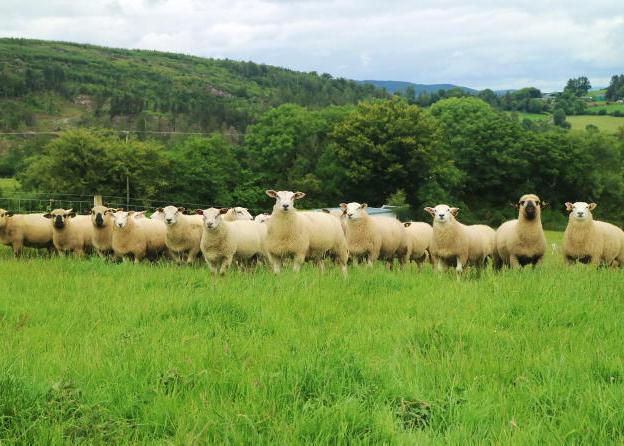
Weaning management: Table 1 details a guideline of optimum weaning dates based on a 14-week lactation period.
Abrupt weaning is typically the preferred option. While it stimulates higher stress levels at the outset, this is typically short lived and the big advantage is being able to prioritise the best-quality grass available for lambs while streamlining management practices. The extent to which performance is curtailed is dependent on grass quality.
Gradual weaning, where a number of ewes are removed from the flock on a continual basis such as every few days for example, will lower lamb stress levels. However, the merits of lower stress levels are often negated by lambs competing with ewes for average-quality grass and the check in performance from weaning being exaggerated.
Lamb castration: Weaning is a good time to assess male lambs and make decisions on lamb castration. Account should be taken of the age of lambs, their condition, lamb finishing plans and the target market. For a start lambs can only be castrated with a burdizzo up to three months of age under the Bord Bia Sustainable Beef and Lamb Assurance Scheme.
Forward ram lambs that have progressed beyond the optimum timeframe for castrating may be better finished in a system of batching them together and targeting such lambs with a higher level of nutrition. Lambs that will be likely run with ewe lambs later in the season should be castrated now.
Where a decision is taken to castrate then administering a clostridial vaccine is advised to guard against tetanus, while blowfly protection is vital. When castrating be careful to avoid catching the urinary tract when closing the burdizzo – clamp the jaws shut and release immediately without overlapping the castration site on each side. Delayed opening or longer-term closure can lead to extra injury and swelling.
Selecting replacements: Weaning is also a good opportunity to provisionally select replacements if not already complete. This avoids replacements with the best genetics leaving the flock through the first few drafts of lambs. It is best to initially select 10% to 15% more replacements than required to allow for further selection based on performance post-weaning.
Weather management: By the time many are reading this, the brief spell of higher temperatures will have abated. But for those reading on Wednesday night or Thursday morning then it is wise to ensure that breeding rams and particularly ram lambs on an intensive diet have access to good shelter and convenient access to water supply. Refrain from working sheepdogs and transporting/flocking animals during peak temperatures and also provide shade for freshly shorn sheep.