A perception that the performance of ewes and their lambs will be reduced where turned on to hill or upland grazing post-lambing is increasing the risk of biodiversity loss and the long term innate ability of sheep to heft to specific regions.
This threat is the basis behind a new collaborative Teagasc and SRUC study investigating the effect of post-partum management on flock performance and grazing behaviour of
hill sheep.
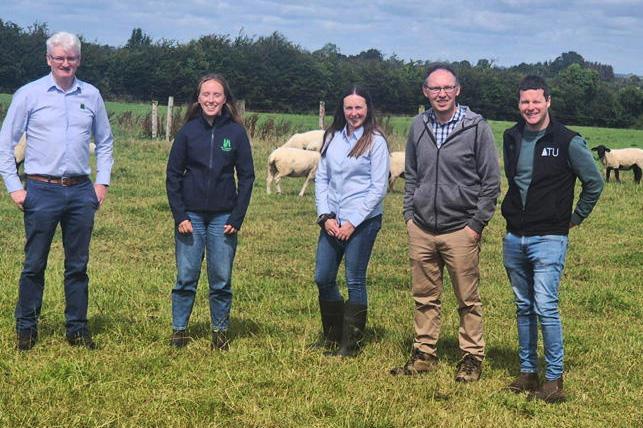
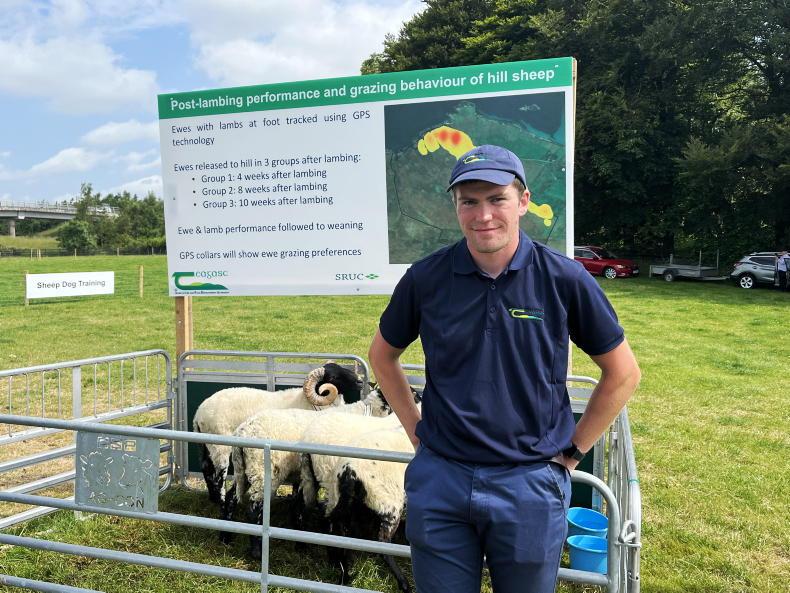
The project is headed up by Michael Dever, a PhD student in the Walsh Scholars Programme, who is working closely with Frank Campion, Teagasc Research Officer and SRUC’s Claire Morgan-Davies and Ann McLaren.
Michael explained that reports suggest a growing number of farmers are becoming reluctant to put ewes to the hill after lambing, fearing a perceived loss in lamb performance.
This leads to inadequate grazing of hill vegetation during peak summer growth and in turn can lead to an increase in rank vegetation.
This vegetation is less palatable to sheep when eventually turned on to hill areas and the accumulation of vegetation results in reduced biodiversity as habitats are smothered.
In addition, there is a heightened risk of a loss of so-called ‘heft’ in sheep with ewes not capable of passing on their knowledge of the hill to their offspring at a critical time in their development while key farmer management skills can be lost as they are not passed on to the next generation of farmers.
In contrast to perceived lower performance, Michael states that anecdotal evidence from the Sustainable Uplands Agri-Environment Scheme (SUAS) European Innovation Partnership (EIP) project reported that earlier grazing of the hill by ewes with lambs at foot resulted in improved grazing of hill vegetation without a reduction in lamb performance.
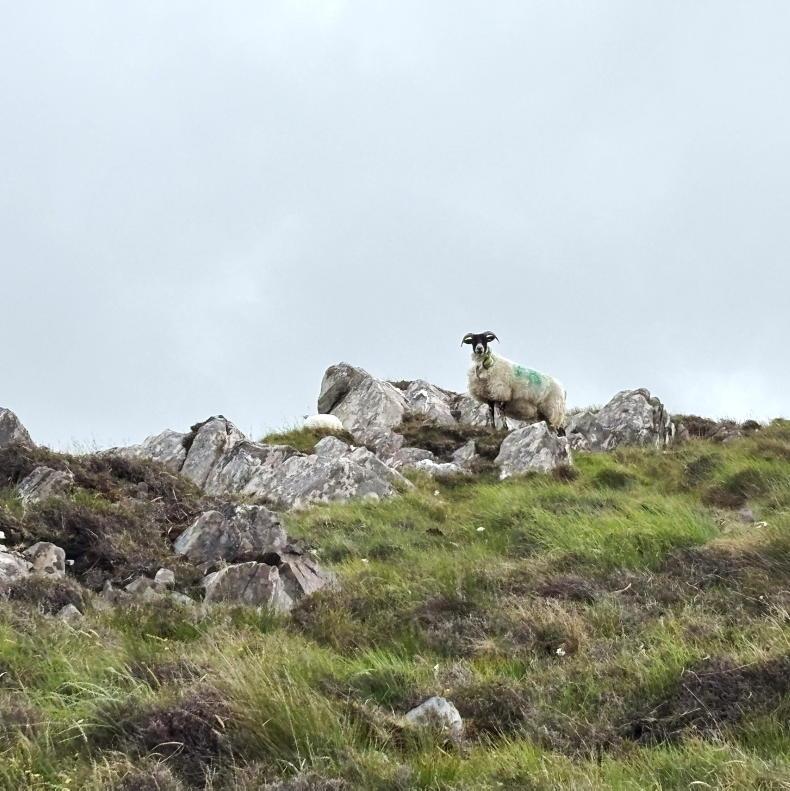
The study is investigating the effect of turnout dates to hill grazing on ewe and lamb performance.
Such a scenario delivers on two fronts – sustains higher performance in grazing livestock and manages vegetation to protect biodiversity and in doing so safeguard area-based support payments.
The question of the effect of hill grazing on ewe and lamb performance pre-weaning and how pre-weaning hill grazing affects ewe grazing behaviour and hill ecology is being investigated across four experiments – namely animal performance, grazing behaviour, grazing impact and maternal influence on daughter home range.
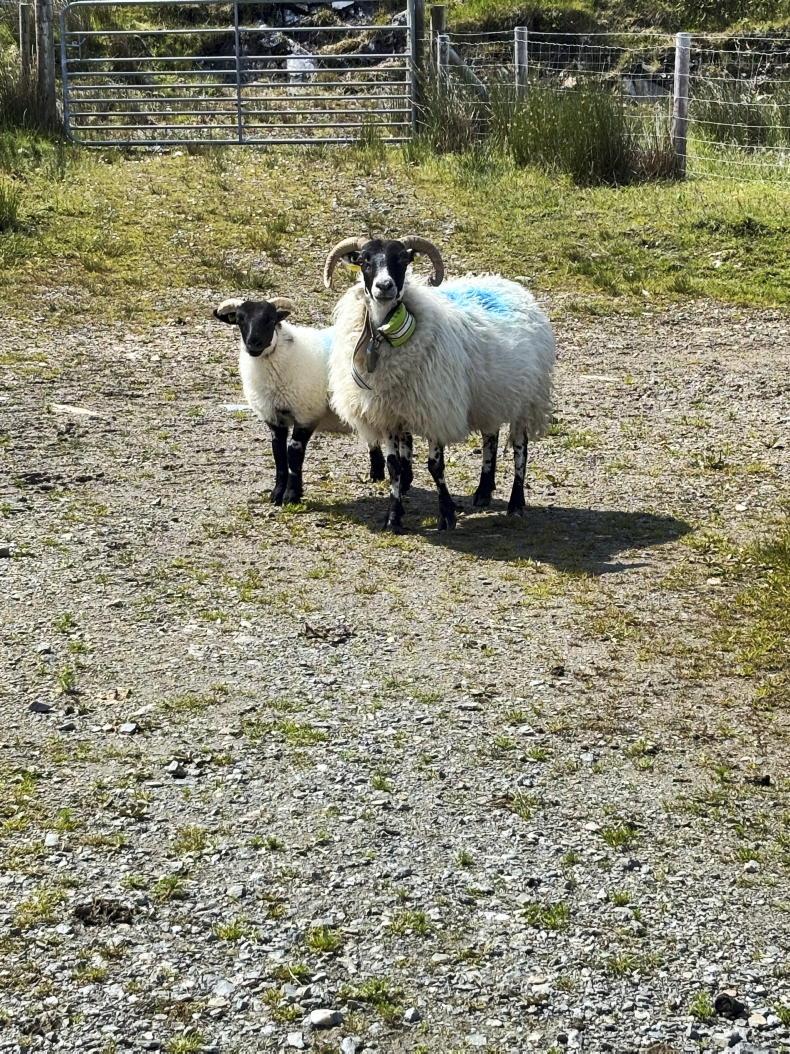
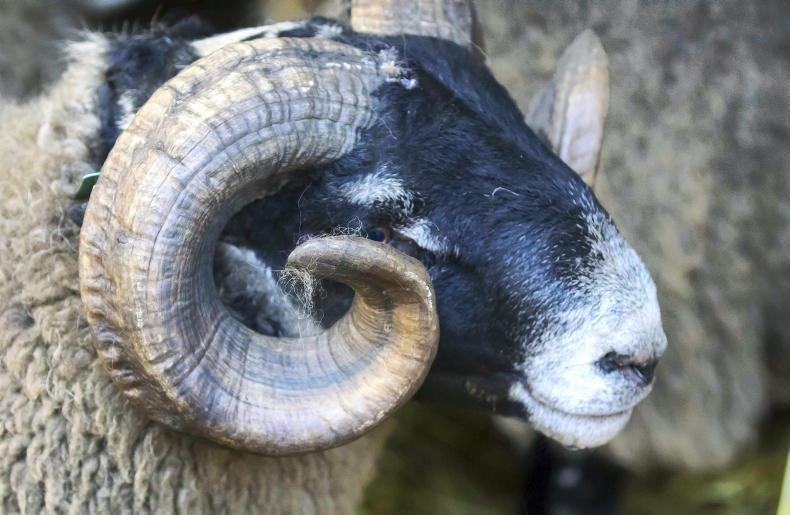
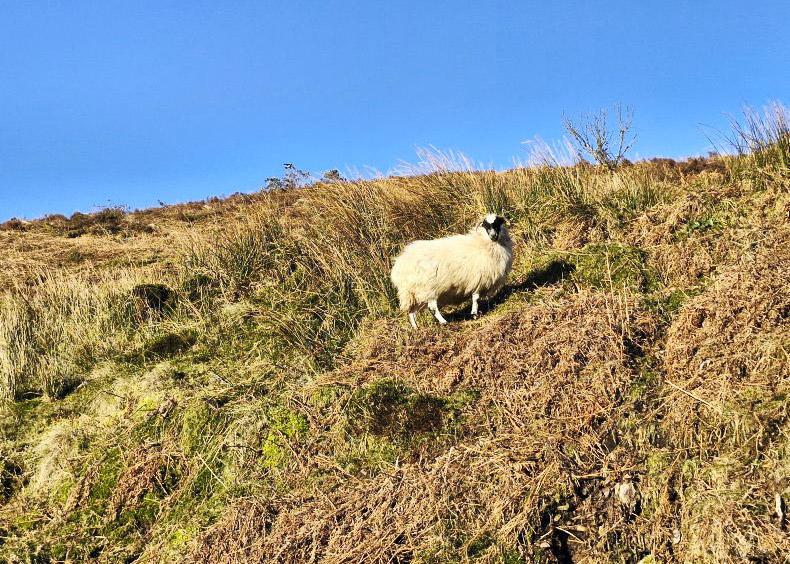
A Scottish Blackface ewe fitted with a GPS collar and her lamb.
The study was carried out in 2025 on the farm of Tomás O’Toole, Galway sheep farmer and participant in the Teagasc BETTER farm sheep programme and will be expanded to another Galway BETTER farm programme farm run by Martin Joe Kerrigan in 2026. This will allow access to approximately 290 ewes on two commercial farms which differ in land type and will be run over three years.
Single-rearing ewes and their lambs will be turned to hill grazing in three treatment groups based on lamb age at four weeks post-partum, eight weeks post-partum and 10 weeks post-partum. Extensive performance recording will take place including ewe liveweight at turnout, weaning and subsequent mating with body condition also assessed at these junctures and at lambing.
Lamb liveweight will be recorded at birth, turnout to hill vegetation and at weaning.
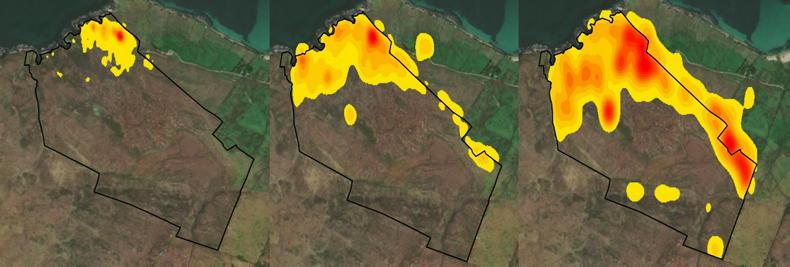
The heat map showing from left grazing on 1 June, 1 July and 1 August.
Provisional results from year one of the trial shows no significant difference in average daily gain or weaning weight in lambs across the three grazing treatments.
Data will be statistically analysed in the coming months while there will be more weight behind the data in year two with higher numbers in the treatments across two farms.
The grazing behaviour of sheep is being tracked by ewes fitted with DigitAnimal GPS Collars while grazing on the hill. A standard operating procedure was developed to give enough weight to the data collected.
A total of 37 ewes were fitted with GPS collars in year 1 to deliver a representative sample of grazing behaviour.
This delivered 91,000 GPS fixes over the summer grazing period.
Figure 1 shows raw data for the first treatment group released to the hill on 1 June, 1 July and 1 August to give an idea of the type of data generated by the GPS collars.

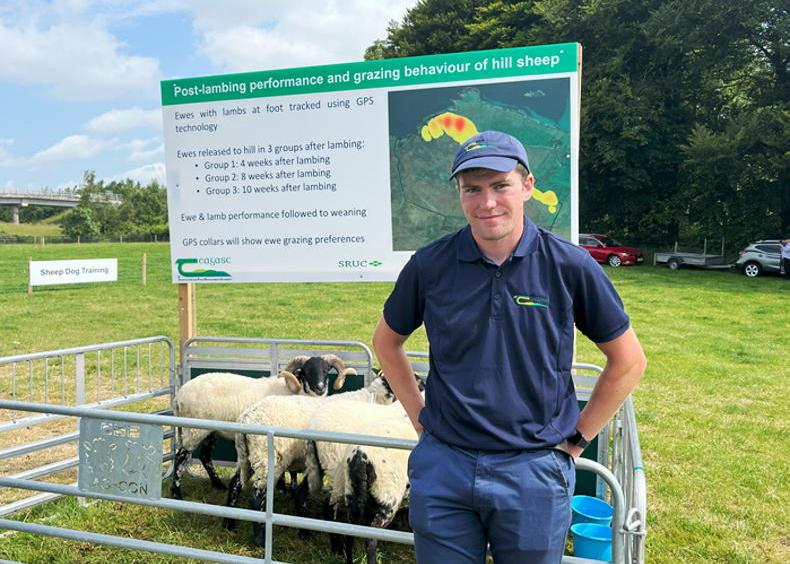
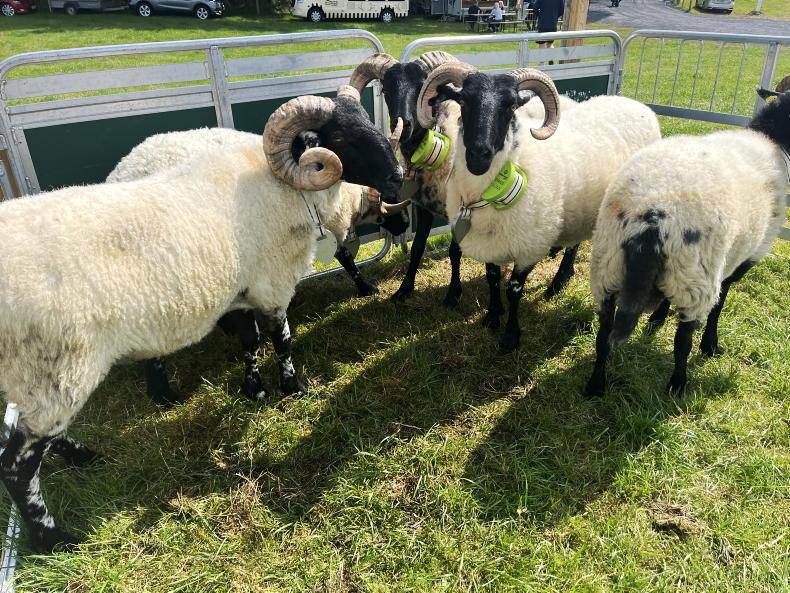
Ewes with GPS collars on display at Sheep2025.
Work will take place over the coming months on verifying the information collected but as can be seen sheep graze more of the grazing area the longer they are on the hill.
This is important from the point of view of habitat management but also underpins performance as sheep seek out fresh vegetation to graze.
An ecological survey of hill areas will be completed with an uplands ecologist in years one and three to analyse the condition of vegetation.
This will look for aspects such as habitat quality and under or over grazing. The Department of Agriculture’s Agri-Climate Rural Environment Scheme (ACRES) scorecard-based system is being used to assess changes in the habitat over a short period.
Herbage samples are also being collected to compare high grazing preference with low grazing preference.
This will continue over the winter months to profile winter versus summer forage analysis.
Baseline data was established to monitor changes over time.
There was indications of both undergrazing and overgrazing in year one.
Work will commence in 2026 to investigate the influence of maternal home range or heft on replacement ewes.
This will follow the movement of replacement hoggets over winter and as ewes with lambs at foot.
This is important in tracking if the date of turning animals on to hills has any effect on grazing behaviour.
A perception that the performance of ewes and their lambs will be reduced where turned on to hill or upland grazing post-lambing is increasing the risk of biodiversity loss and the long term innate ability of sheep to heft to specific regions.
This threat is the basis behind a new collaborative Teagasc and SRUC study investigating the effect of post-partum management on flock performance and grazing behaviour of
hill sheep.
The project is headed up by Michael Dever, a PhD student in the Walsh Scholars Programme, who is working closely with Frank Campion, Teagasc Research Officer and SRUC’s Claire Morgan-Davies and Ann McLaren.
Michael explained that reports suggest a growing number of farmers are becoming reluctant to put ewes to the hill after lambing, fearing a perceived loss in lamb performance.
This leads to inadequate grazing of hill vegetation during peak summer growth and in turn can lead to an increase in rank vegetation.
This vegetation is less palatable to sheep when eventually turned on to hill areas and the accumulation of vegetation results in reduced biodiversity as habitats are smothered.
In addition, there is a heightened risk of a loss of so-called ‘heft’ in sheep with ewes not capable of passing on their knowledge of the hill to their offspring at a critical time in their development while key farmer management skills can be lost as they are not passed on to the next generation of farmers.
In contrast to perceived lower performance, Michael states that anecdotal evidence from the Sustainable Uplands Agri-Environment Scheme (SUAS) European Innovation Partnership (EIP) project reported that earlier grazing of the hill by ewes with lambs at foot resulted in improved grazing of hill vegetation without a reduction in lamb performance.

The study is investigating the effect of turnout dates to hill grazing on ewe and lamb performance.
Such a scenario delivers on two fronts – sustains higher performance in grazing livestock and manages vegetation to protect biodiversity and in doing so safeguard area-based support payments.
The question of the effect of hill grazing on ewe and lamb performance pre-weaning and how pre-weaning hill grazing affects ewe grazing behaviour and hill ecology is being investigated across four experiments – namely animal performance, grazing behaviour, grazing impact and maternal influence on daughter home range.

A Scottish Blackface ewe fitted with a GPS collar and her lamb.
The study was carried out in 2025 on the farm of Tomás O’Toole, Galway sheep farmer and participant in the Teagasc BETTER farm sheep programme and will be expanded to another Galway BETTER farm programme farm run by Martin Joe Kerrigan in 2026. This will allow access to approximately 290 ewes on two commercial farms which differ in land type and will be run over three years.
Single-rearing ewes and their lambs will be turned to hill grazing in three treatment groups based on lamb age at four weeks post-partum, eight weeks post-partum and 10 weeks post-partum. Extensive performance recording will take place including ewe liveweight at turnout, weaning and subsequent mating with body condition also assessed at these junctures and at lambing.
Lamb liveweight will be recorded at birth, turnout to hill vegetation and at weaning.

The heat map showing from left grazing on 1 June, 1 July and 1 August.
Provisional results from year one of the trial shows no significant difference in average daily gain or weaning weight in lambs across the three grazing treatments.
Data will be statistically analysed in the coming months while there will be more weight behind the data in year two with higher numbers in the treatments across two farms.
The grazing behaviour of sheep is being tracked by ewes fitted with DigitAnimal GPS Collars while grazing on the hill. A standard operating procedure was developed to give enough weight to the data collected.
A total of 37 ewes were fitted with GPS collars in year 1 to deliver a representative sample of grazing behaviour.
This delivered 91,000 GPS fixes over the summer grazing period.
Figure 1 shows raw data for the first treatment group released to the hill on 1 June, 1 July and 1 August to give an idea of the type of data generated by the GPS collars.

Ewes with GPS collars on display at Sheep2025.
Work will take place over the coming months on verifying the information collected but as can be seen sheep graze more of the grazing area the longer they are on the hill.
This is important from the point of view of habitat management but also underpins performance as sheep seek out fresh vegetation to graze.
An ecological survey of hill areas will be completed with an uplands ecologist in years one and three to analyse the condition of vegetation.
This will look for aspects such as habitat quality and under or over grazing. The Department of Agriculture’s Agri-Climate Rural Environment Scheme (ACRES) scorecard-based system is being used to assess changes in the habitat over a short period.
Herbage samples are also being collected to compare high grazing preference with low grazing preference.
This will continue over the winter months to profile winter versus summer forage analysis.
Baseline data was established to monitor changes over time.
There was indications of both undergrazing and overgrazing in year one.
Work will commence in 2026 to investigate the influence of maternal home range or heft on replacement ewes.
This will follow the movement of replacement hoggets over winter and as ewes with lambs at foot.
This is important in tracking if the date of turning animals on to hills has any effect on grazing behaviour.
SHARING OPTIONS