The OviFlock European Innovation Partnership (EIP) plans to establish hill sheep flockbooks (ancestry databases) within the Irish hill sheep industry. It will establish these flockbooks using the new and innovative digital solutions developed by an experienced operational group.
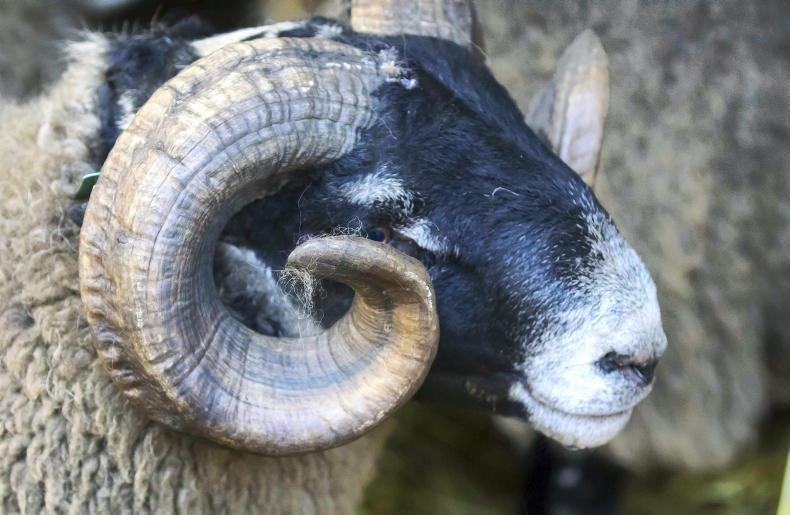
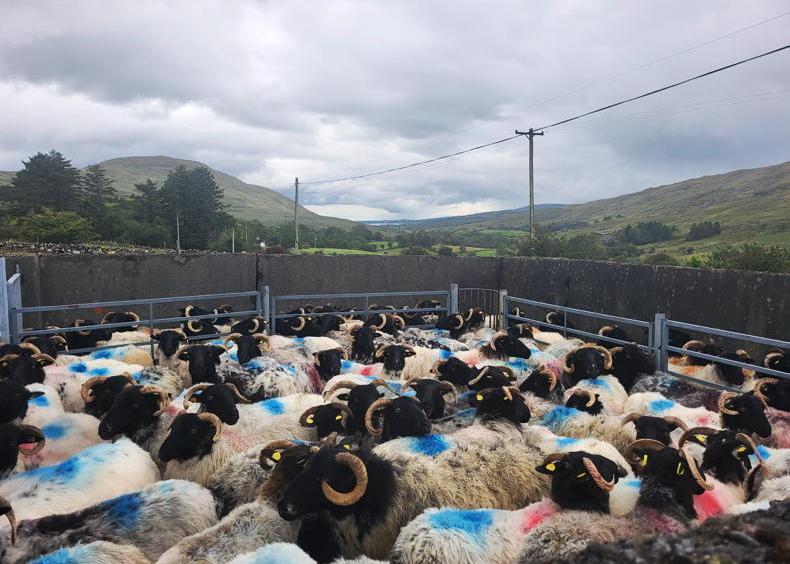
Currently in Ireland there are 17 hill sheep ram breeding groups which operate independently of each other promoting the use of different hill sheep breeds (six distinct breeds – Cheviot, Dingle Scotch Blackface, Lanark Blackface, Mayo-Connemara Blackface, Perth Blackface and Swaledale).
The groups do not record ancestry information for their respective hill sheep breeds, which is leading to a number of challenges for the sector, such as inbreeding, breed dilution and inability to make structured genetic improvement to name a few. OviFlock is engaging with all 17 groups at present to help change this situation and implement structures which will lay solid foundations for the future of hill sheep breeding in Ireland.
By establishing flockbooks, OviFlock will open the door for a genetic improvement programme to be implemented for Irish hill sheep for the first time. In terms of reducing input costs and increasing efficiency, genetic improvement is one of the most powerful tools that Ireland can employ to achieve this.
Description of project activities
1. Establish six distinct flockbook databases representing the hill sheep breeds currently in use in Ireland.2. Collection of DNA (ear punch) from all purebred female hill sheep in participating flocks. It is hoped that over 400 purebred hill breeding flocks will partake in this EIP over its five-year life-span.3. Development of smartphone app features to facilitate flockbook data capture and a suite of farmer friendly reports and functionality to carry out routine flockbook activities.4. Genotyping of chosen high-priority hill sheep dams (those which have sired breeding rams for future sale), providing complete parentage information for Irish hill rams for the first time.5. Collection of useful phenotypes (such as mouth quality, lameness data, etc) during DNA sampling flock visits which will provide the foundation for a suite of digital reports and future phenotype capture by participating breeders.6. Integration of hill sheep breeding information onto the sales ring digital displays of Irish sheep marts.OviFlock progress so far
To date the OviFlock team has visited 75 purebred hill flocks. Across these flocks just over 5,250 individual DNA samples have been collected from purebred hill ewes. These ewes will form the foundation of future flockbooks for each hill breed.
The objective of the project is to visit 125 flocks in the first 12 months and we are on track to achieve that aim. Flock visits take place within particular windows during the year to minimise disruption to flocks during key periods, such as mating and lambing and also to tie in with the practicalities of hill sheep farming, which is predominantly part-time.
The project organises visits at a time that is convenient for the participating farmer. While 5,250 have been DNA sampled to date, only a proportion of these ewe DNA samples will be forwarded for genotyping.
During each visit high-priority ewes are identified by breeders. Ewes that have sired ram lambs which are likely to be sold as future breeding rams are of highest priority to the project. The aim being to make fully parentage verified (sire and dam details) hill rams available for sale around Ireland.
Sourcing flocks for 2026
The OviFlock EIP is continuing to seek purebred hill ram breeders to sign-up to the project for 2026 and avail of the free female genotyping being made available through the EIP.
Hill ram breeders need to be current members of an established hill ram breeding group/association.
Hill flocks that have already engaged in sire genotyping to date are of particular interest.
These flocks will now be in a position to produce full parentage verification via genotyping for all breeding rams being presented for sale in the future.
The presence of visible and accurate parentage information for purebred hill breeding rams being sold annually are numerous but include:
Empowering ram buyers with vital information to avoid inbreeding.Facilitating more targeted breeding programmes among purebred ram breeders, again eliminating inbreeding.Reducing the dilution of Ireland’s purebred hill sheep population due to crossing between different hill breeds/genetics.Facilitating progress on scrapie resistance within Irish hill sheep.Opening the potential for performance recording and generation of EBVs (€uroStars) for Irish hill sheep.Any breeder wishing to join the OviFlock project can register their interest via the Sheep Ireland website (link to OviFlock located on the homepage). Any queries on the project can also be directed to query@sheep.ie or 023-82-045.The impact of the Sheep Improvement Scheme for hill ram breeders
Without question the DAFM Sheep Improvement Scheme ram task has laid a fantastic foundation for hill sheep breed improvement. The scheme, which launched in 2023, has created the impetus for hill sheep ram breeder to engage in genotyping and parentage verification and this has led to many immediate benefits.
Assigning sires to breeding rams currently in use across the purebred hill sector has helped to uncover numerous inbreeding risks, which would have previously gone undetected. The availability of sire information on potential ram purchases has instilled a new confidence at hill ram sales among ram buyers.
SIS hill ram demand for 2026
The Sheep Improvement Scheme ram task was designed to deliver maximum impact from the very outset of the scheme. All scheme participants were required to select the ram task within the first three years of the scheme – 2023, 2024 or 2025.
The number of SIS participants required to fulfil the ram task in 2026 and 2027 is set to decrease significantly, limited to larger flocks with >150 ewes who are required to complete the ram task twice in the lifetime of the five-year scheme.
This should not alarm those hill ram breeders that have engaged in producing SIS eligible rams to date. Now that hill ram breeders have been exposed to purchasing sire verified breeding rams, for the majority, there will be no turning back.
The SIS has been critical to establishing and demonstrating the benefits of sire verification, all stakeholders involved in the hill ram industry must now to do everything to promote its continued growth. A huge amount of progress has been made in the past three years and it is incumbent on everyone involved in the hill sector to keep this momentum going.
Without the SIS initiating the sire verification of hill rams, the funding for the new OviFlock EIP (to genotype purebred hill ewes) would not have been sourced.
There is no doubt that future funding initiatives, research funding, possible future Department of Agriculture schemes, etc, will be possible as a result of this progress.
It is critical that hill ram breeders continue producing these genotyped sire verified rams in the face of reduced SIS demand.
We are confident that demand for this information on our hill rams will continue to grow outside of scheme requirements.
The OviFlock European Innovation Partnership (EIP) plans to establish hill sheep flockbooks (ancestry databases) within the Irish hill sheep industry. It will establish these flockbooks using the new and innovative digital solutions developed by an experienced operational group.
Currently in Ireland there are 17 hill sheep ram breeding groups which operate independently of each other promoting the use of different hill sheep breeds (six distinct breeds – Cheviot, Dingle Scotch Blackface, Lanark Blackface, Mayo-Connemara Blackface, Perth Blackface and Swaledale).
The groups do not record ancestry information for their respective hill sheep breeds, which is leading to a number of challenges for the sector, such as inbreeding, breed dilution and inability to make structured genetic improvement to name a few. OviFlock is engaging with all 17 groups at present to help change this situation and implement structures which will lay solid foundations for the future of hill sheep breeding in Ireland.
By establishing flockbooks, OviFlock will open the door for a genetic improvement programme to be implemented for Irish hill sheep for the first time. In terms of reducing input costs and increasing efficiency, genetic improvement is one of the most powerful tools that Ireland can employ to achieve this.
Description of project activities
1. Establish six distinct flockbook databases representing the hill sheep breeds currently in use in Ireland.2. Collection of DNA (ear punch) from all purebred female hill sheep in participating flocks. It is hoped that over 400 purebred hill breeding flocks will partake in this EIP over its five-year life-span.3. Development of smartphone app features to facilitate flockbook data capture and a suite of farmer friendly reports and functionality to carry out routine flockbook activities.4. Genotyping of chosen high-priority hill sheep dams (those which have sired breeding rams for future sale), providing complete parentage information for Irish hill rams for the first time.5. Collection of useful phenotypes (such as mouth quality, lameness data, etc) during DNA sampling flock visits which will provide the foundation for a suite of digital reports and future phenotype capture by participating breeders.6. Integration of hill sheep breeding information onto the sales ring digital displays of Irish sheep marts.OviFlock progress so far
To date the OviFlock team has visited 75 purebred hill flocks. Across these flocks just over 5,250 individual DNA samples have been collected from purebred hill ewes. These ewes will form the foundation of future flockbooks for each hill breed.
The objective of the project is to visit 125 flocks in the first 12 months and we are on track to achieve that aim. Flock visits take place within particular windows during the year to minimise disruption to flocks during key periods, such as mating and lambing and also to tie in with the practicalities of hill sheep farming, which is predominantly part-time.
The project organises visits at a time that is convenient for the participating farmer. While 5,250 have been DNA sampled to date, only a proportion of these ewe DNA samples will be forwarded for genotyping.
During each visit high-priority ewes are identified by breeders. Ewes that have sired ram lambs which are likely to be sold as future breeding rams are of highest priority to the project. The aim being to make fully parentage verified (sire and dam details) hill rams available for sale around Ireland.
Sourcing flocks for 2026
The OviFlock EIP is continuing to seek purebred hill ram breeders to sign-up to the project for 2026 and avail of the free female genotyping being made available through the EIP.
Hill ram breeders need to be current members of an established hill ram breeding group/association.
Hill flocks that have already engaged in sire genotyping to date are of particular interest.
These flocks will now be in a position to produce full parentage verification via genotyping for all breeding rams being presented for sale in the future.
The presence of visible and accurate parentage information for purebred hill breeding rams being sold annually are numerous but include:
Empowering ram buyers with vital information to avoid inbreeding.Facilitating more targeted breeding programmes among purebred ram breeders, again eliminating inbreeding.Reducing the dilution of Ireland’s purebred hill sheep population due to crossing between different hill breeds/genetics.Facilitating progress on scrapie resistance within Irish hill sheep.Opening the potential for performance recording and generation of EBVs (€uroStars) for Irish hill sheep.Any breeder wishing to join the OviFlock project can register their interest via the Sheep Ireland website (link to OviFlock located on the homepage). Any queries on the project can also be directed to query@sheep.ie or 023-82-045.The impact of the Sheep Improvement Scheme for hill ram breeders
Without question the DAFM Sheep Improvement Scheme ram task has laid a fantastic foundation for hill sheep breed improvement. The scheme, which launched in 2023, has created the impetus for hill sheep ram breeder to engage in genotyping and parentage verification and this has led to many immediate benefits.
Assigning sires to breeding rams currently in use across the purebred hill sector has helped to uncover numerous inbreeding risks, which would have previously gone undetected. The availability of sire information on potential ram purchases has instilled a new confidence at hill ram sales among ram buyers.
SIS hill ram demand for 2026
The Sheep Improvement Scheme ram task was designed to deliver maximum impact from the very outset of the scheme. All scheme participants were required to select the ram task within the first three years of the scheme – 2023, 2024 or 2025.
The number of SIS participants required to fulfil the ram task in 2026 and 2027 is set to decrease significantly, limited to larger flocks with >150 ewes who are required to complete the ram task twice in the lifetime of the five-year scheme.
This should not alarm those hill ram breeders that have engaged in producing SIS eligible rams to date. Now that hill ram breeders have been exposed to purchasing sire verified breeding rams, for the majority, there will be no turning back.
The SIS has been critical to establishing and demonstrating the benefits of sire verification, all stakeholders involved in the hill ram industry must now to do everything to promote its continued growth. A huge amount of progress has been made in the past three years and it is incumbent on everyone involved in the hill sector to keep this momentum going.
Without the SIS initiating the sire verification of hill rams, the funding for the new OviFlock EIP (to genotype purebred hill ewes) would not have been sourced.
There is no doubt that future funding initiatives, research funding, possible future Department of Agriculture schemes, etc, will be possible as a result of this progress.
It is critical that hill ram breeders continue producing these genotyped sire verified rams in the face of reduced SIS demand.
We are confident that demand for this information on our hill rams will continue to grow outside of scheme requirements.
SHARING OPTIONS