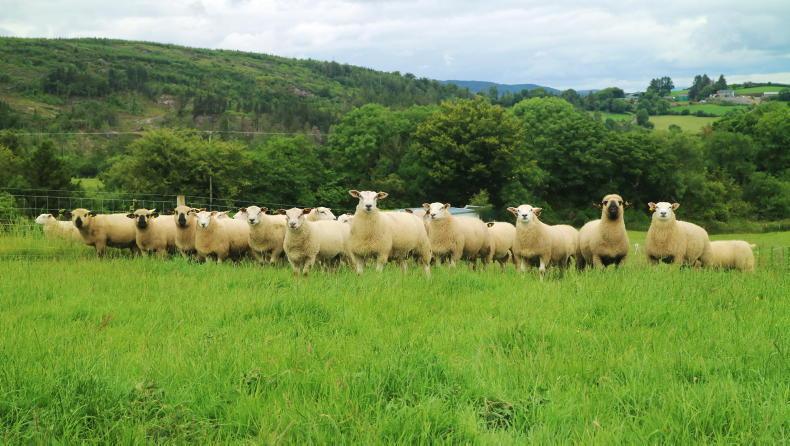
Breeding sheep with lower methane traits would match the emissions reductions secured through a 75,000-cow cull over the next 25-30 years, according to Teagasc’s Dr Nóirín McHugh.
Dr McHugh, leader of the ongoing Sheep Ireland and Teagasc GREENBREED sheep methane measurement project, said that while sheep produce less methane individually, the national flock emits the same as 250,000 of the national cattle herd.
GREENBREED has found that sheep with the highest genetic merit have 15% lower emissions than those with the lowest genetic merit. Off the back of this, the Teagasc scientist said that pending the required ram selection, national flock emissions could be cut 1% year on year, or 30% in 30 years. The 30% cut would equate to removing 75,000 cows from the national herd.
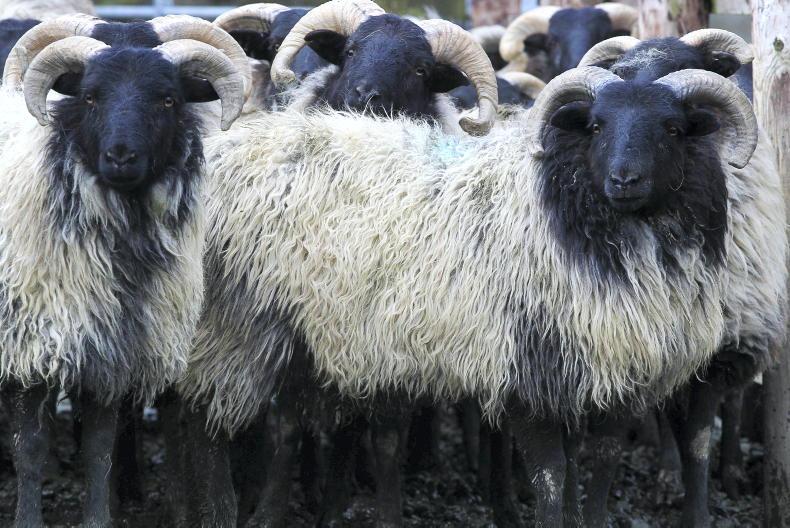
Low methane sheep breeding could secure large emissions reduction for the national inventory. \ Ramona Farrelly
Emissions
Dr McHugh’s team found that the average ewe emits 21g of methane per day while dry and 28g while lactating, about 10% of what a cow produces.
However, there was huge variation in the methane released by individual ewes, with average daily methane levels of between 12g and 40g observed. Hogget ewes and fourth- and fifth-lambers were found to have the lowest emissions, along with ewes rearing single lambs, while larger, mid-crop ewes with multiples had higher emissions.
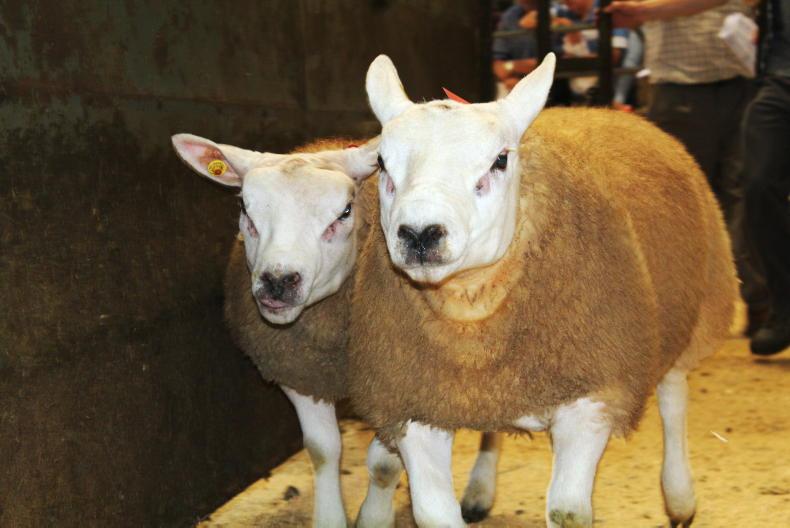
There was huge variation within breeds in the project, with two Texel rams producing mature daughters of the same weight but with different levels of methane.
Dr McHugh said that by next year, GREENBREED will be able to pull out the sheep breeds with the lowest emissions and that they are “lining it up” so that the findings can be incorporated in the national carbon inventory.
Read more
High genetic merit sheep emit 15% lower emissions
Limousins rate best in methane research
Breeding sheep with lower methane traits would match the emissions reductions secured through a 75,000-cow cull over the next 25-30 years, according to Teagasc’s Dr Nóirín McHugh.
Dr McHugh, leader of the ongoing Sheep Ireland and Teagasc GREENBREED sheep methane measurement project, said that while sheep produce less methane individually, the national flock emits the same as 250,000 of the national cattle herd.
GREENBREED has found that sheep with the highest genetic merit have 15% lower emissions than those with the lowest genetic merit. Off the back of this, the Teagasc scientist said that pending the required ram selection, national flock emissions could be cut 1% year on year, or 30% in 30 years. The 30% cut would equate to removing 75,000 cows from the national herd.

Low methane sheep breeding could secure large emissions reduction for the national inventory. \ Ramona Farrelly
Emissions
Dr McHugh’s team found that the average ewe emits 21g of methane per day while dry and 28g while lactating, about 10% of what a cow produces.
However, there was huge variation in the methane released by individual ewes, with average daily methane levels of between 12g and 40g observed. Hogget ewes and fourth- and fifth-lambers were found to have the lowest emissions, along with ewes rearing single lambs, while larger, mid-crop ewes with multiples had higher emissions.
There was huge variation within breeds in the project, with two Texel rams producing mature daughters of the same weight but with different levels of methane.
Dr McHugh said that by next year, GREENBREED will be able to pull out the sheep breeds with the lowest emissions and that they are “lining it up” so that the findings can be incorporated in the national carbon inventory.
Read more
High genetic merit sheep emit 15% lower emissions
Limousins rate best in methane research
SHARING OPTIONS