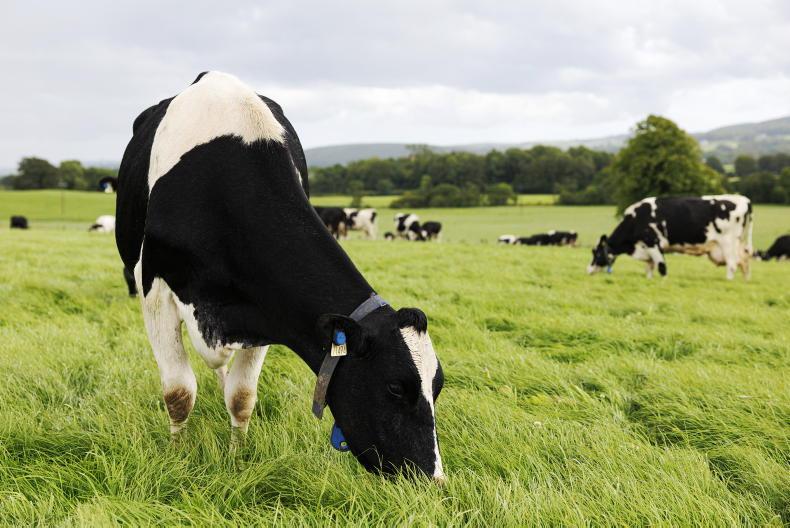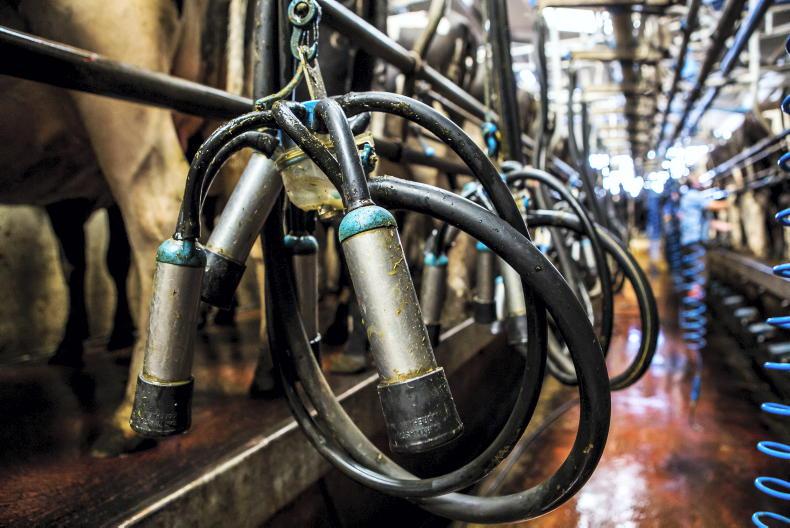
A report from authorities in Denmark that one in every four dairy herds using the methane-reducing feed additive 3-nitrooxypropanol (3-NOP) have seen herd health issues prompted the European Food Safety Authority (EFSA) to issue a call for information on the additive.
The authority said that its call for information “follows the reporting by the Danish authorities of clinical signs of digestive and metabolic disorders in dairy cows in approximately one-quarter of the dairy farms which started using the additive 3-nitooxypropanol”.
Around 400 out of the 1,600 farms in Denmark using the additive reported these issues since December 2025, the EFSA said.
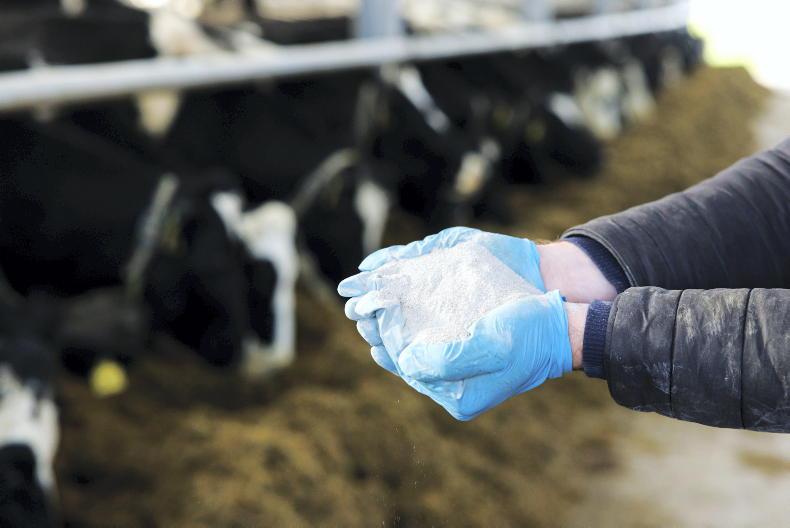
3-NOP is the active ingredient in the Bovaer methane inhibitor authorised for use in the EU.
The additive’s manufacturer DSM Firmenich claims that “feeding just a quarter of a teaspoon per head per day reduces methane emissions by an average of 30% for dairy cattle and up to 45% for beef cattle”.
Methane tax
It was as a result of this capacity to reduce methane emissions that pushed dairy farmers across Denmark to begin feeding the additive last year in a bid to comply with the country’s emissions rules, which also include a tax on methane.
However, the EFSA is now tasked with issuing a scientific opinion on 3-NOP on whether it is still safe for dairy cow health.
The public call seeks all potentially relevant available data – covering published, unpublished or newly generated data - from interested parties as part of the process.
The information call lists two specific objectives, the first being the collection of health status data from before, during and after use was ceased on dairy farms using the additive.
The second specific objective is wider in scope – to collect information related to the use of 3-NOP more generally in ruminants.
The additive’s manufacturer claims that “regulatory and scientific trials show that Bovaer poses no risk to health for consumers nor animals and it has no impact on milk production or reproduction”.
It maintains that the additive has been “successfully and safely in commercial use for over two years on farms across the globe”.