



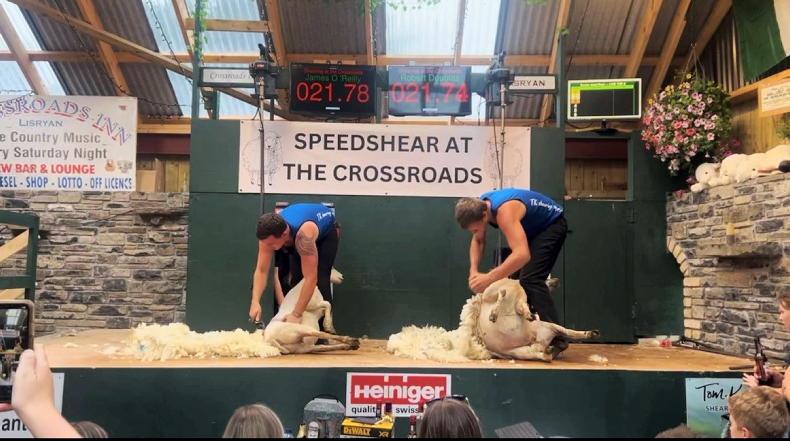
The UK Home Office has reversed changes to the visa application terms that had been set to scupper the plans of around 75 full-time sheep shearers travelling to Britain for the summer shearing season.
Last week saw the Home Office announce a “temporary visa concession” that is to allow these shearers to travel for work as they had previously.
The shearers are capable of shearing upwards over 20,000 ewes each over the summer season, meaning that the 75 of them could cover a combined 1.5m UK ewes in a season.
Concerns had been raised by British Wool, the UK’s National Sheep Association and MPs in Westminster that these shearers were to be denied entry to the UK for work this summer.
The barrier was a new requirement for the visas these workers fell under that would have required them to produce a paper qualification outlining their level of skill.
However, despite the shearers being full-time year-round operators, most had no body to turn to in their country of origin to certify their trade.
While the issue has been averted for summer 2026, the Home Office maintains that the proposed visa changes will proceed next year.
“That was going to be a real animal welfare problem for shearers across the country so its good news that they have changed their mind,” the chair of Westminster’s agriculture committee Alistair Carmichael MP said in reacting to the u-turn.
“What is not so good is that they say they are going to do the same again next year.
“Obviously, they just do not understand how this industry works.
“They just don’t understand that these people come here to work. They come to work for a relatively short period of time and then they move on to somewhere else in the world where there are more sheep to be shorn.”
The fears that had been raised with shearer capacity led to the National Sheep Association issuing a particular warning of the impact the delayed or skipped shearing could have on hoggets, which it saw as the cohort farmers would see as lowest priority for shearing if shearer availability was curtailed.
The body warned that sub-optimal shearing would increase the risk of maggots, reduce liveweight gain and hit animal welfare.


SHARING OPTIONS