


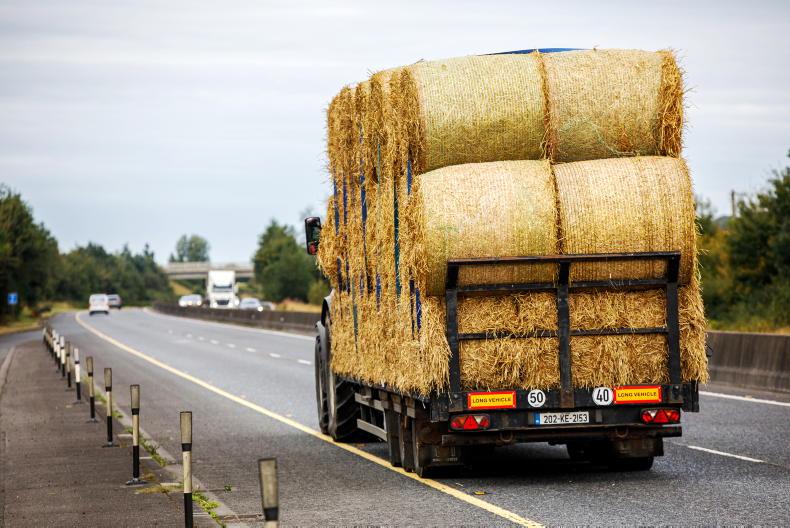
Farmers are having to dig deep to fill their straw shed this year. Reports of four-foot round bales making £20 ex-farm is a serious cause for concern for those without a combine.
Furthermore, the quality of the straw in the sheds will be poor. I know of farmers who have enough straw to see them into the New Year, but who will need to buy more. This means prices are likely to stay firm. Burning of straw for renewable energy is not helping the situation.
Farmers will be considering other options to remove straw price volatility impacting on their business. Out-wintering will reduce straw, but with wet winters many farmers are not able to keep cattle out all year round.
At current straw prices putting in a slatted court looks much more affordable with shorter payback times; but to any business, £1,200 a square metre plus the price of a tank is an eye-watering figure, and you need the land to spread the slurry.
But you do get better utilisation of the nitrogen, which will take your fertilizer bill down. Reducing organic matter in arable fields and compaction issues is putting pressure on farmers to chop straw to improve soil health.
Added to this, renewable heat incentives are helping more straw to come out of the livestock shed and into the burner.
This means that straw could be in demand for years ahead, and slats may need serious consideration for those building a cattle herd for future generations.
However, before farmers make such a serious investment in their businesses we need better clarity from the Government on its attitude to slats and cow welfare.
The welfare code for cattle states: “You should not use fully-slatted concrete floors for breeding cows or replacement heifers.” The code recommends cattle have access to a solid floor area.
It is important to note that this is a “should”, as opposed to a “must” – so a recommendation, as opposed to a rule.
Nevertheless, many first-rate farmers with high welfare cattle are running systems against the spirit of the welfare code.
The Scottish Government has stated that they would not take action to ban cattle on slats and should the code – which is Westminster derived –be altered, this could supersede recommendations in Scotland.
Nevertheless, when farmers are looking to spend hundreds of thousands of pounds on new sheds, they need absolute clarity of the rules.
Otherwise they could put up facilities that could land them in hot water further down the line.
As we build our national herd, we need clarity on what housing is acceptable, so that life-changing sums of can be invested with maximum confidence.
Only import during cool low-bluetongue-risk periods
There should be no cattle coming into the country from bluetongue areas during peak midge season if we cannot successfully enforce pre-movement testing.
Pre-movement testing is not within our jurisdiction, so we struggle to make it 100% water tight. Plus, post-movement testing is too late for diseases like bluetongue, which might already have entered our resident midge population.
So to prevent exposing the national herd to this disease, cattle and sheep should only be allowed in during cooler months, when midge activity is less.
It was 20°C in London this week, which is warm enough for the disease to spread. Taking animals into the country after the New Year would be a safer option for everyone, if we cannot ensure pre-movement testing is completed to our standards.



SHARING OPTIONS