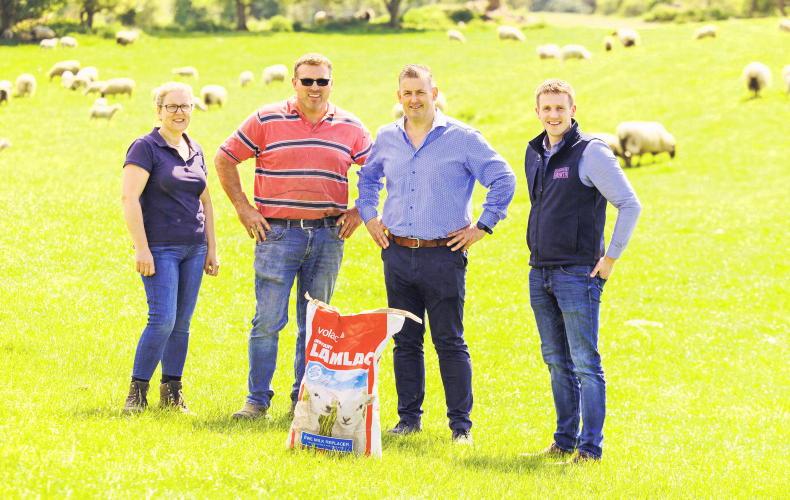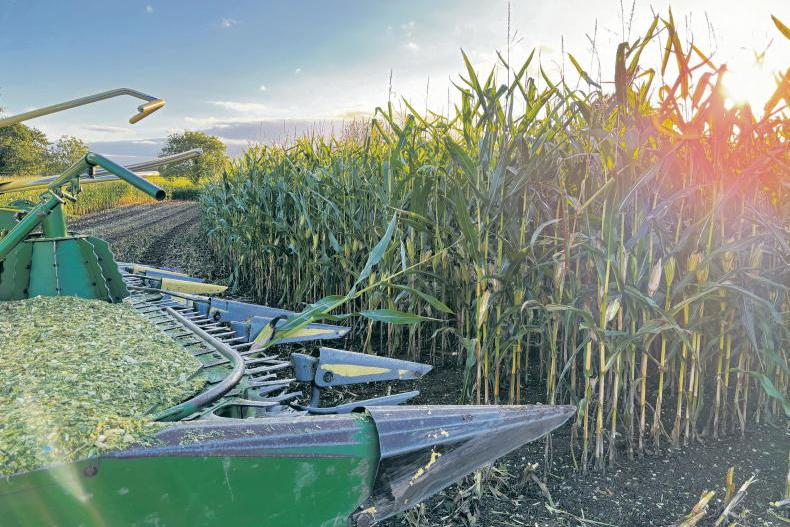
According to Volac technical business manager, Ken Stroud, adding maize silage to grass silage in dairy cow rations can provide a substantial boost to milk yields, provided that the maize silage is of good quality and has been preserved well.
In addition, doing a good job of preserving maize is particularly important if using the maize silage to bolster disappointing grass silage quality or low grass silage stocks, he adds.
“Start by understanding what is at stake, nutritionally, if maize is not harvested in a timely manner,” says Ken,”and by understanding the potential losses that can occur if maize silage is not preserved properly in the clamp.

Although it might be tempting to harvest maize closer to the ground if wanting extra yield, the stem base is typically higher in microorganisms that can cause spoilage, Ken Stroud warns.
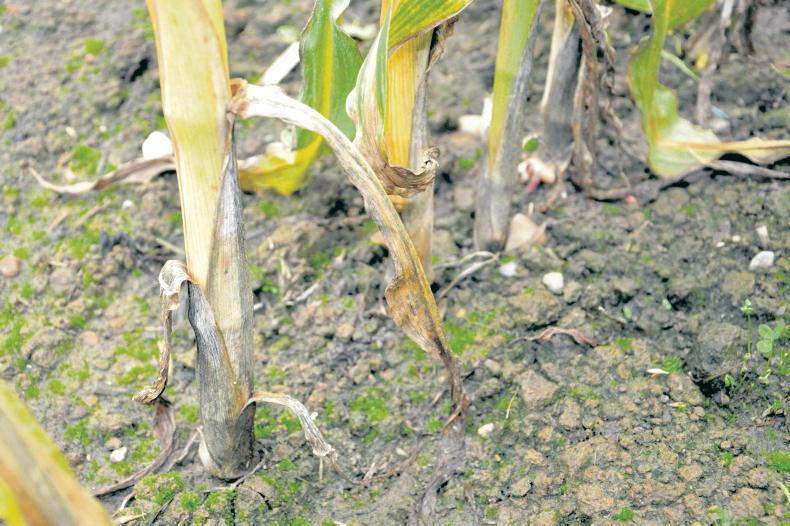
“Harvesting maize too early means cobs won’t contain enough starch and will be too wet. Harvest it too late, when the leaves are dying, and the feed value of dead maize foliage is like feeding straw.
“Additionally, maize suffers two types of in-clamp losses – obvious losses when the silage heats up, caused by yeasts and moulds growing in the presence of air, and hidden losses due to poor fermentation from inefficient fermentation bacteria. Typically, about 1 in every 10 trailer loads of maize DM ensiled is lost, but losses can reach double that if management is poor.
“Also, it’s important to understand that the unwanted microbes that cause losses feed preferentially on sugars and starches, so the remaining DM will be of lower feed quality where losses occur.”

Harvest correctly
To harvest maize at its nutritional peak, Ken says cobs should be ripe, leaves still green, and the whole crop should be at 30-33% DM.
“To check cob ripeness, select 10 representative cobs from the field,” he says. “Upper kernels should have a soft cheese texture, while a thumbnail should leave no indentation in kernels at the cob base, and the milk line in kernels halfway down cobs where the milky liquid turns to solid starch should be one-half yellow starch.
“Also, although it might be tempting to cut lower if looking for extra yield this year, avoid cutting maize any closer to the ground than 15cm. The stem base typically contains more spoilage microorganisms and has poor nutritional value.
“Similarly, maize should be chopped short enough to aid consolidation; for example consider 1.5-2.0cm or 1.2cm if needed, depending on the percentage DM. And certainly do not overlook the potential benefits that can be achieved by preserving maize with a quality silage inoculant.
“The dual-acting inoculant Ecocool has been shown in trials to keep silage cool and stable on exposure to air for more than 10 days, and has also been proven to cut DM losses associated with heating and those associated with inefficient fermentation.
"It’s also been shown to significantly limit the accumulation of mycotoxins on maize after ensiling when exposed to air, provided these mycotoxins are not already present at harvest.”
Also important for minimising maize losses, says Ken, is to follow best practice when filling, consolidating and sealing the clamp.
“Ensure clamps are clean and free from old silage that harbours mould spores, and that machines aren’t introducing soil or slurry on their tyres,” says Ken.
“Keeping air out of silage is also important to reduce yeast and moulds and for fermentation. So line clamp walls with polythene and don’t skimp on consolidation.
Horizontal layers
“Typically, maize at 30% DM needs 25% of its weight arriving at the clamp per hour for consolidation.
“So 100 tonnes per hour requires 25 tonnes, which is two machines rolling constantly. Filling in horizontal layers no more than 10–15cm deep also aids consolidation versus filling in a wedge shape.
“Once consolidated, place an oxygen barrier film on top to seal the maize surface, and fold side sheets over this all around, before adding a fully-weighted polythene top sheet then a woven sheet. Use netting to prevent bird damage, and ensure rodents aren’t a problem,” Ken concludes.
For more information click here

According to Volac technical business manager, Ken Stroud, adding maize silage to grass silage in dairy cow rations can provide a substantial boost to milk yields, provided that the maize silage is of good quality and has been preserved well.
In addition, doing a good job of preserving maize is particularly important if using the maize silage to bolster disappointing grass silage quality or low grass silage stocks, he adds.
“Start by understanding what is at stake, nutritionally, if maize is not harvested in a timely manner,” says Ken,”and by understanding the potential losses that can occur if maize silage is not preserved properly in the clamp.

Although it might be tempting to harvest maize closer to the ground if wanting extra yield, the stem base is typically higher in microorganisms that can cause spoilage, Ken Stroud warns.
“Harvesting maize too early means cobs won’t contain enough starch and will be too wet. Harvest it too late, when the leaves are dying, and the feed value of dead maize foliage is like feeding straw.
“Additionally, maize suffers two types of in-clamp losses – obvious losses when the silage heats up, caused by yeasts and moulds growing in the presence of air, and hidden losses due to poor fermentation from inefficient fermentation bacteria. Typically, about 1 in every 10 trailer loads of maize DM ensiled is lost, but losses can reach double that if management is poor.
“Also, it’s important to understand that the unwanted microbes that cause losses feed preferentially on sugars and starches, so the remaining DM will be of lower feed quality where losses occur.”

Harvest correctly
To harvest maize at its nutritional peak, Ken says cobs should be ripe, leaves still green, and the whole crop should be at 30-33% DM.
“To check cob ripeness, select 10 representative cobs from the field,” he says. “Upper kernels should have a soft cheese texture, while a thumbnail should leave no indentation in kernels at the cob base, and the milk line in kernels halfway down cobs where the milky liquid turns to solid starch should be one-half yellow starch.
“Also, although it might be tempting to cut lower if looking for extra yield this year, avoid cutting maize any closer to the ground than 15cm. The stem base typically contains more spoilage microorganisms and has poor nutritional value.
“Similarly, maize should be chopped short enough to aid consolidation; for example consider 1.5-2.0cm or 1.2cm if needed, depending on the percentage DM. And certainly do not overlook the potential benefits that can be achieved by preserving maize with a quality silage inoculant.
“The dual-acting inoculant Ecocool has been shown in trials to keep silage cool and stable on exposure to air for more than 10 days, and has also been proven to cut DM losses associated with heating and those associated with inefficient fermentation.
"It’s also been shown to significantly limit the accumulation of mycotoxins on maize after ensiling when exposed to air, provided these mycotoxins are not already present at harvest.”
Also important for minimising maize losses, says Ken, is to follow best practice when filling, consolidating and sealing the clamp.
“Ensure clamps are clean and free from old silage that harbours mould spores, and that machines aren’t introducing soil or slurry on their tyres,” says Ken.
“Keeping air out of silage is also important to reduce yeast and moulds and for fermentation. So line clamp walls with polythene and don’t skimp on consolidation.
Horizontal layers
“Typically, maize at 30% DM needs 25% of its weight arriving at the clamp per hour for consolidation.
“So 100 tonnes per hour requires 25 tonnes, which is two machines rolling constantly. Filling in horizontal layers no more than 10–15cm deep also aids consolidation versus filling in a wedge shape.
“Once consolidated, place an oxygen barrier film on top to seal the maize surface, and fold side sheets over this all around, before adding a fully-weighted polythene top sheet then a woven sheet. Use netting to prevent bird damage, and ensure rodents aren’t a problem,” Ken concludes.
For more information click here
SHARING OPTIONS